Human trafficking in the U.S. may exceed a million people, but solid numbers are hard to come by due to multiple, non-standard data collection efforts. The Bureau of Justice Statistics says its data “are unable to produce estimates for the prevalence of human trafficking,” and the U.S. Department of Transportation says it can’t identify the mode of travel for victims in 54% of such cases.
Travel on a train or bus generally requires little more than a ticket. “Unlike moving people great distances through an airport, there aren't checkpoints along the way where you're going to be scrutinized,” said Commuter Rail Coalition CEO KellyAne Gallagher.
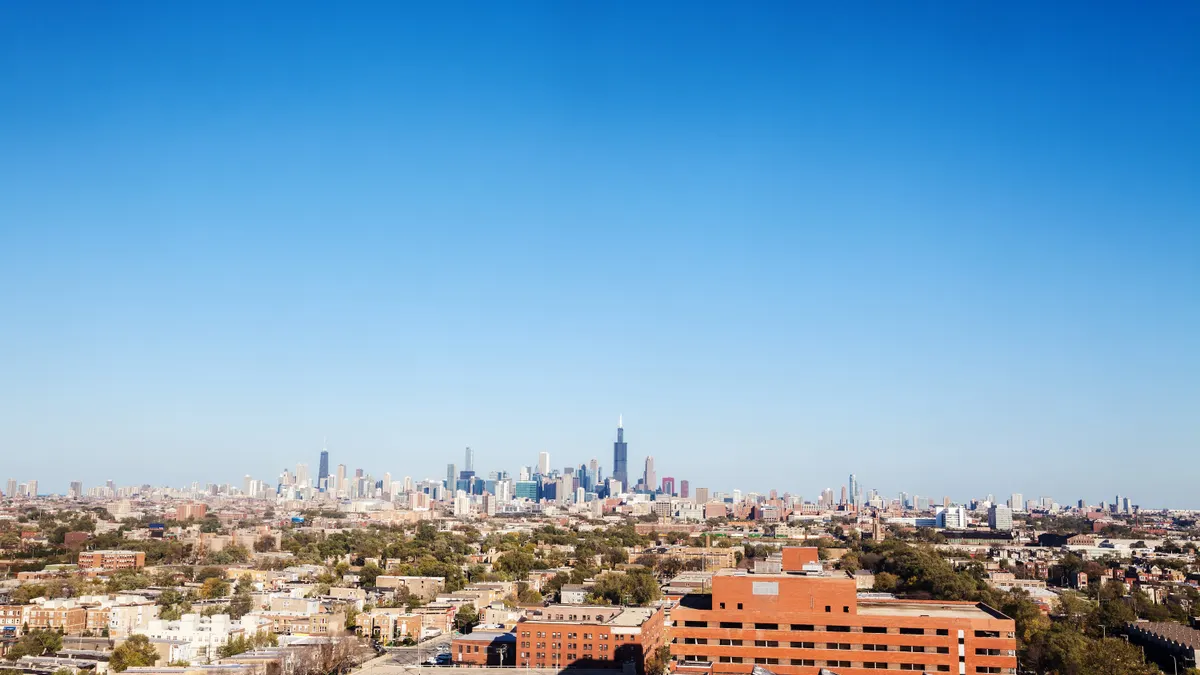
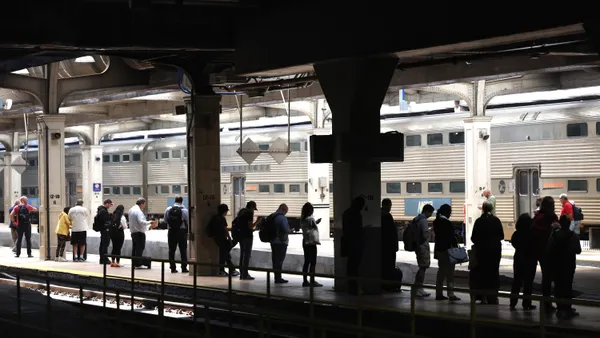
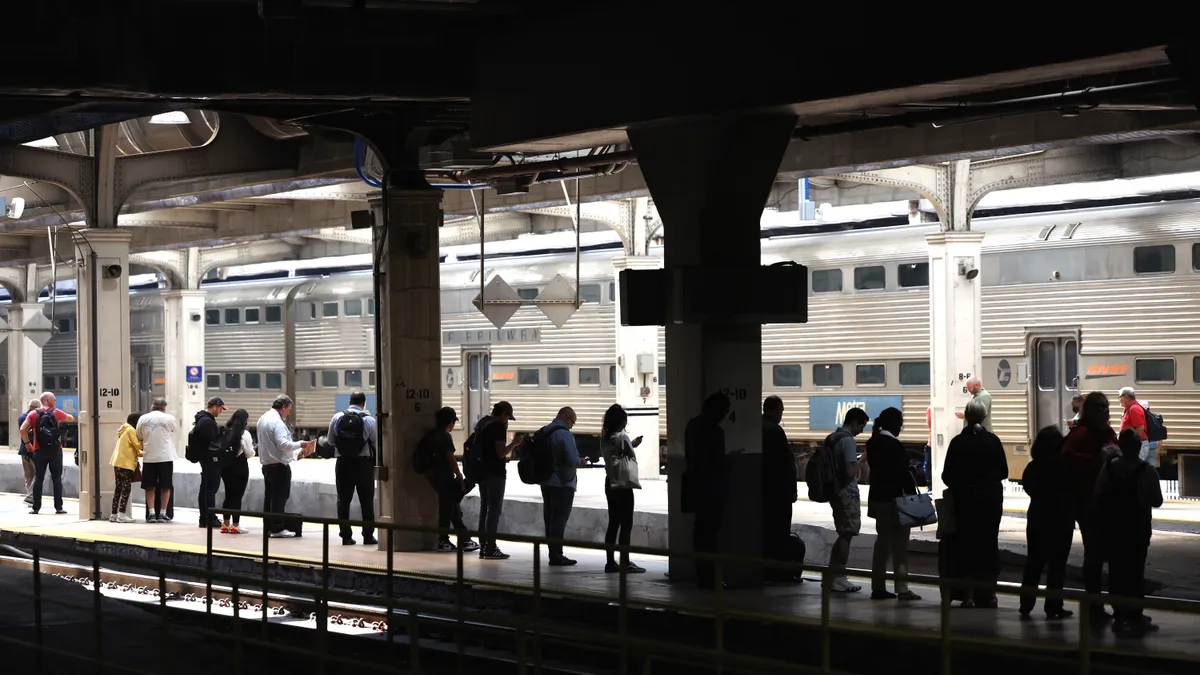
The Chicago region’s commuter railroad, Metra, held a human trafficking educational conference in April. It grew out of the railroad’s efforts to train frontline employees, such as conductors and station personnel, to recognize signs of trafficking.
“People use public transportation to traffic individuals,” said Metra CEO James Derwinski. “The more we get that message out to our forward-facing employees, the greater the possibility of saving the victim.” Efforts include training videos and signage on trains and at stations. Derwinski said Metra is also “asking the passengers to participate” in identifying and reporting suspected trafficking.
Men are often trafficked into forced labor, while women and girls may become victims of sexual exploitation, according to the DOT. A common trafficking situation on a train “may be two or three girls sitting with an older male adult,” Derwinski said. The adult holds all their tickets while the children keep their heads down, have no smartphones and don’t speak, he explained.
Rail employees and passengers are warned not to intervene directly, Derwinksi said, but to alert law enforcement officials who can board the train at an upcoming stop. Metra has two officers assigned to human trafficking duties, who meet regularly with local police.
Derwinski brought Metra’s training to the rail coalition in November. “It opened people's eyes,” Gallagher said. The Metra CEO said he wants to expand the effort and has offered the training materials to other transit agencies.
While Amtrak says “there is no evidence” that traffickers are using its trains, its police department provides educational materials for its employees and posts videos about trafficking on its website. Independent studies indicate that traffickers may use Amtrak at some stage of the process.
In California, 29% of people who were trafficked used buses as a mode of transportation, according to a 2022 research paper published in Transportation Research Interdisciplinary Perspectives. One respondent explained that “after an online chat the trafficker will send a bus ticket for the soon to be victim to come visit.”
The American Bus Association says it helps educate bus companies on suspicious activities to look for. Traffickers often use bus terminals and bus stops as recruiting areas, the ABA says.
Greyhound says on its website that it provides free rides for 12- to 21-year-olds who meet certain criteria, “helping reduce long-term risks of homelessness, trafficking, and violence.” The ABA partners with Truckers Against Trafficking, a nonprofit that provides training to commercial drivers. TAT says it has trained nearly 200,000 members of the bus industry to recognize and report suspected human trafficking.