Opinion
The latest opinion pieces by industry thought leaders
If you are interested in having your voice heard on Smart Cities Dive's Opinion page, please read our editorial guidelines and fill out the submission form here.
-
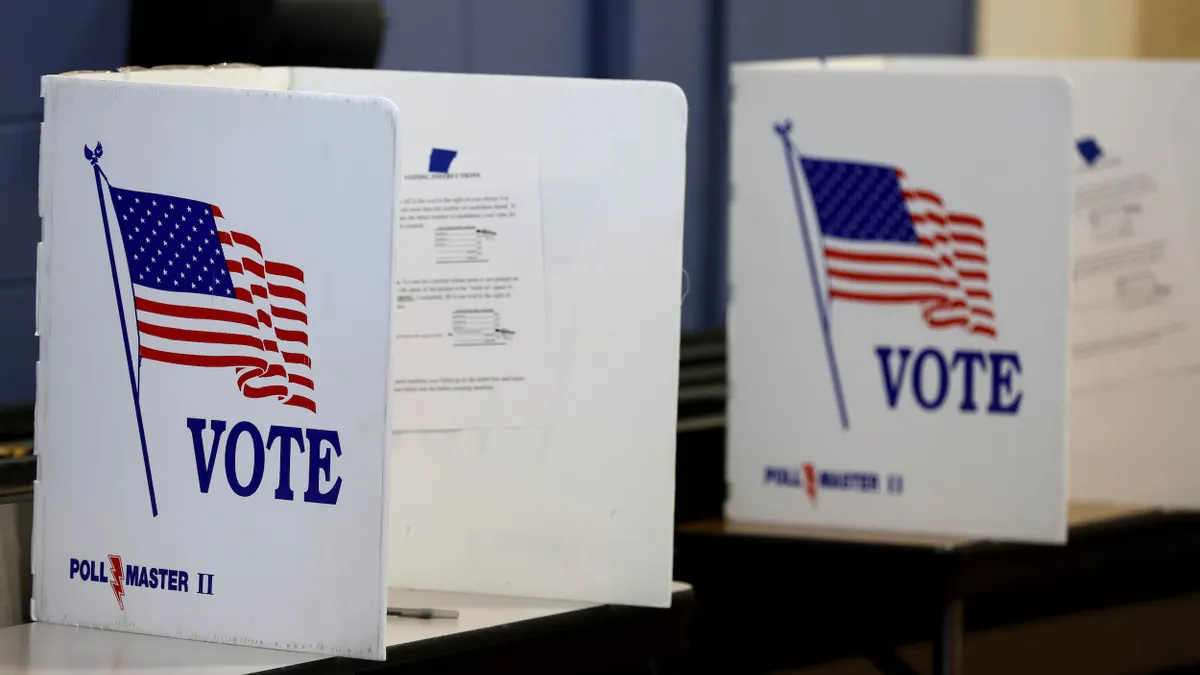
 CJ Gunther via Getty Images
Put communities before political parties
Elected officials must be willing to acknowledge and confront entrenched interests, political party pressure and cumbersome rules if they want to deliver on their promises.
Ebonni Chrispin • Oct. 8, 2026 -
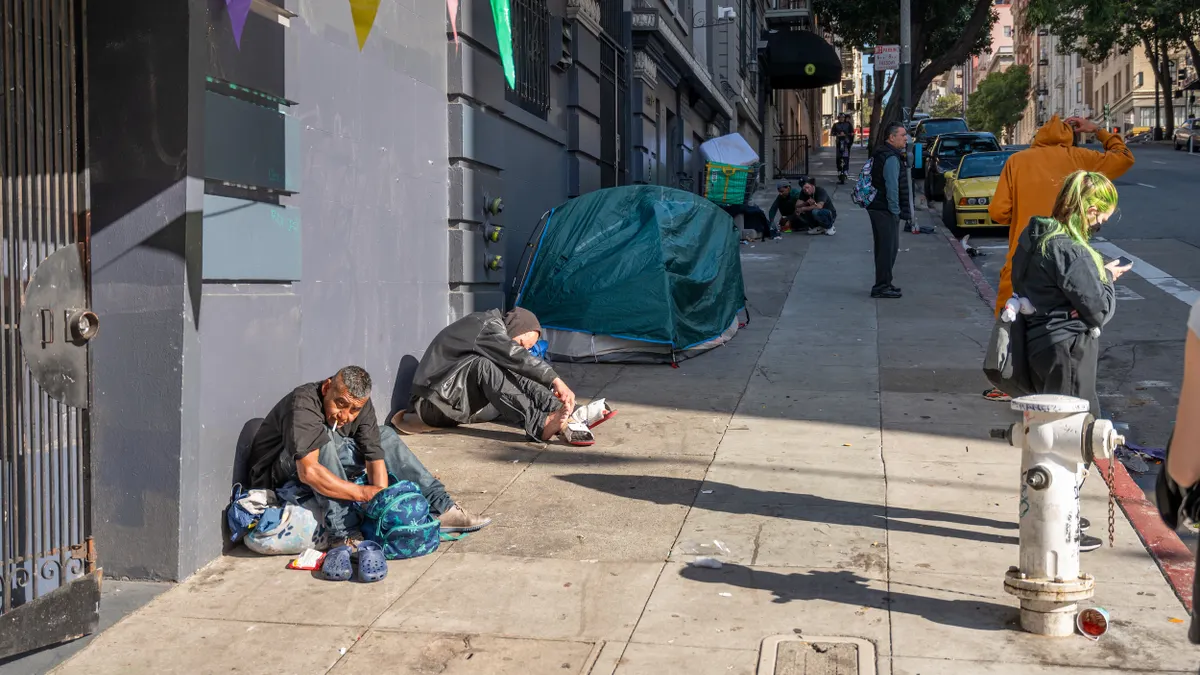 Getty Images
It’s time to demand results from homelessness services
Outdated models and undertrained workers will not solve the problem.
Lena Miller • Oct. 6, 2026 -
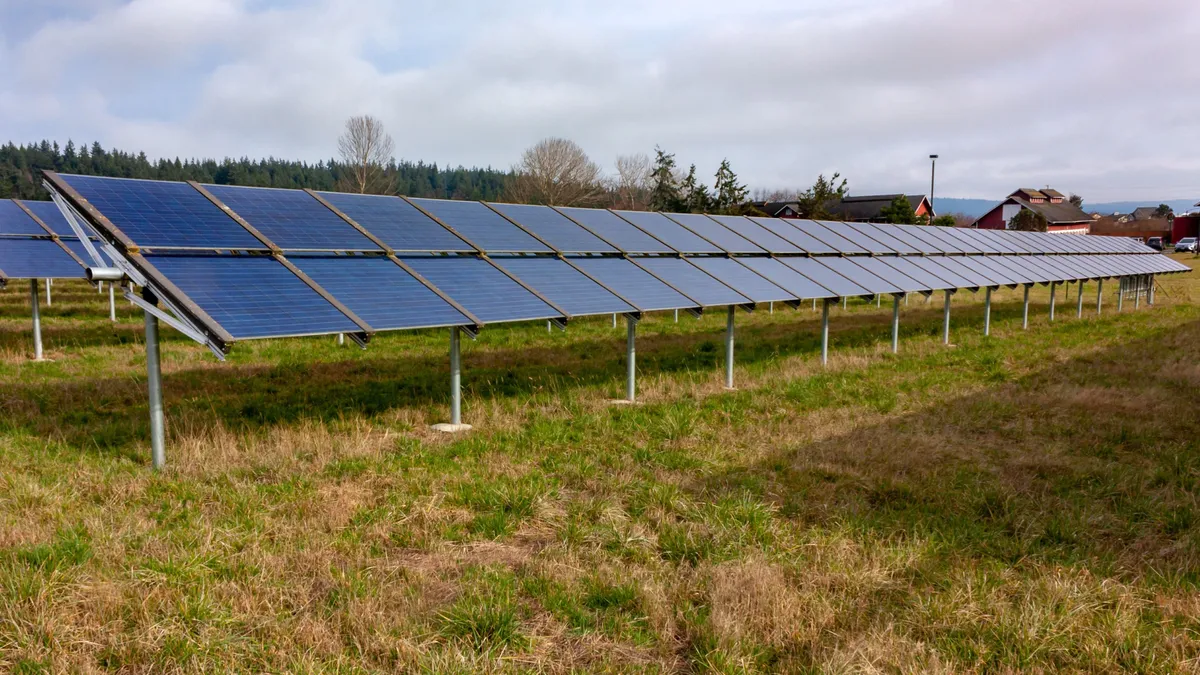 Getty Images
On clean energy, bigger is not always better
When Congress revisits clean-energy tax policy, lawmakers should restore incentives for locally driven solar and storage projects, writes Edward Yim at Lawyers for Good Government.
Edward Yim • Sept. 25, 2026 -
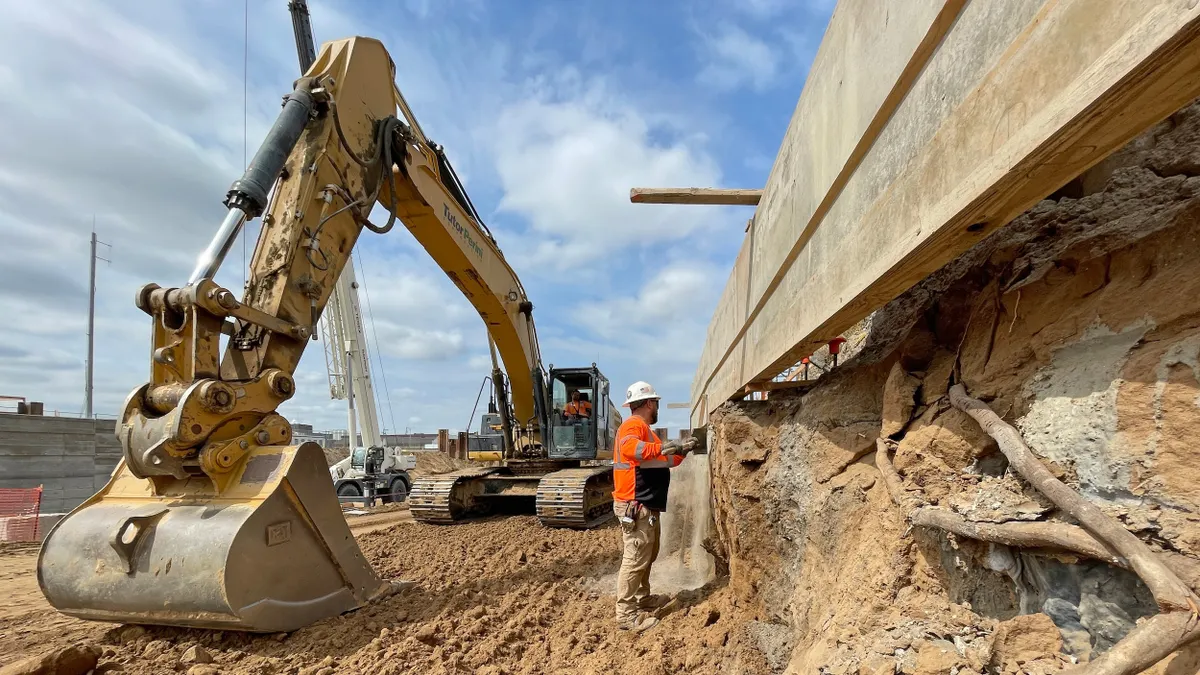 Courtesy of California High-Speed Rail Authority
Why the U.S. can’t build high-speed rail — and how to change that
A national railroad infrastructure bank could bring federal, state and private-sector interests together to build and operate HSR corridors, a Commuter Rail Coalition board member writes.
Jonathan McDonald • Sept. 17, 2026 -
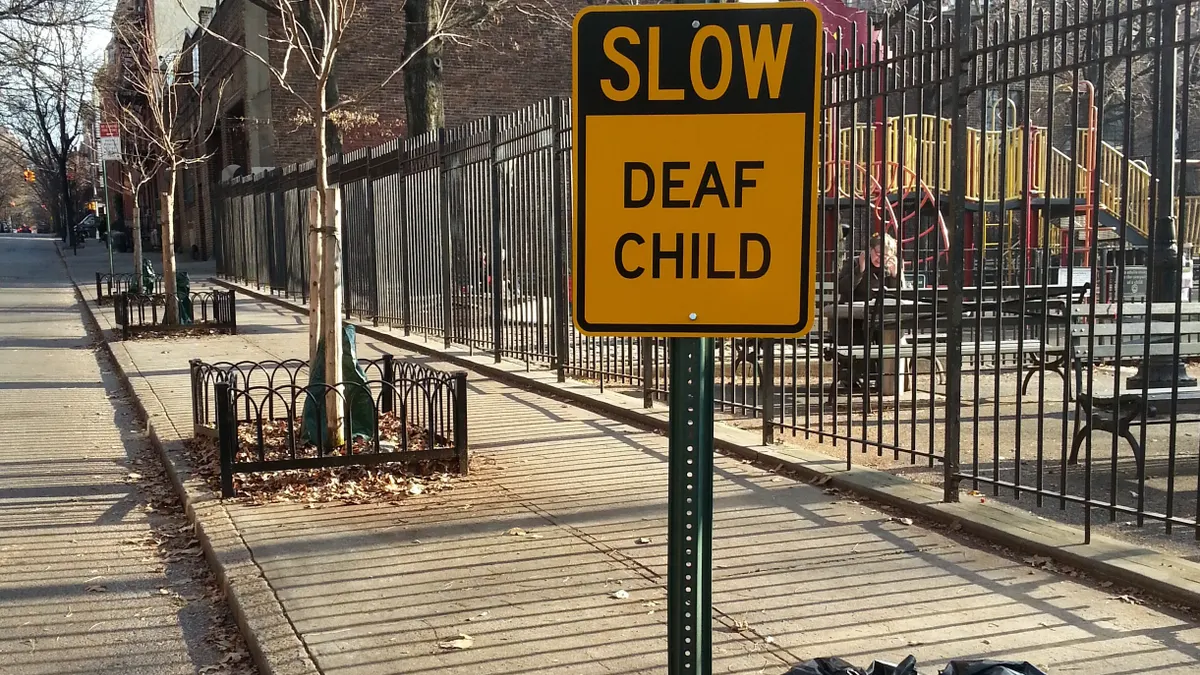
For accessibility, the ADA set the foundation. Here’s how cities can aim higher.
Let's move beyond minimum standards so deaf and hard-of-hearing residents don't have to rely on context clues and other people during emergencies.
Jessica Aiello • Sept. 8, 2026 -
 Getty Images
Fire response is infrastructure. Cities should treat it that way.
Aging fleets and increasingly demanding fire conditions require cities to rethink how they support the technology behind emergency response.
Kirk McKinzie • Aug. 14, 2026 -
 Permission granted by Wichita State University
Cities need a new workforce strategy. Universities should be part of it.
Local governments facing labor shortages can build stronger talent pipelines and improve public services through deeper partnerships with higher education, a criminal justice professor says.
Michael Birzer • Aug. 7, 2026 -
 Adam Gray via Getty Images
The World Cup was a transportation stress test. Cities got an A-plus.
Digital transportation infrastructure pilots became real — and helped move millions of people around host cities. Policymakers should build on that momentum.
Rachel McCleery • July 21, 2026 -
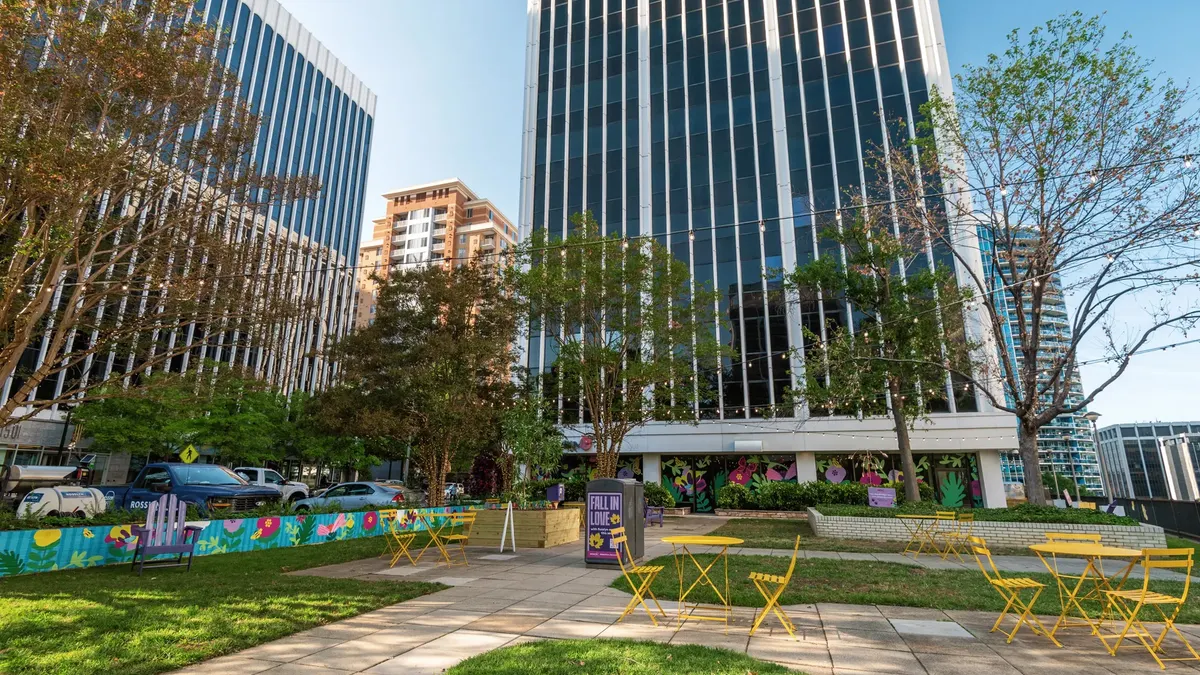 Retrieved from Rosslyn BID.
With temporary third spaces, make land that’s vacant today vibrant tomorrow
When redevelopment slowed in Arlington, Virginia, a vacant building's terrace became a pop-up park that could serve as a model for other cities.
Mary-Claire Burick and Kate Ange • July 17, 2026 -
 Permission granted by NYC Clean Soil Bank
Cities are throwing away millions. Soil banking offers a better way.
Local governments can cut costs, reduce emissions and build resilience by treating excavated soil as a resource.
Daniel Walsh • June 29, 2026 -
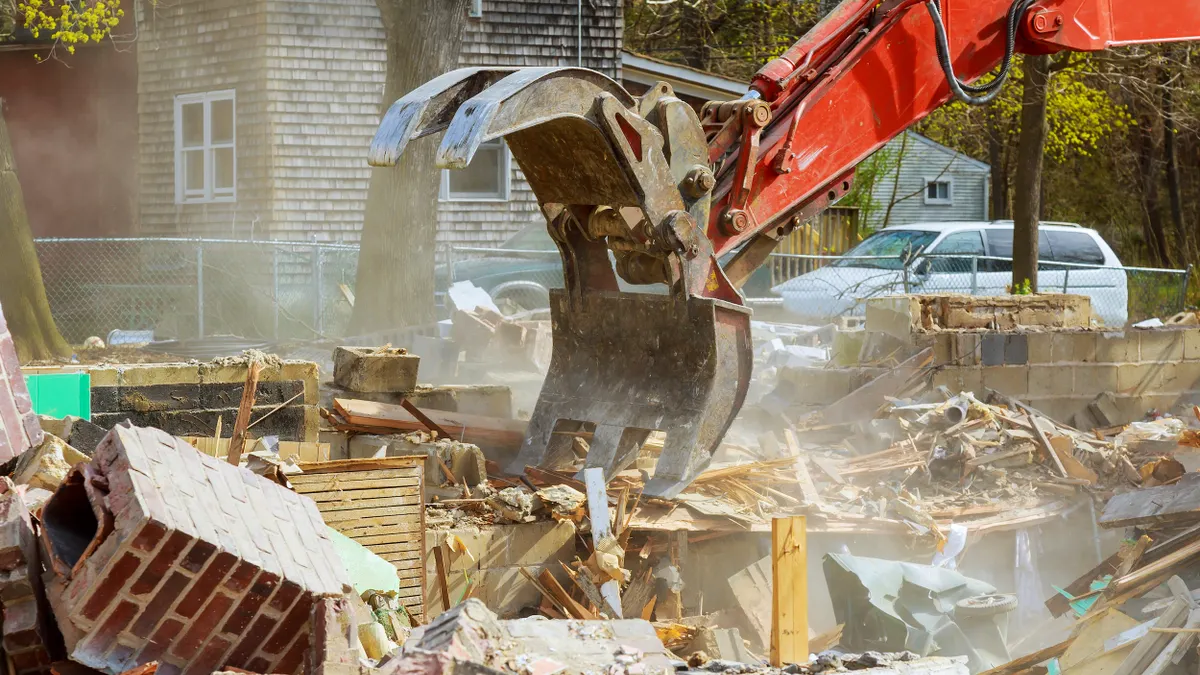 Getty Images
We can’t build our way out of the housing crisis while losing homes every day
The path forward is not just about adding supply. It is also about protecting it.
Michael T. Pugh • June 17, 2026 -
 Eric Lee via Getty Images
Federal money is still there. The rules for winning it have changed.
Priorities have shifted under the Trump administration, but billions in federal dollars are still available. Communities that adapt their messaging, align with new federal priorities and stay in the game can bring that money home.
Amanda Wood • June 8, 2026 -
 Derek White via Getty Images
Big events can transform cities. They can also break trust.
Ensuring residents fully understand the changes unfolding around them during events like the FIFA World Cup is imperative. Here are three tips for making that happen.
Zuri Tau • May 21, 2026 -
 Permission granted by OZ Architecture
Fire stations are more than facilities. They’re 50-year operational bets.
Outdated station design is driving up costs, slowing response and increasing long-term liability for cities. Local leaders need to rethink design frameworks to improve performance outcomes.
Eric Becker • May 14, 2026 -
 Spencer Platt via Getty Images
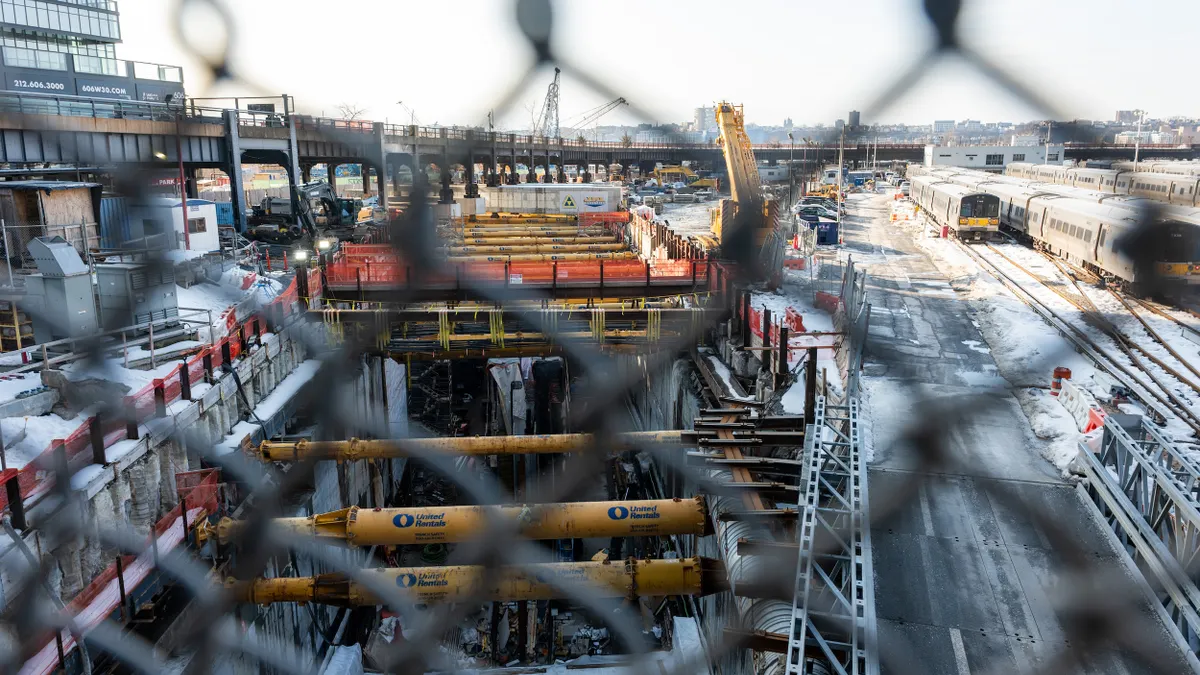
Governments should help finance infrastructure — not construct and run it
When delays and cost escalations carry no financial consequence, they become routine. To prevent this, project governance structures must align capital with performance.
Bob Hellman • May 7, 2026 -
 Mario Tama via Getty Images
Public buildings can power community resilience
Sustainability strategies are also the foundation of resilient design, which prepares public buildings to serve as lifelines when disaster strikes.
Jeff Kuhnhenn • May 4, 2026 -
 Getty Images
Stuck in traffic: How to get the urban mobility dream moving
Policy fragmentation, weak incentives and political hesitation are stalling the future of urban mobility. Here’s how cities can break the gridlock.
François-Joseph Van Audenhove, Mickael Tauvel, Arsene Ruhlman, Vadim Panarin and Philipp Seidel • April 20, 2026 -
 Courtesy of Recology
Why waste diversion pilots struggle to scale
The problem is rarely technology. It’s the upstream behavior inside homes and buildings.
Cam Anderson • April 14, 2026 -
 Getty Images
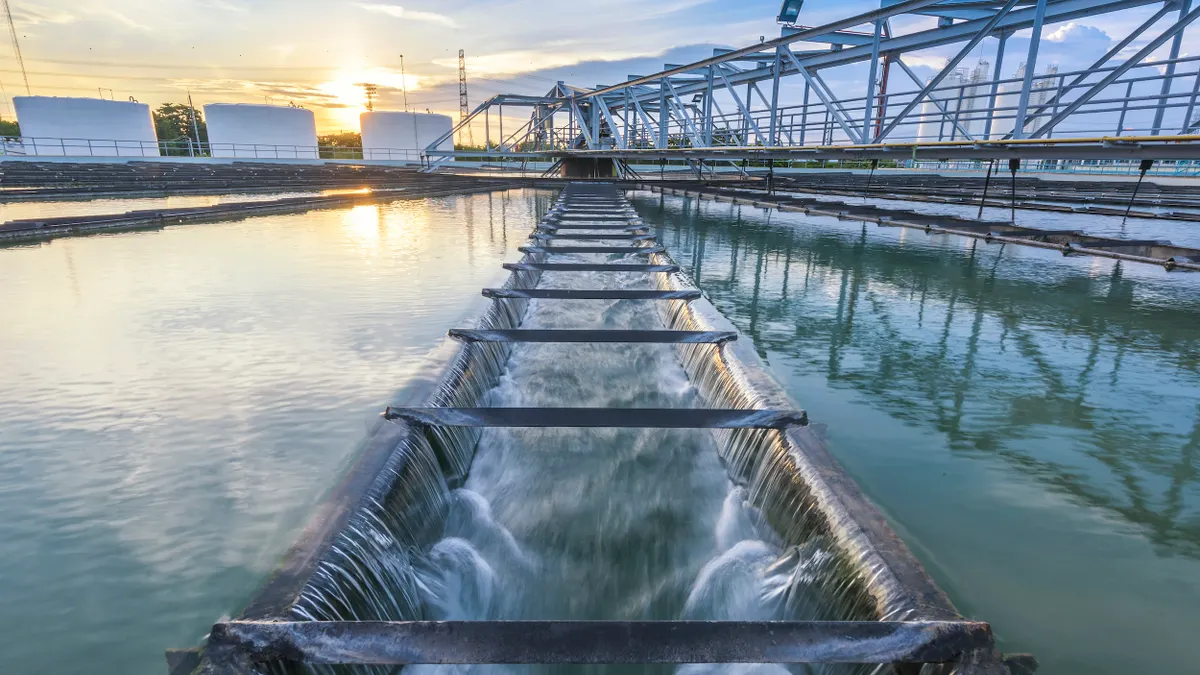
3 things cities can do to address the water crisis
Water infrastructure in the U.S. needs to be updated, and city leaders have a critical role to play.
Kevin Gast • April 1, 2026 -
 Permission granted by Dan Zukowski
Mega-events are coming. Cities are overlooking their most affordable transit fix.
As the U.S. prepares for the 2026 World Cup, America 250 and the 2028 Olympics, transportation systems will be pushed to their limits. Intercity buses offer scalable capacity at minimal public cost.
Kai Boysan • March 31, 2026 -
 Getty Images
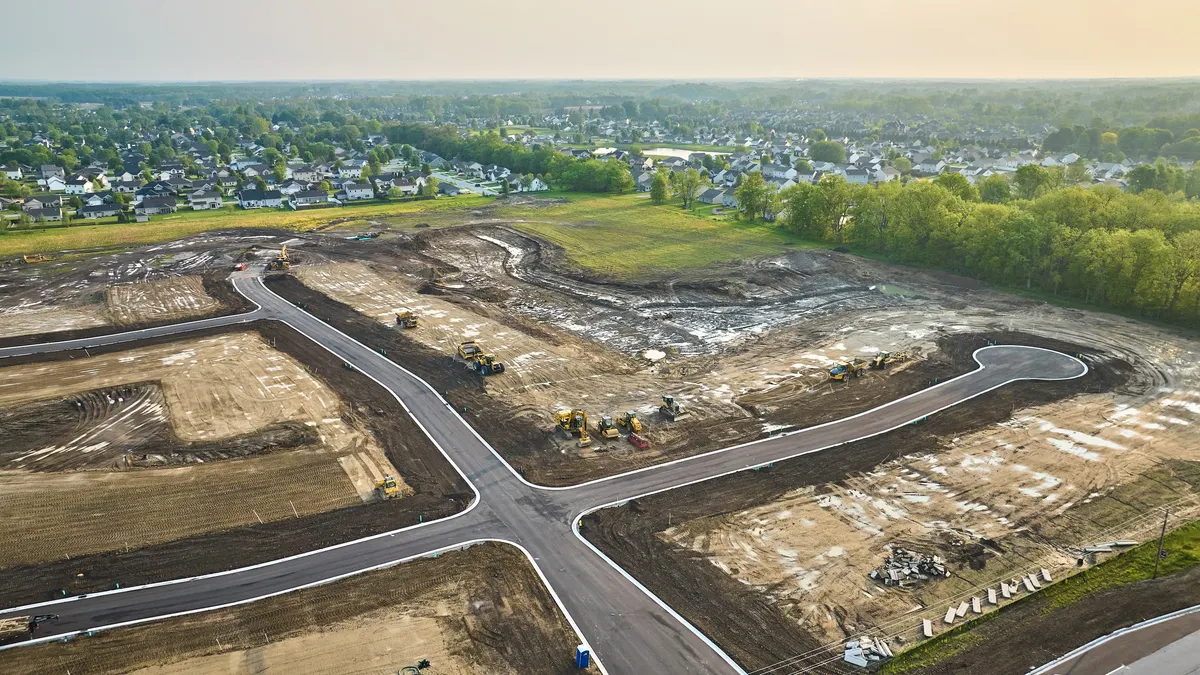
To make housing more affordable, invest in infrastructure
Homes need roads, water systems and power to serve them. A good start is renewing the federal surface transportation funding set to expire in September, writes a building materials executive.
Nathan Creech • March 23, 2026 -
 Permission granted by Crafton Tull
The path to building connected communities
Walkable, bikeable neighborhoods are an economic engine, a public health strategy and a blueprint for building resilient cities. Cities across the U.S. are proving they’re both achievable and scalable.
Dave Roberts, Julie Luther Kelso and Ryan Hale • March 12, 2026 -
 Getty Images
How a skills-first hiring strategy transforms organizational performance for local governments
The public sector can set a standard showing that capability matters more than pedigree and economic opportunity should be based on what a person can do, not just whether they have a college degree.
Blair Corcoran de Castillo and Bob Lavigna • Feb. 23, 2026 -
 Getty Images
As federal safety nets disappear, states and cities need rent control
With America’s rent crisis deepening, state and local leaders should use rent control to protect residents, preserve communities and stabilize the economy.
Tram Hoang • Jan. 9, 2026 -
 Getty Images
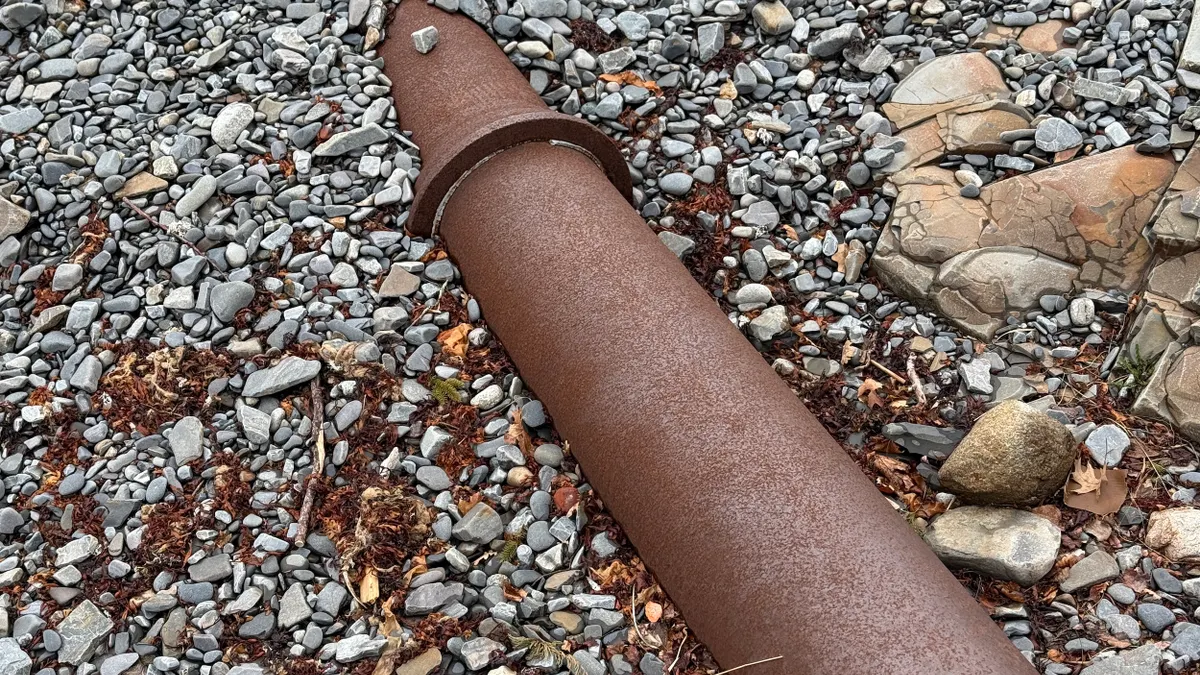
How cities are using AI to keep drinking water safe
An important federal deadline for identifying and replacing lead and copper service lines is less than two years away. New technology can help communities meet the LCRI mandates.
Ajay Sharma • Dec. 22, 2025