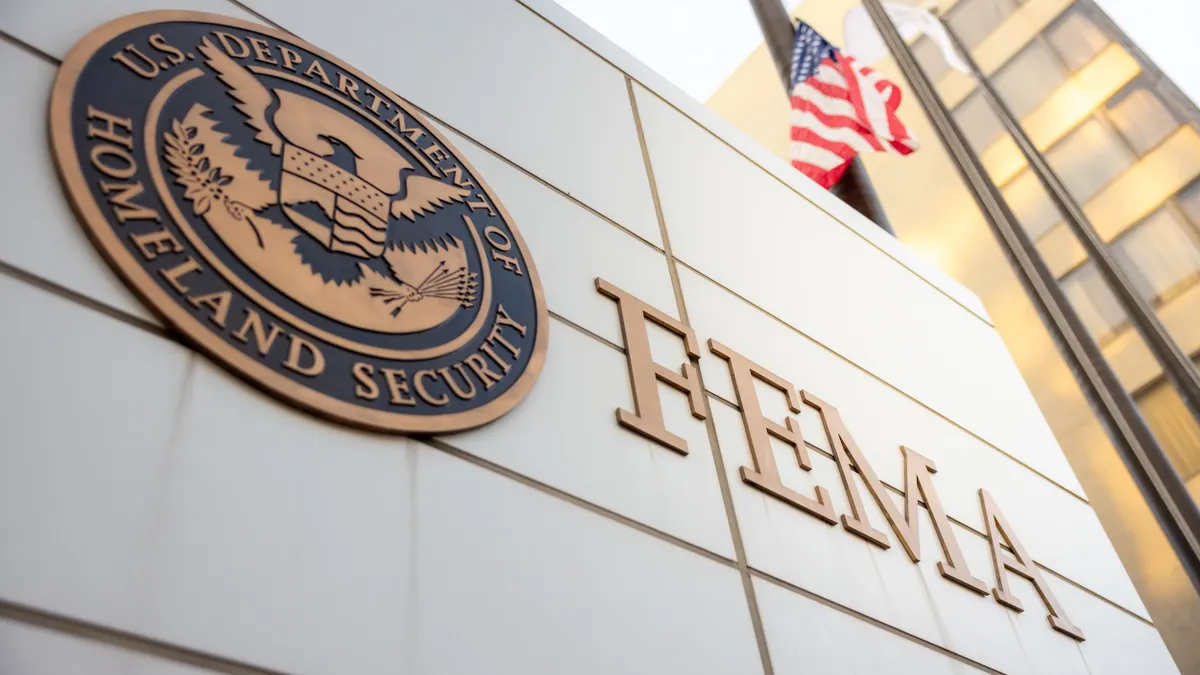
It’s been a tough year for state and local emergency managers who work with the Federal Emergency Management Agency.
Since President Donald Trump signed an executive order in March shifting more responsibility for disaster preparedness to state and local governments, his administration’s efforts to reshape FEMA — including staff cuts, canceled resilience programs, higher disaster thresholds and attempts to tie funding to immigration enforcement — have left the agency’s resources stretched thin and made federal support less predictable.
“At the core of all this reform is the uncertainty around the potential changes for FEMA,” Sara McTarnaghan, co-lead of the climate and communities practice area at the Urban Institute, told Smart Cities Dive in July. “The fact that states and localities don’t actually know what might happen if their governor submits a request for a presidential disaster declaration is a huge issue.”
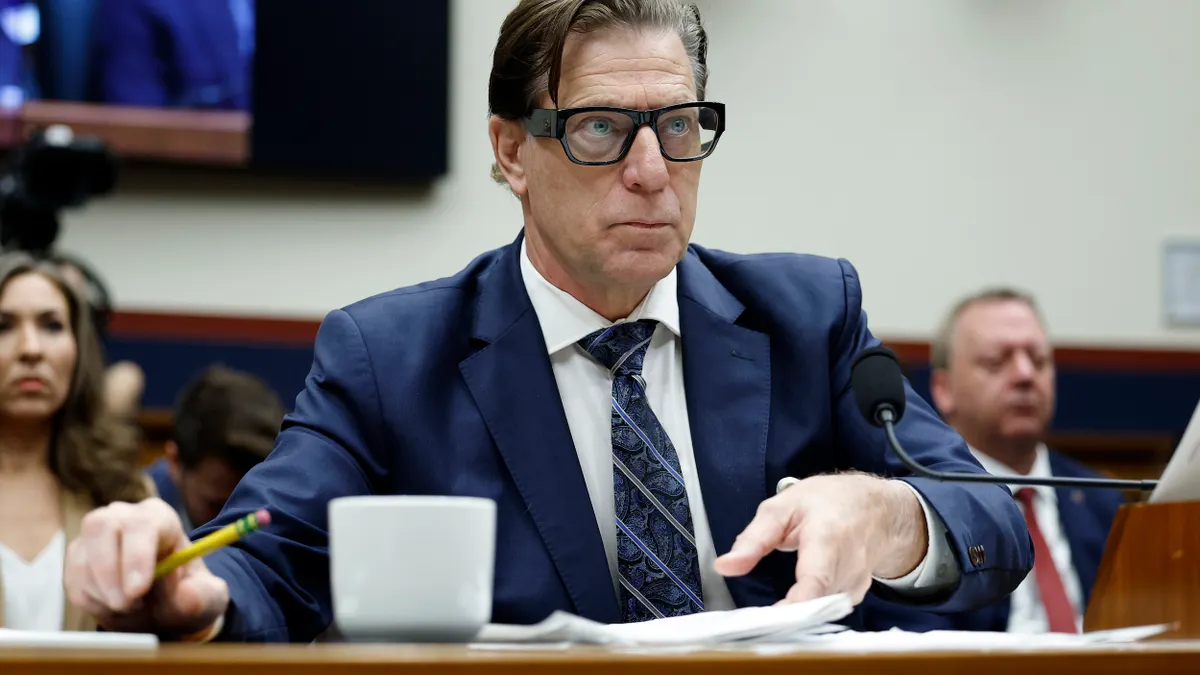
On Thursday, the emergency management community was expected to get some clarity, for better or worse. The Federal Emergency Management Review Council, which Trump established in January to advise him on FEMA’s ability to address disasters and recommend changes to how the agency operates, was scheduled to vote on a draft report with recommendations about FEMA’s future.
But minutes before it was to begin, that meeting was canceled without explanation. The report was not released, though CNN obtained a draft.
Tom Sivak, a former FEMA regional administrator, said the unexplained cancellation was “a frustrating disruptor for the local communities.”
“Agencies across the country had been waiting to see what onus or what responsibilities were going to be placed on the locals overall, and now no one knows what’s going to happen,” Sivak said.
“Another disaster facing our families and communities”
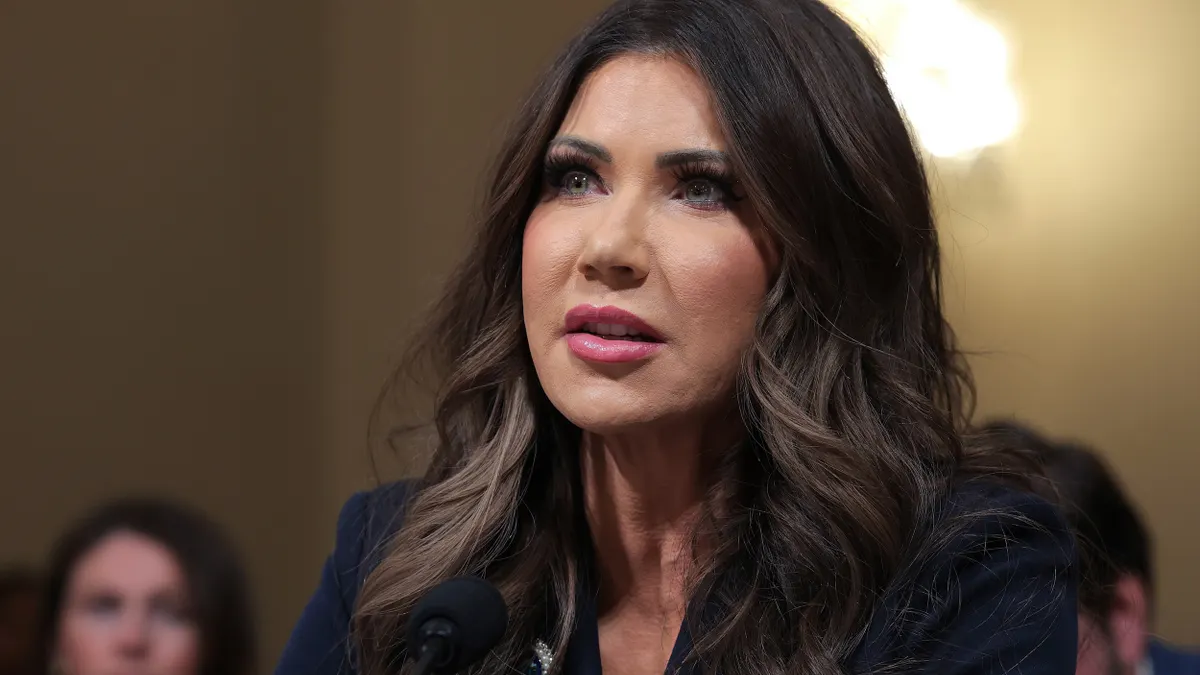
According to news reports ahead of the council report’s scheduled release, Homeland Security Secretary Kristi Noem’s office edited the document from 160 pages to roughly 20, cutting some of the original recommendations and adding others that would further reduce FEMA’s capacity and role in disaster preparation and recovery.
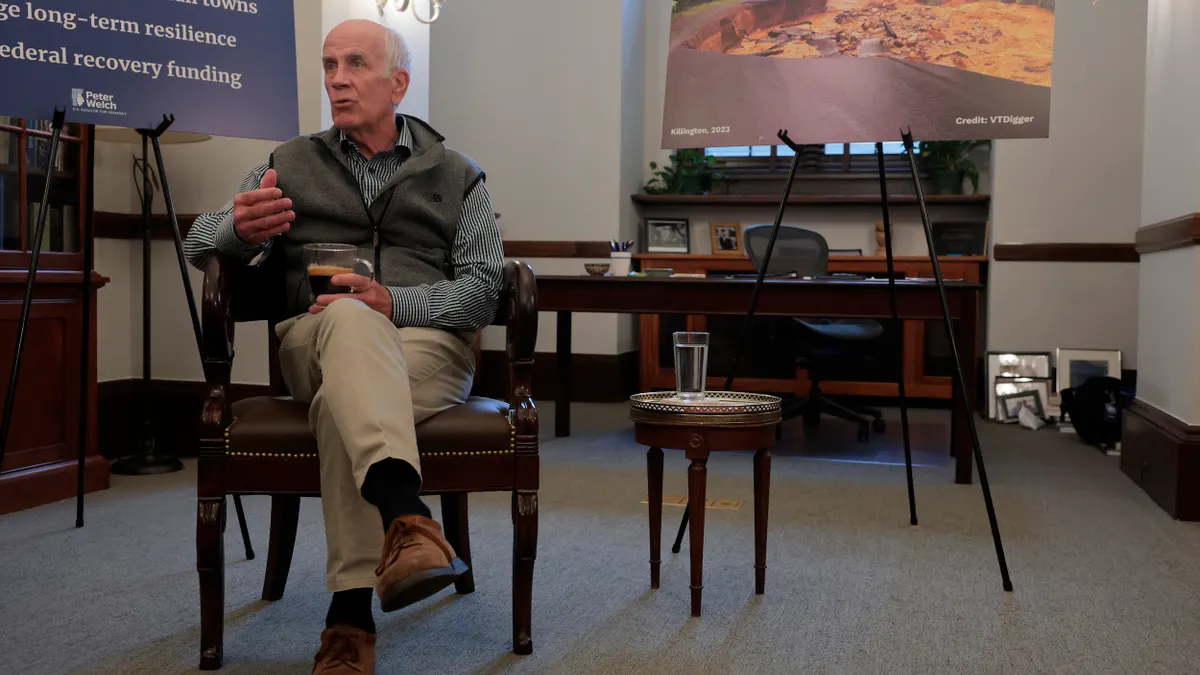
In a Dec. 10 letter to Noem that demanded the full report be released, Sen. Peter Welch, D-Vt., said members of the review council “have raised concerns about your decision to alter the report.” Welch, who has introduced legislation to improve FEMA, called for Noem to resign in July, citing her mismanagement of the agency.
Amanda Devecka-Rinear, senior fellow at Organizing Resilience, a delegation of disaster survivors, said in an emailed statement that the leaked report “is yet another disaster facing our families and communities.”
“ONLY the federal government has the resources necessary to support disaster prevention, relief, and recovery at the scale that survivors deserve,” Devecka-Rinear said. “We stand with emergency managers, federal, state and local officials, and disaster survivors who know what’s at stake. America needs a fully capable FEMA—not a weakened one.”
DHS did not respond to an inquiry about the meeting and the report.
“Caught up in legalities”
Also on Thursday, U.S. District Judge Richard Stearns ruled the Trump administration’s termination of Building Resilient Infrastructure and Communities, FEMA’s largest pre-disaster mitigation program, was unlawful.
DHS said in an emailed statement Thursday that it has not terminated BRIC.
Sivak, the former FEMA official, said Stearns’ ruling “is favorable for locals” but the implications remain unclear for emergency managers because “everything is just caught up in legalities.”
States have also sued FEMA in district courts in Oregon and Rhode Island over changes to the Emergency Management Performance Grant and the Homeland Security Grant Program.
Sivak does see hope in the FEMA Act, a bipartisan bill in the U.S. House that seeks to reform FEMA, modernize disaster assistance programs and change how aid is delivered to communities, which he said “continues to get a lot of wind behind its sails.”
He said emergency managers should also monitor “legislative engagement happening at the statewide level” and “advocate for ourselves internally to the people we serve and externally to the communities we serve.”
“The communities that we live in — that’s where true opportunities lie,” Sivak said. “Our mission is helping people before, during and after disasters. I believe that sits in every single facet of what emergency managers do, and it’s what matters most. So, the more we put the focus on people, the better. We can do better together than we can do apart.”
Correction: Tom Sivak's title was updated to regional administrator.