The utility billing department of Panama City, Florida, has cut some processing times by half and saved 25% on paper costs using an AI-driven payment platform, according to Charlotte Andrews, customer service manager for the department.
The utility billing department was using “an outdated payment-processing program that did not communicate with our utility software,” Andrews said. Because payments didn’t post right away, two to three workers had to spend three hours determining whether customers met their payment deadlines, she said.
Using the Generative AI Report Generator, a digital platform from electronic bill payment provider InvoiceCloud, one person can get the same work done in an hour, she said. The platform lets users instantly access specific data and create customized reports in real time using plain-language prompts. “Payments are now reflected on the accounts within one minute instead of two days,” Andrews said.
Because so many customers signed up for paperless billing, the department has reduced printing costs by 25%, she said. In addition, employees can now quickly see statistics to understand what services are most in demand. For example, if not many customers signed up for text messages, the utilities office could advertise it more, she said.
“Before AI, if we wanted to know how many customers made online payments using a card, we would have to run a report and manually add up the payments on a monthly basis,” Andrews said.
Steve Schult, chief product officer at InvoiceCloud, said the platform can analyze usage and adoption patterns. “Staff don’t have to go run reports, stitch data together. Ultimately for them, it becomes faster posting of payments, fewer errors, and it can be better insight into how residents actually interact,” he said.
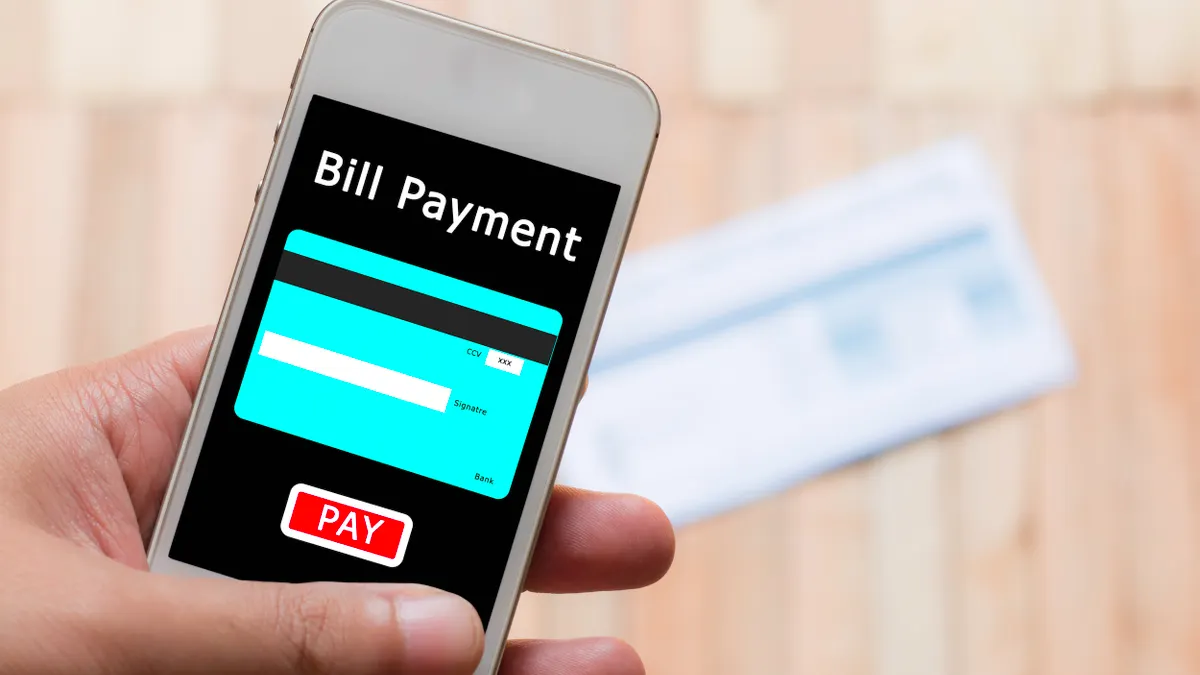
The platform also allows customers to view and print their bills electronically. Before, if someone wanted a copy, billing workers had to generate the copy, save it to their desktop and email it to the customer. Customers can also make deposit payments online and pay off more than one account at a time.
Andrews said before her department made the switch, customers “constantly requested we get with the times.” According to the U.S. Postal Service, 85% of households paid bills electronically in 2024, up from 73% in 2019.
Modernizing the payment processor “has really opened our eyes to how behind we were,” she said.