Mirroring a nationwide trend, crime rates in Providence, Rhode Island, are at historic lows. Last year, homicides dropped by 90% from 2024.
“That’s great progress,” Providence Mayor Brett Smiley told Smart Cities Dive during an interview at the U.S. Conference of Mayors meeting in Long Beach, California, earlier this month. “We should acknowledge that progress and look to see what lessons we can learn from it. But we also know that’s still not enough. We’re always working toward zero … because if you’re a parent who’s worried about their kid getting to school safely on the bus or you hear gunfire in the middle of the night, no crime statistic can convince you that things are better.”
While it’s important to share and celebrate the city’s progress in fighting crime, “the challenge for us is always to show that we’re still committed to doing better,” Smiley said.
Kansas City, Missouri, one of the top 10 large cities with the highest crime rate per 100,000 people, also saw substantial drops in some crime rates last year. Mayor Quinton Lucas isn’t shy about sharing the good news — but he’s aware that spouting statistics isn’t enough to erase long-held perceptions. “You can’t tell somebody that they’re a fool if they’re like, ‘No, I just think this place has a problem,’” he said in an interview during the conference.
Crime reduction is a story city leaders love to tell. But crime dashboards and statistics don’t automatically translate into feelings of safety, both mayors said. City leaders need to acknowledge residents’ experiences, make themselves visible in neighborhoods affected by crime, demonstrate they’re taking action and share evidence of progress without belittling people’s concerns, they said.
Be present in the community
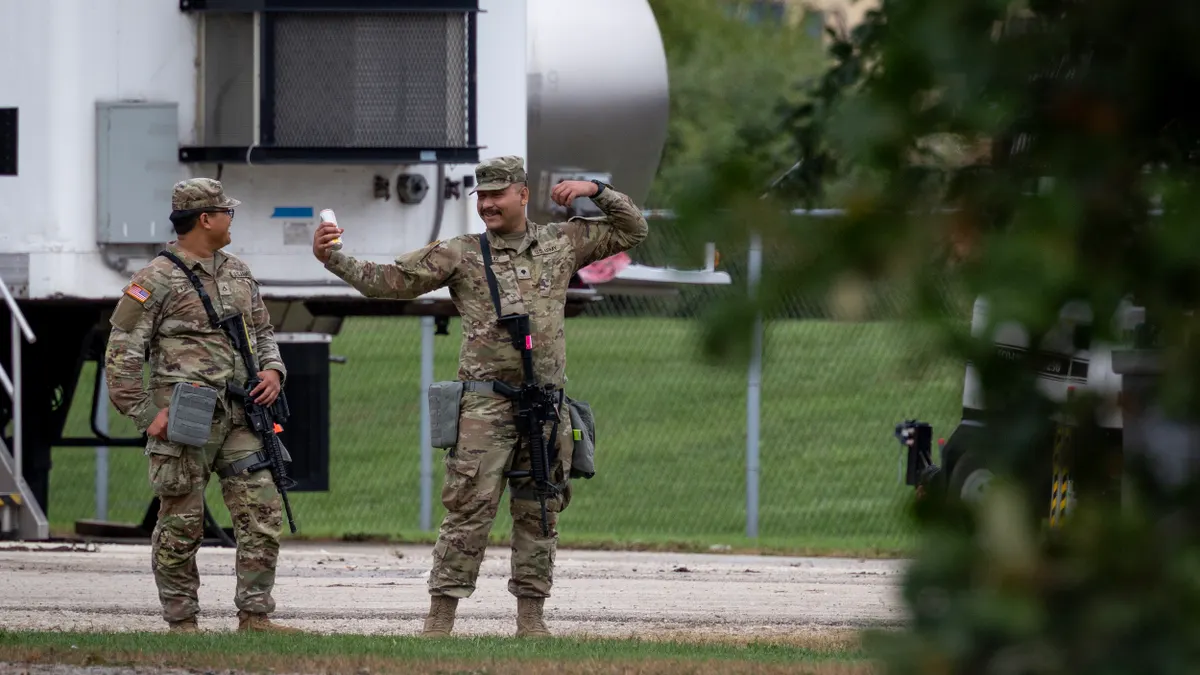
For residents to feel safe, they need to see community leaders and law enforcement officers present in the communities and walking the streets, according to the mayors.
While better lighting and a focus on cleanliness can make a big difference in higher-violence neighborhoods, Smiley said, “it's hard to replicate the value of the visible presence of people in positions of authority.”
In Providence, employees from the nonprofit Downtown Improvement District wear highly visible yellow jackets to patrol the streets and do beautification projects, Smiley said. “Even those folks who are not licensed law enforcement can provide a sense of safety,” he said. “They’re people in a position of authority that you feel like you could go and talk to if you needed to.”
Police presence matters as well, Lucas said, which is why Kansas City is allocating funds for old-fashioned beat cops who patrol neighborhoods and engage more actively with the community outside of crime scenes, he said. Law enforcement has become too tied to emergency and tactical response, he added. “We have taken, in some ways, the creativity out of policing,” he said. “We have standardized it a bit too much around goals that I don't think relate to those of the public.”
In 2021, Lucas created the Community Services and Prevention Fund to provide for neighborhood-level violence prevention, youth development and community restoration and healing. A big part of that effort, Lucas said, is to shift the focus away from tactical response and SWAT teams because “that's not the core of policing services in the city.”
“Perhaps the problem of the early 2020s, more than anything, was that people saw an either-or approach to how we address violence in the United States,” he said. “What cities are doing well now is understanding that, frankly, you need to have services more broadly that are attached to people, you need to almost treat it like social work — i.e. there is a case, and people go through different steps, and their family or other network effects are a huge part of why they're offending, or how they could stop.”
Providence has also embraced community-oriented policing, Smiley said. “There’s a real relationship between the neighborhoods and their officers. We’re broken up by district, people know their neighborhood lieutenant, their district lieutenant, they see them at their church meeting or the PTO, and that makes a big difference.”
“Chipping away at the naysayers”
Reducing crime and communicating about crime reduction are intertwined, but they require different strategies, the mayors said.
During a panel at the USCM conference, Northglenn, Colorado, Mayor Meredith Leighty said the local police department’s practice of posting body camera footage and pictures of fentanyl that has been confiscated on social media is “freaking people out and not making them feel safe.”
Fresno, California, Mayor Jerry Dyer, a former police chief, responded that the mayor, police chief and public information officer need to be on the same page and have a policy about what and how information is released, especially on social media. “The reason I think law enforcement does that is so that people will have confidence in their police department,” he said. “However, now as the mayor, I am just like you, saying, ‘Hey, can we not talk about that, because that has a tendency to get people feeling fearful.’ So, it's a balance.”
Cities should probably err on the side of telling a broader story — not just about crime but about neighborhood improvement, Lucas said. “It’s still engaging with and respecting the people where they are … through your own presence as a mayor or a leader in the certain spaces where they perceive threats,” he said.
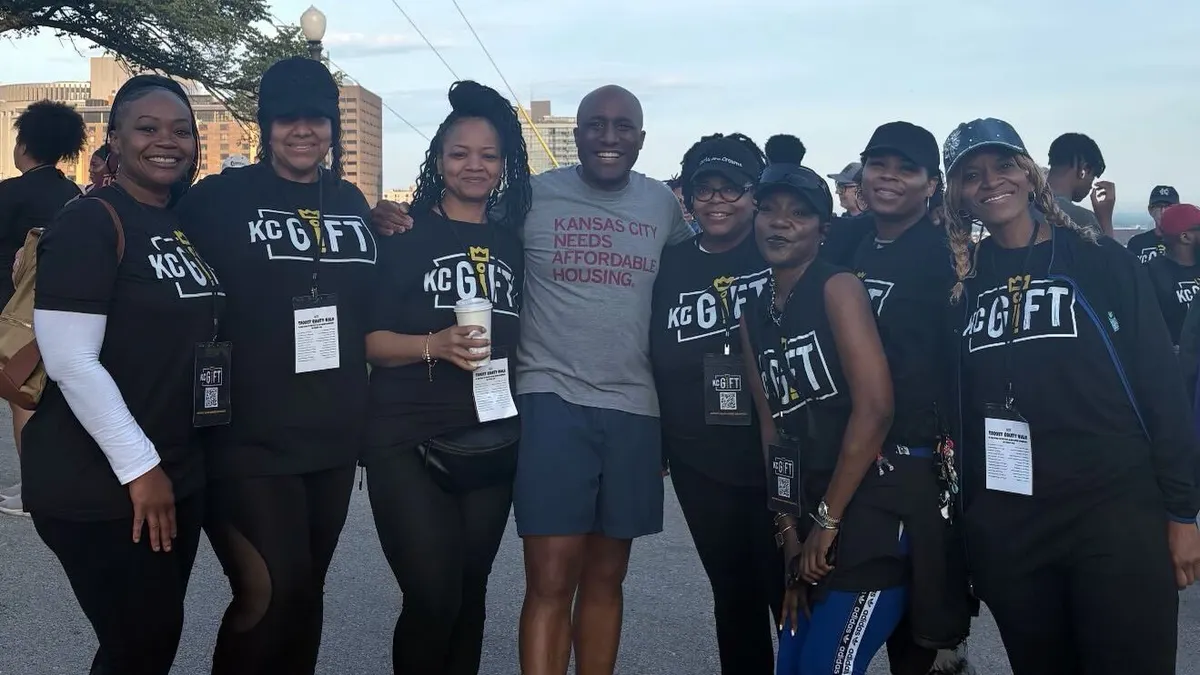
Lucas recently participated in a 10-mile walk through a neighborhood where crime is perceived to be high to show he felt safe. “I think it made a difference,” he said. “There were a few folks that were saying, ‘But try to do it at night.’ I'm like, ‘I have.’ I think you just have to continue kind of chipping away at the naysayers.”