Dive Brief:
- The Federal Transit Administration said last week it is making $100.3 million available to U.S. host cities for this summer’s FIFA World Cup events to expand transit options around stadiums where events will take place.
- The funding, available through the 2026 Consolidated Appropriations Act, may cover planning and capital expenses incurred from July 1, 2025, to July 31, 2026, and public transportation operating expenses incurred from June 1, 2026, to July 31, 2026.
- Regularly scheduled, ongoing, shared-ride transportation open to the general public is eligible for reimbursement, according to the FTA. Amtrak, charter bus and courtesy shuttles are not eligible.
Dive Insight:
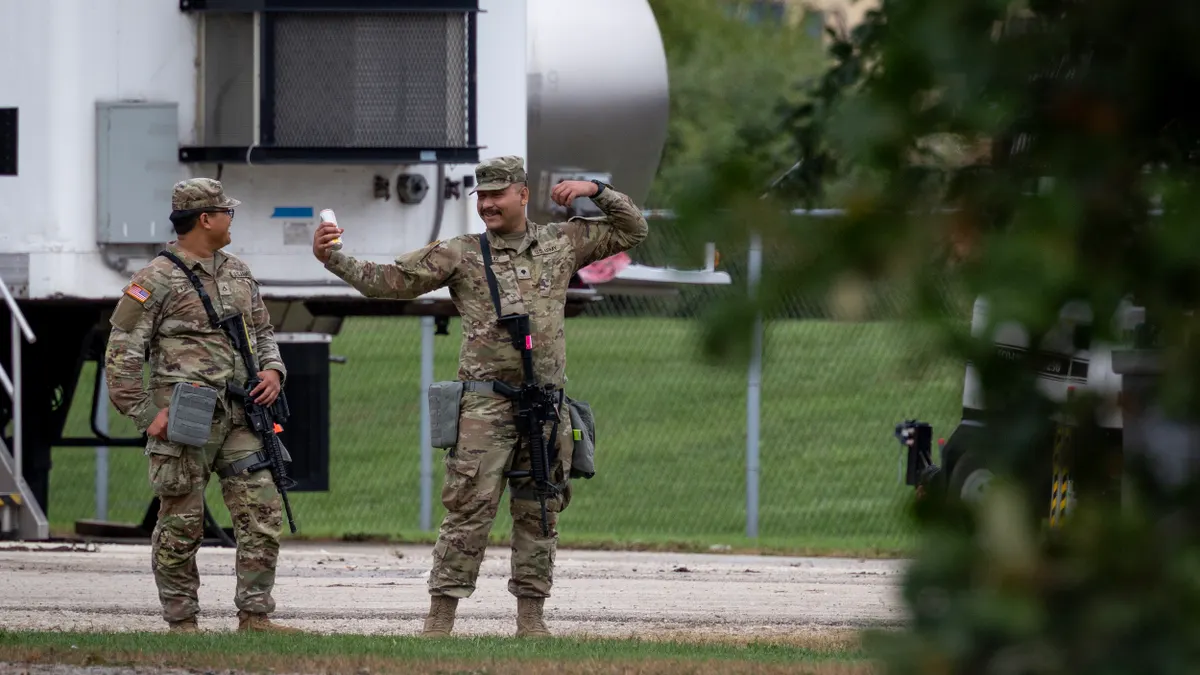
The White House Task Force on the FIFA World Cup 2026 expects 5 million to 7 million international visitors and has committed over $1 billion for security at the events, said Executive Director Andrew Giuliani at a December press briefing. “The effort has become the largest whole-of-government sporting event operation ever undertaken in the United States,” he said.
“We’re proud to partner with host cities to provide fans with a seamless travel experience that will be part of the memories they cherish from attending these historic games,” Transportation Secretary Sean Duffy said in a statement.
These are the cities apportioned funding, according to the FTA:
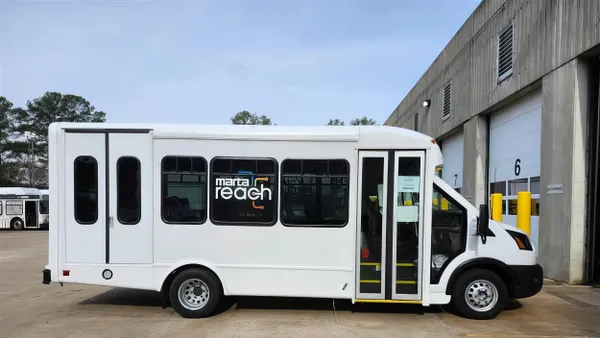
- Atlanta: $9.4 million
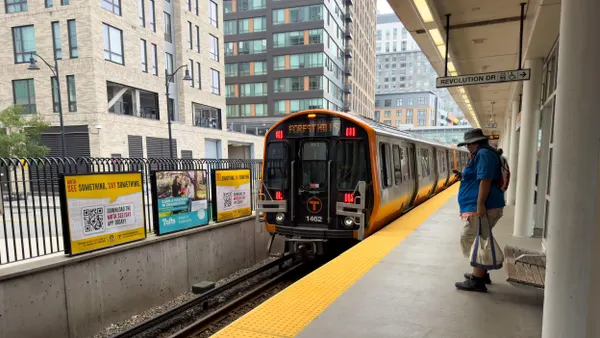
- Boston: $8.7 million
- Dallas-Fort Worth-Arlington, Texas: $10 million
- Houston: $9.1 million
- Kansas City, Kansas and Missouri: $8.6 million
- Los Angeles-Long Beach-Anaheim, California: $9.6 million
- Miami-Fort Lauderdale, Florida: $8.7 million
- New York-Jersey City-Newark, New Jersey: $10.4 million
- Philadelphia: $8.5 million
- San Jose, California: $8.8 million
- Seattle-Tacoma, Washington: $8.4 million
“I’m grateful these resources will enhance public transit to help meet the expected surge in demand and create memorable experiences for players, teams, and fans,” Sen. John Cornyn, R-Texas, said in a statement.
The FTA will host a webinar on March 11 to review requirements for funding, eligibility, criteria and the submission process.