

The United States is on the verge of a “home insurability crisis,” according to a report by the Natural Resources Defense Council.
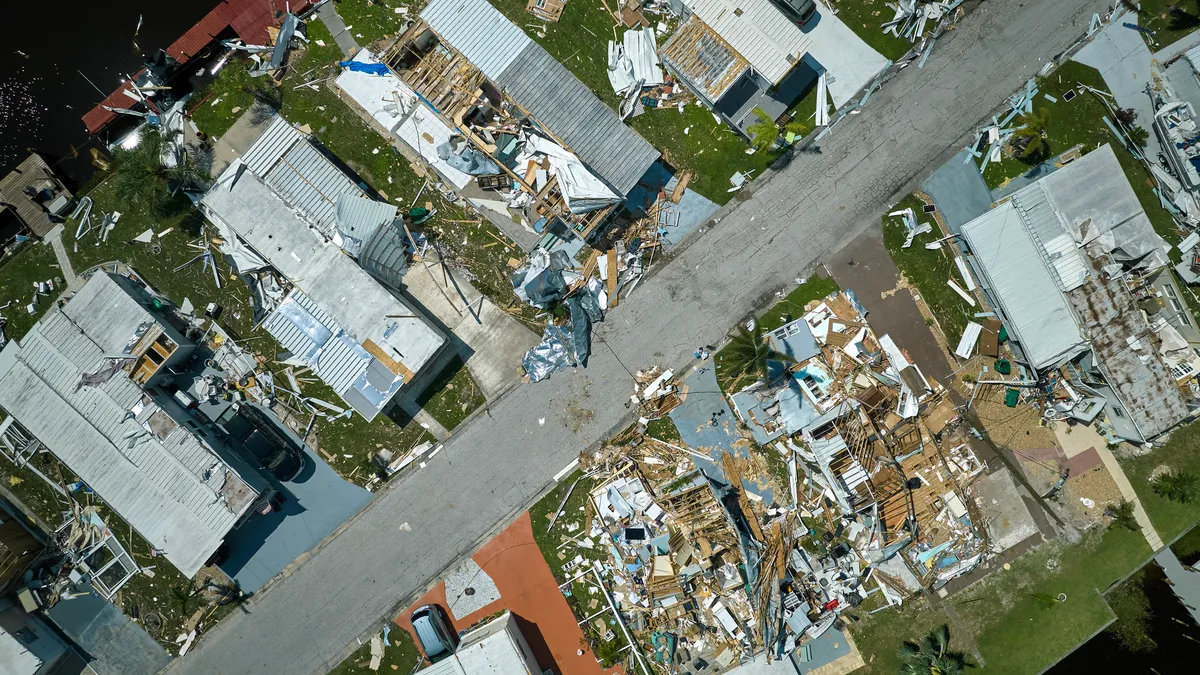
Climate-induced natural disasters are on the rise, leading insurers to hike home insurance rates or drop coverage altogether. Over the past five years an estimated 1.2 million property owners were dropped by their insurance companies and forced to find higher-priced insurance coverage that was often less comprehensive, according to NRDC.
Between 7% and 13% of U.S. homes are uninsured due to being priced out or denied coverage, NRDC said.
States, which oversee the insurance industry, are in a position to help. In the 2025 legislative session, 26 states enacted legislation concerning renters’ and homeowners’ insurance. Here are three recommendations for states from NRDC’s report.
1. Require relevant data from insurers
States can require insurers to share data concerning risk assessments, catastrophe model results, climate risk information and more, according to NRDC. Colorado currently requires insurers to disclose such data with their rate filings, and recently deduced that hail was the biggest driver of home insurance costs in the state. “Even Coloradans who don’t live in hail-prone areas, such as in mountain communities, are paying for hail damage through their premiums,” state Insurance Commissioner Michael Conway said in a Feb. 11 press release. “We can’t change the weather in Colorado, but we can and should help consumers in high risk areas fortify their roofs because that will help lower everyone's premiums.”
2. Fortify state building codes, and incentivize those that go beyond
Inconsistent adoption of standardized building codes is “one of the most significant factors” causing increased costs from natural disasters, according to a 2023 Federal Emergency Management Agency report. Ensuring building codes with minimum standards that are up to date can reduce potential damage from natural hazards, said NRDC. States can also incentivize homeowners in high-risk areas to exceed minimum building standards by offering grants for adopting hazard-resistant features, like fortified roofs, and requiring insurance companies to reduce rates for homes that have incorporated such features.
3. Use budgets to strengthen low-income, high-risk areas
NRDC recommends states invest in climate resilience and risk reduction. Such efforts could include shoring up older housing stock or helping homeowners relocate to areas less vulnerable to climate-related disasters. Insurers will benefit from reduced losses and can be brought in to help fund the risk-reduction efforts, NRDC said. New Jersey’s longstanding Blue Acres plan uses a mixture of state and federal funding to purchase residential properties from homeowners in flood-prone areas.
The NRDC concluded by urging states to enact policies that lower community risks and prevent properties from becoming uninsurable.
Correction: This story has been updated to correct the name of the Natural Resources Defense Council.