Automated traffic enforcement technologies have shown reductions in collisions, speeding and red-light violations but remain controversial.
In December, the U.S. Department of Transportation said it would approve grants for traffic safety cameras only in school or work zones under the Safe Streets and Roads for All program. At least seven states have statutes that ban the use of red-light cameras for traffic enforcement, according to the National Conference of State Legislatures.
Opponents often claim that automated safety cameras do little more than bring in revenue. Still, those funds often go back into road-safety improvements, said Verra Mobility Vice President of Strategic Partnership Will Barnow. “We need to build trust that these are not just revenue-generating type programs, but they're really centered on safety,” he said.
Verra Mobility is a leading provider of traffic-enforcement systems. “We work with our partners to try to always lead with safety messaging and make sure that they're transparent with the communities,” Barnow said.
Speeding accounted for 29% of traffic fatalities in 2024, responsible for nearly 12,000 deaths, according to the National Highway Traffic Safety Administration. More than 1,000 people died in 2023 due to drivers running through red lights, according to the Insurance Institute for Highway Safety.
Traffic agencies commonly use safety cameras to help reduce deaths and injuries. In 2025, communities across the U.S. had 338 speed safety camera programs and 351 red light safety programs, according to the IIHS.
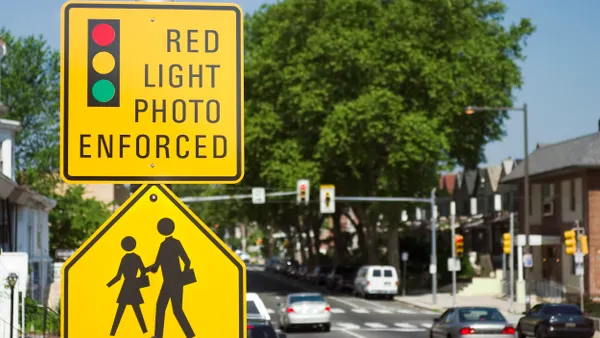
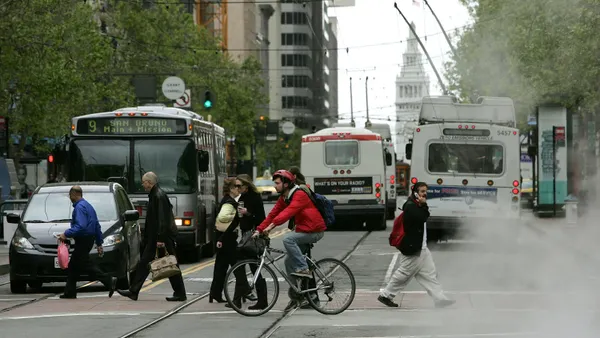
Speeding declined by an average of 72% at 15 sites in San Francisco within six months after safety cameras were installed last year. New York City’s red-light program, which has operated for 30 years, achieved a 73% decrease in red-light violations, a 65% decline in T-bone crashes and 49% fewer rear-end collisions at camera-installed intersections, according to the NYC Department of Transportation. In Philadelphia, safety cameras cut speeding violations by 95% on a major corridor since 2020, Verra Mobility said in a news release.
“When we're deploying a program, it's really about one thing, which is saving lives or reducing injury and collisions,” Barnow said. “But in addition to that, it's about changing dangerous driving behavior.”
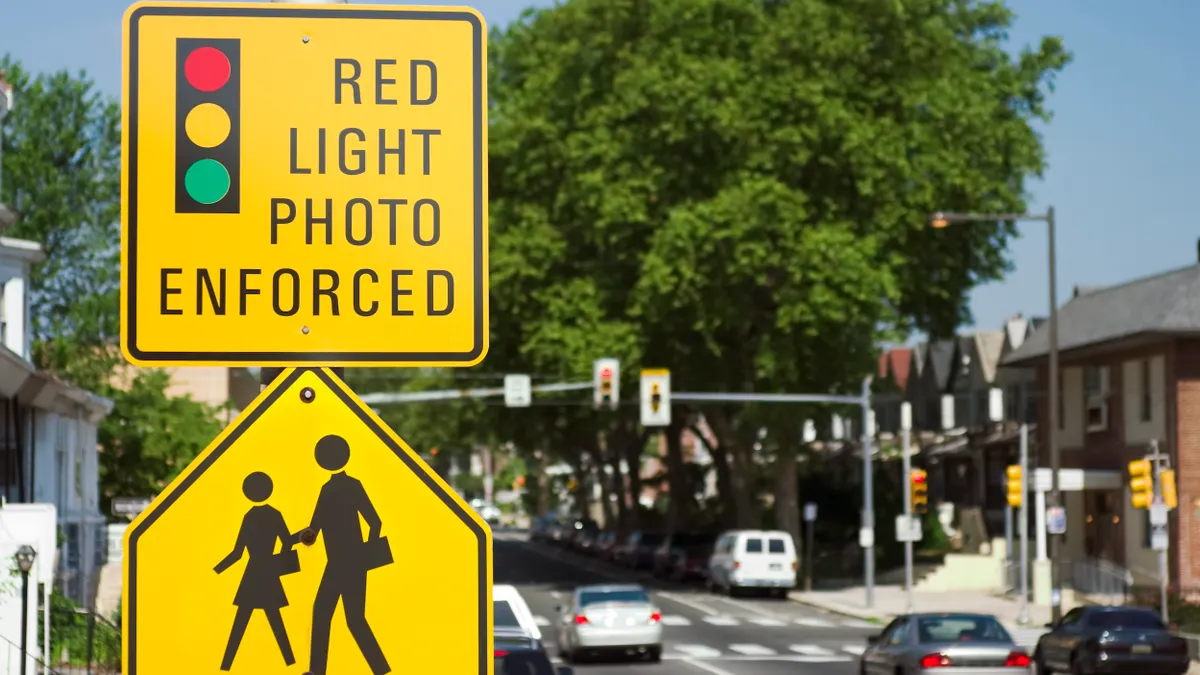
Signage warns drivers of upcoming safety cameras in most installations, Barnow said. When cameras are first put into use, they are usually accompanied by a warning period and community outreach before violations are issued, he said.
Unlike some other camera installations in cities, traffic-safety cameras are triggered only by drivers who disregard speed limits, run red lights or obstruct marked bus lanes. “There's no passive gathering of information,” Barnow said.
“Automated enforcement can address inequities present in traditional traffic enforcement, since cameras do not see race, nationality, gender or other unique characteristics,” according to the Governors Highway Safety Association.