

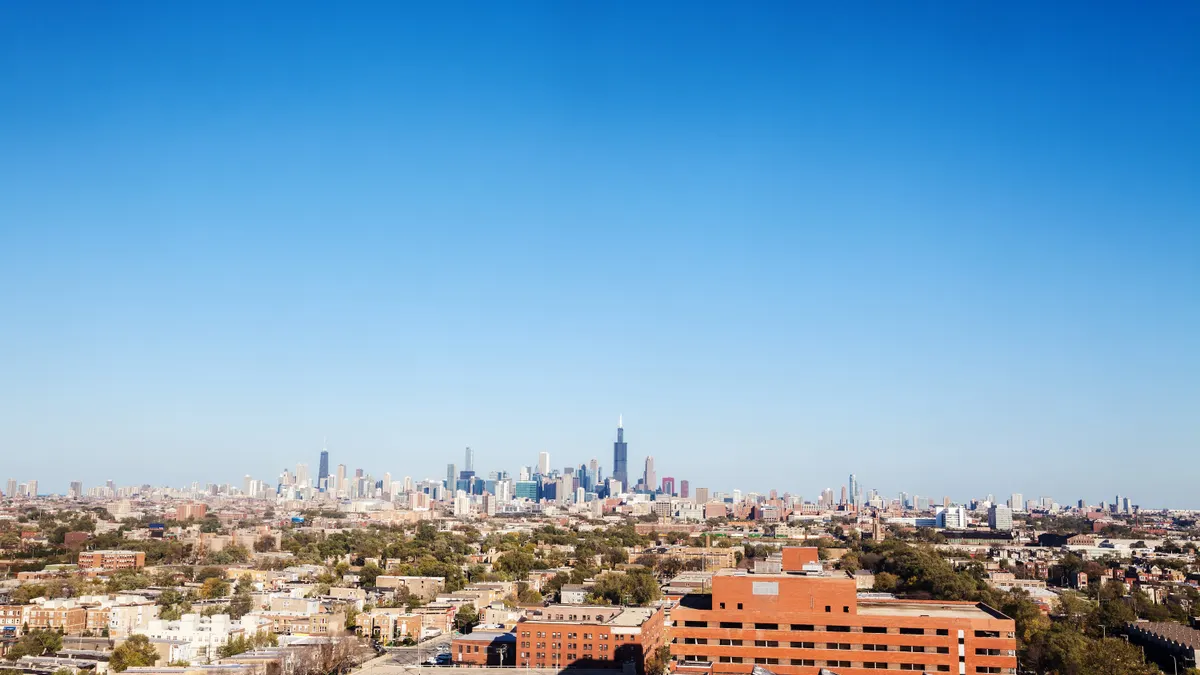
Developers broke ground last week on a project designed to bring seven middle-scale homes to the Chicago neighborhood of North Lawndale.
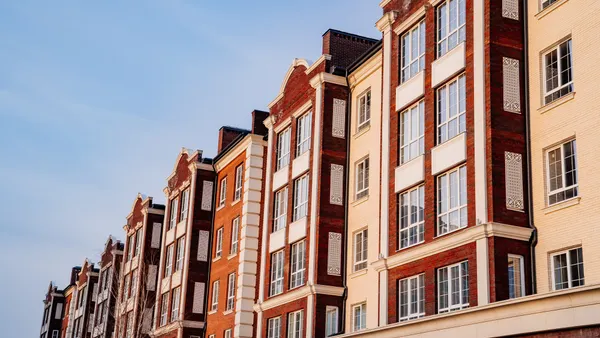
The $5.4 million project is part of a larger city effort to fill city-owned vacant lots with “missing middle” housing, medium-density homes such as duplexes, triplexes and six-flats that offer affordable alternatives to single-family homes and high-rise apartments. The funds were made available through a $1.25 billion five-year housing and economic development bond.
The Institute for Housing Studies at DePaul University estimated in 2023 that Chicago owns approximately 8,800 vacant lots. The majority of them are zoned residential and concentrated in the city’s South and West sides, which have experienced decades of disinvestment and population loss.
With its Missing Middle Housing Initiative, the city is selling its vacant lots for $1 and offering up to $150,000 in construction assistance per unit for developers of market-rate homes that are chosen via requests for proposals. The first phase of the initiative launched last January.
“As we continue to confront the housing crisis head-on, initiatives like Missing Middle address the critical disparities that exist in access to homeownership,” Mayor Brandon Johnson said in a statement. “With each project, we demonstrate what’s possible when government and community come together to lay the foundation for a more equitable and thriving city.”
Chicago’s estimated affordable housing shortfall is 100,000 units, according to the city. Some experts believe missing middle housing, which can be difficult to build due to restrictive zoning and building codes, could help close the affordability gap.
In North Lawndale, 115 units are planned through the initiative. The completed homes will be marketed to buyers earning up to 140% of the area median income.
“Missing Middle is a fast-track repopulation and wealth-building strategy that’s underway less than a year after developers were selected through the RFP,” stated Ciere Boatright, commissioner of Chicago’s Department of Planning and Development. “That’s how we cut the tape. That’s how we revitalize neighborhoods. And that’s how we create wealth-building opportunities for local buyers.”