One of the most promising pipelines for public works jobs in Columbus, Ohio, runs through a women’s prison. That unlikely partnership — and a bureaucratic overhaul in Baltimore — are at the center of new Work for America case studies showing how cities can solve chronic workforce shortages by rethinking where and who they recruit.
Work for America, a nonprofit focused on rebuilding the talent pipeline for state and local governments, developed the case studies in partnership with the city of Baltimore, the city of Columbus, the American Public Works Association and the Public Sector HR Association to showcase proactive, data-driven and inclusive recruiting strategies, according to a Work for America press release.
“Baltimore and Columbus prove there's no single fix for the public works hiring crisis,” Work for America Executive Director Caitlin Lewis said in the press release. “One city changed how hiring works; the other changed who gets to be hired. When leaders fix broken systems instead of working around them, our cities get stronger.”
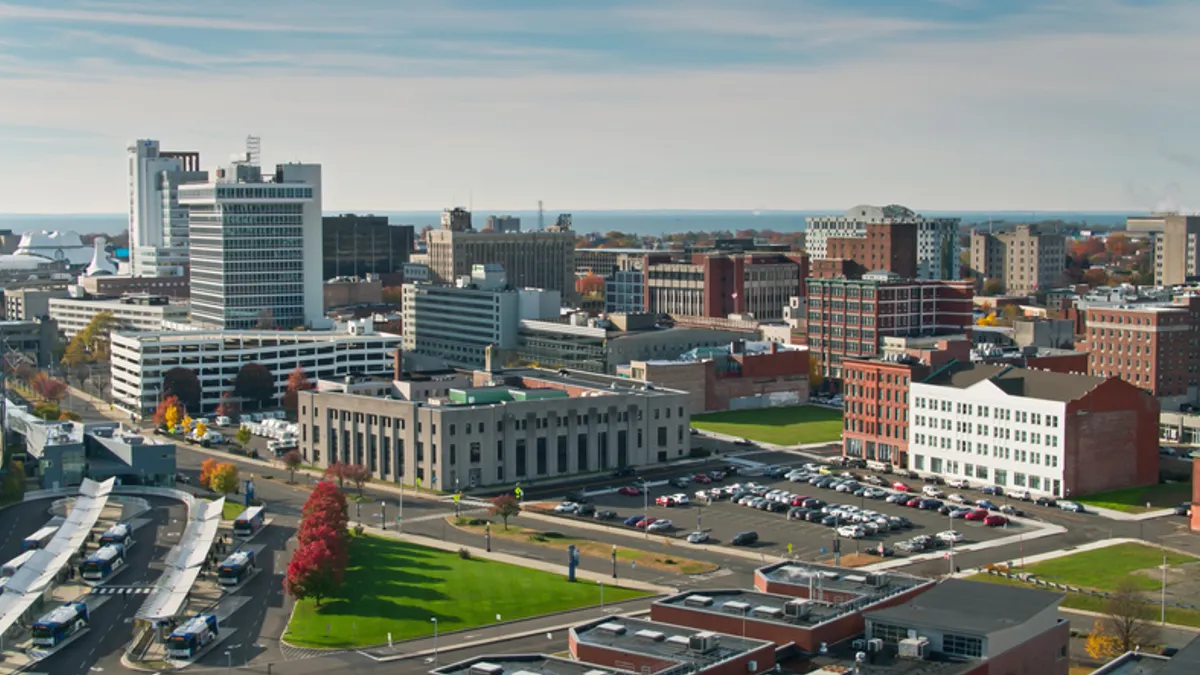
Baltimore “redesigned its recruitment strategy from the inside out,” according to that city’s case study. It established predictable interview schedules, revamped its hiring events, strengthened communication with candidates, revitalized apprenticeship programs and designated a staff recruitment lead. The rebuilt hiring procedures have helped Baltimore’s Department of General Services significantly reduce time-to-hire and fill vacancies in critical roles, the case study states.
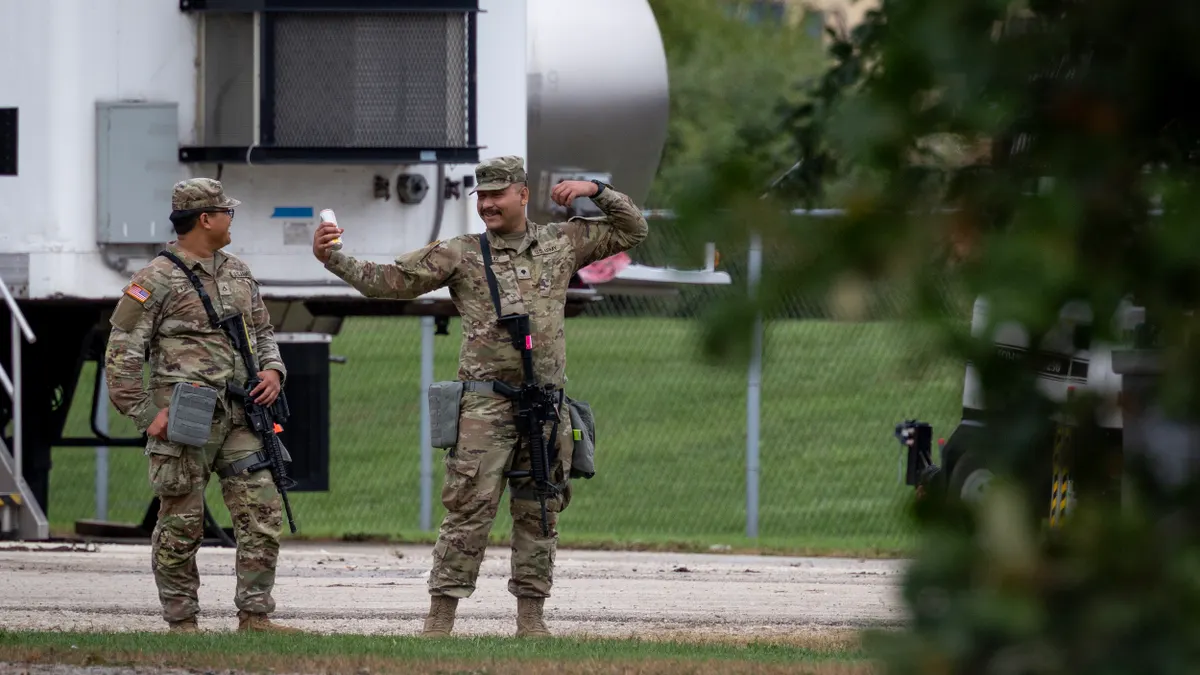
Through a partnership with the Ohio Reformatory for Women, Columbus connects candidates to public works careers, “tapping into a group of job-ready workers preparing to enter the workforce who faced limited access to stable career pathways,” the Columbus case study states. “By aligning this prepared but underutilized talent pool with its workforce needs, Columbus was able to expand access to public works careers while addressing critical staffing gaps.”
Both strategies exemplify the importance of creative thinking, Shifra Goldenberg, Work for America chief program officer, told Smart Cities Dive.
“What we're seeing in the public sector across the country is that the way that recruitment worked for decades just doesn't match the way that job seekers think about looking for jobs and careers today,” she said.
Cities facing workforce shortages can start revamping their hiring practices by assessing where and how they are looking for new candidates, she said. “How are you contacting candidates? Are you using things like text messages? Take a moment to step back and ask, The way we're doing this made sense when we created it; does it still make sense?” she said.