

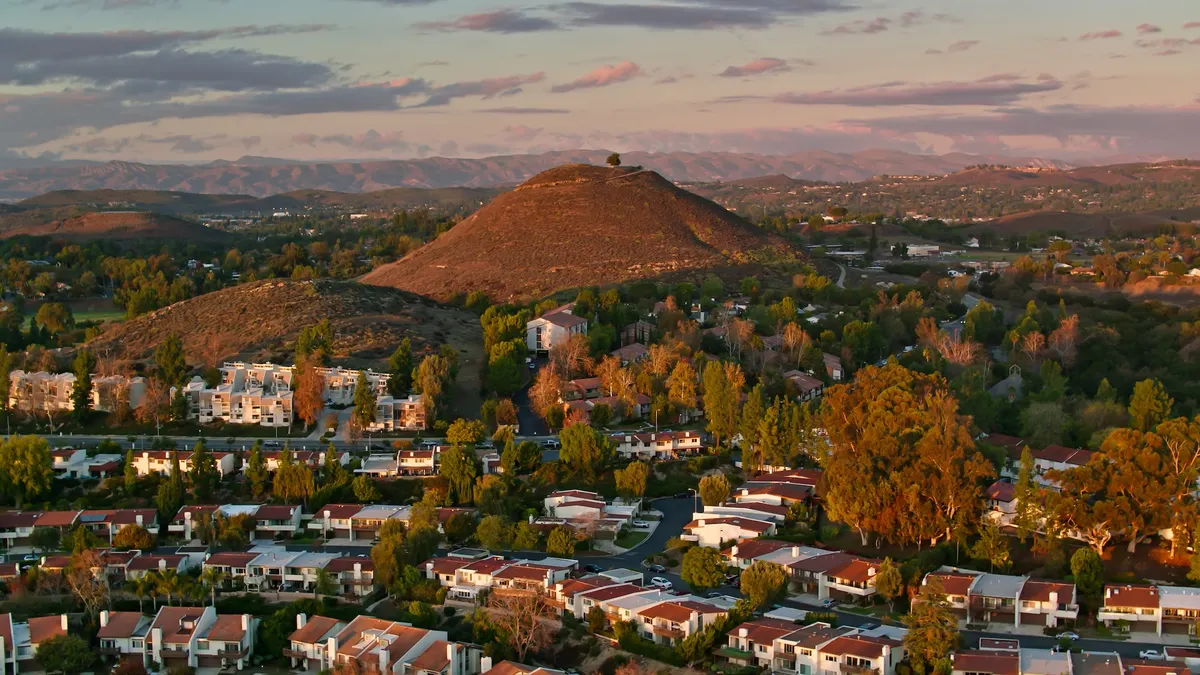
Thousand Oaks, California, is surrounded by a lush ring of green that includes its namesake oaks. “It is incredibly beautiful,” Mayor David Newman said.
It’s also one of the city’s biggest liabilities.
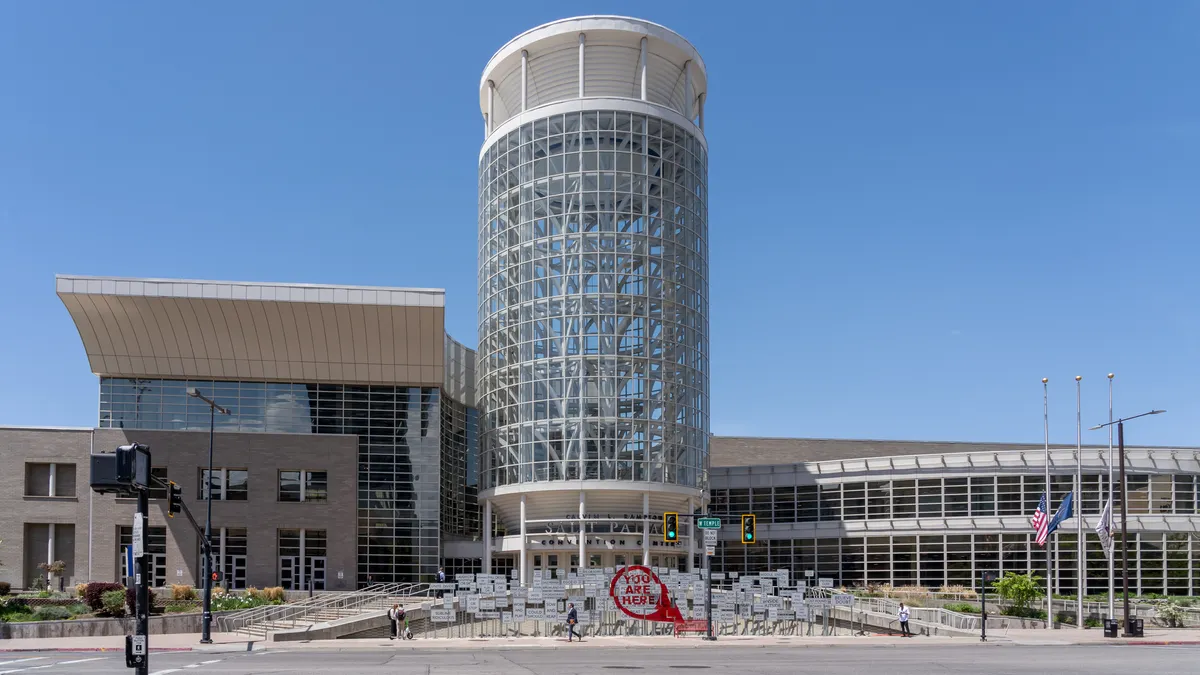
California now classifies 70% of Thousand Oaks as a “very high” fire hazard severity zone, according to Newman, who spoke during a panel on extreme heat at National League of Cities City Summit 2025 in Salt Lake City last month.
And while Thousand Oaks was spared from the wildfires that hit the Los Angeles area earlier this year, it still faced record-breaking power outages that left thousands without power for more than 10 days and impacted city operations, including water and traffic lights, Newman said.
“We really had to step up our resiliency game as a result,” Newman said.
Like many cities across the U.S., Thousand Oaks is facing more extreme and unpredictable weather. In an effort to fight back against extreme weather, many cities are buckling down on resiliency goals and working to get the word out about the dangers to residents.
When Portland, Oregon, Councilor Candace Avalos first moved to the city 12 years ago, she was told it was rainy but “doesn’t really get hot,” she said. But Oregon has seen an increasing number of 90-degree days, which can devastate a city with infrastructure that historically lacks air conditioning.
Heat is the leading cause of weather-related death in the U.S., according to the Environmental Protection Agency. This year, Portland began exploring a “right to cooling” law that would require landlords to provide air conditioning units to tenants.
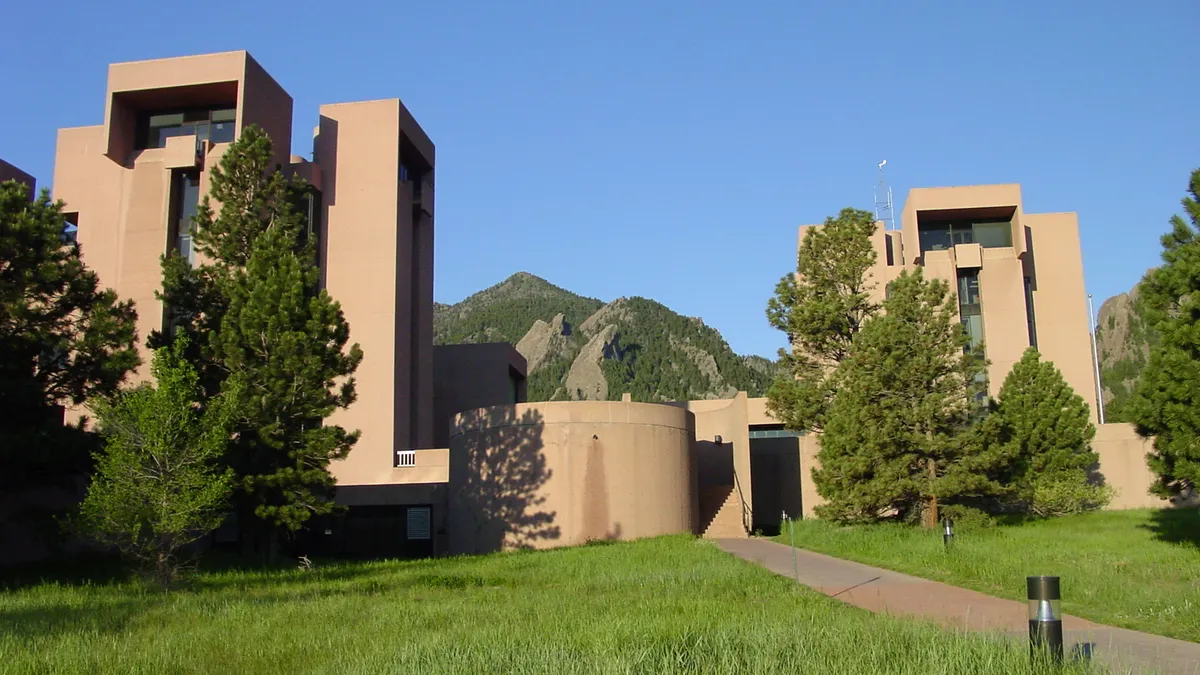
And as Salt Lake City also warms, its surrounding mountains can heighten the problem, Mayor Erin Mendenhall said.
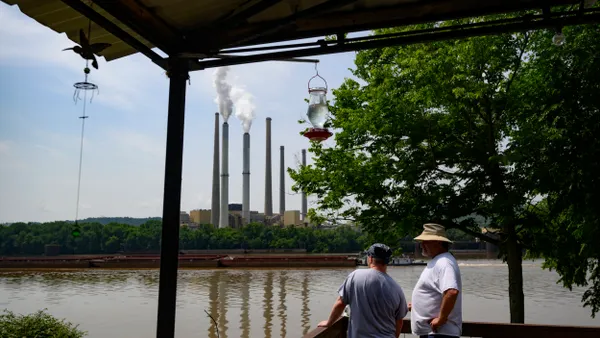
“It makes for a really pretty place,” said Mendenhall of the landscape. “But it also traps pollution and traps heat.”
Salt Lake City recently invested in a solar farm to boost its renewable energy, according to Mendenhall. The solar farm saved the city $1 million in utility bills in its first year, Mendenhall said.
The city has also implemented smaller initiatives, like a coupon program for residents to switch from gas to electric snowblowers, championing e-bikes and giving out free bus passes, Mendenhall said.
“We are building transit riders,” she said.
A small town with big flooding
Moab, Utah, a town of about 5,000, has implemented an emission-reductions program with a goal of 100% renewable energy by 2030, according to Mayor Joette Langianese.
An historically dry desert area surrounded by red rock cliffs, Moab is facing lengthening summers and increasing flash flooding events that are pummeling the town’s stormwater drains, Langianese said.
The town is performing heat mapping to determine the areas most impacted by extreme heat and adding tree canopies. It’s also adding shades to bus stops, more water fountains and updating its landscape codes, Langianese said.
“If we have to remove a tree, we have to plant four depending on the dynamics of the tree,” Langianese said. “The bigger the tree, the more trees have to be planted.”
Thousand Oaks last year passed a Climate and Environmental Action Plan with goals and deadlines as it works toward carbon neutrality. One of the most impactful changes for the city was to join the Clean Power Alliance, according to Newman.
“When we joined CPA, we cut our greenhouse gas emissions from electricity by 60% in a single day just by the simple act of joining at the 100% green level,” Newman said.
The city is also electrifying its fleet and building EV chargers across the city, and removing non-native plant types, such as palm trees, which can send embers over large distances during high winds, according to Newman.
An intersectional effort
Fighting climate change is intersectional with transportation, housing and planning, Avalos said. In 2018, Portland implemented a clean energy surcharge tax for major corporations. The fund has brought in almost $1 billion for the city’s efforts to fight climate change, according to Avalos.
“If you’re going to bring all this air pollution into our community, then you better be planting a tree,” Avalos said of corporations.
Even as the Trump administration winds down some renewable energy efforts, many cities are working to meet renewable energy goals, according to panelists.
“It’s incumbent on us to do everything we can to mitigate climate change, to be more resilient, to enhance public safety,” Newman said. “The good news is that those aren’t all separate things, they’re all the same thing.”