

As the housing affordability crisis continues and city budgets tighten, more local governments are turning to bonds as a path to more housing.
Philadelphia launched a $2 billion plan to boost housing this year that relies heavily on bonds. Columbus, Ohio, in February also unveiled a $500 million housing bond — the largest in the city’s history, according to news reports
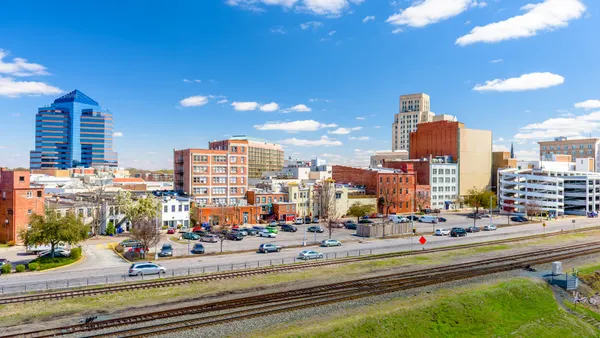
Durham, North Carolina, was ahead of the game with its 2019 Forever Home, Durham initiative — a $95 million bond approved by voters with the aim of filling gaps in the city’s affordable housing market — and it’s beginning to report the benefits.
That bond, paired with $65 million in federal and local funds, has so far helped spur 1,668 new affordable rental homes — 68 more than the city’s original goal. The city has also used the funding to preserve 888 housing units, surpassing its initial goal of 800.
“These are things that are working. We are housing people,” Durham Mayor Leonardo Williams said of the program at a December work session. “This is a lot of progress. We’re doing a great job in many areas, in many respects.”
The city also exceeded its goal of curbing homelessness. The city sought to reduce homelessness by moving 1,700 individuals into permanent housing and has housed more than 2,030 under the Forever Home plan, overseen by an affordable housing implementation committee.
Durham likewise surged past its goal to stabilize 3,000 low-income households, providing financial assistance to 4,730 households to remain housed or make critical home improvements since Forever Home began.
What’s lagged among the city’s goals is homeownership itself. The city aimed to produce 400 affordable homes for low-income buyers, but to date has provided 125.
“As we all know, housing prices have changed drastically since the bond referendum was adopted” in 2019, Assistant City Manager Karmisha Wallace said during the December work session.
The city increased the subsidy amount from the bond for the homeownership program from $20,000 to $80,000 in an effort to shift with the changing housing needs.
As part of the homeownership program, the city also issued requests for proposals to develop housing units on city-owned vacant lots with $100,000 in funding from the bond allocated for each.
The city has 63 homeownership opportunities in the pipeline as of December.
The program has also fallen short of its aim to create at least $130 million in contracting opportunities for minority and women-owned businesses, so far producing $62.5 million in such opportunities.
The city is collecting feedback from residents who have gone through the program to determine pain points. It is also reaching out to realtors, some of whom have criticized the program for its complexity.
“I know realtors want it to move fast, because time is money, and government does not move fast,” Williams said.
But Williams also lauded the progress the program has made in growing the city’s affordable housing options since its 2019 launch.
“At the time, it was the largest housing bond in the state’s history,” he said. “And I’m proud to say Durham was the leader in that. And now everyone is doing housing bonds, and larger cities are doing larger bonds because I believe everyone sees the need.”