City leaders are facing big issues, with big consequences, in 2026, including tight budgets, an affordable housing shortage, climate-related risks, infrastructure challenges and — for some cities — pressure to comply with federal immigration enforcement operations and other executive branch mandates. Underlying all this, AI and other emerging technologies are rapidly transforming mobility, public safety and urban planning, with the promise of improved efficiency alongside privacy, equity and security concerns.
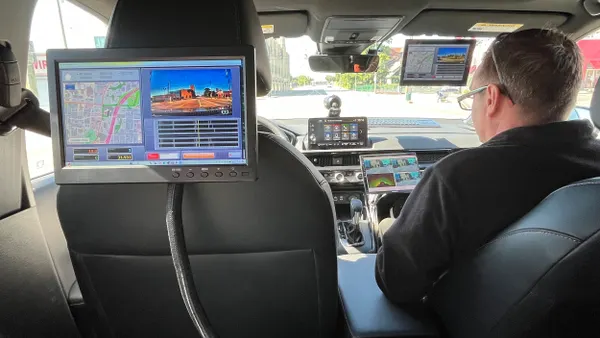
Technological evolution may be most tangible in city streets as robotaxis proliferate and air taxis prepare for takeoff in Los Angeles this year. But local leaders are working tirelessly on less visible, but perhaps more existential, opportunities and threats, from zoning and regulatory reform aimed at accelerating home building to legal fights over attempts to claw back federal funds for resilience and clean energy.
There were no dull moments in 2025, and 2026 indicates that the pace of change is only accelerating. Below is a roundup of Smart Cities Dive’s outlooks on what to expect this year.