


The U.S. has a deficit of several million single-family homes, according to a recent analysis by President Donald Trump’s Council of Economic Advisers. The path to filling that gap, the report states, lies largely in a process many local governments have already begun: cutting red tape.
“Not only does the bureaucrat tax add over $100,000 to the cost of a home; it also acts as a barrier to homes being built,” the report, released Monday, states.
State and local regulatory barriers such as zoning approvals, building code changes, affordability mandates and “fees, delays and costs of compliance”can account for 24% of the cost of a new single-family home and 41% of a multifamily home, according to the report, which cites data from the National Association of Home Builders and National Multifamily Housing Council.
“Reform at the State and local levels to tackle the sources of the six-figure bureaucrat tax would greatly enhance the ability of supply to keep up with stronger demand,” according to the report.
An administration official told PBS that the Trump administration could make federal funding contingent on localities complying with regulatory reductions.
Regulatory reforms could boost the U.S. housing stock by 9%, or 13.2 million more homes, the report says. To streamline homebuilding, the report recommends municipalities create a fast-track process for housing developments that includes capped timelines and permit fees, “appropriate and justifiable” impact fees, third-party inspections and an expedited appeal process to encourage faster dispute resolution.
The report calls on local governments to curb mandates that it says can restrict housing supply, such as restrictions on the number of units that can be built in any given time period, targeted green energy building requirements and “discriminatory labor rules.”
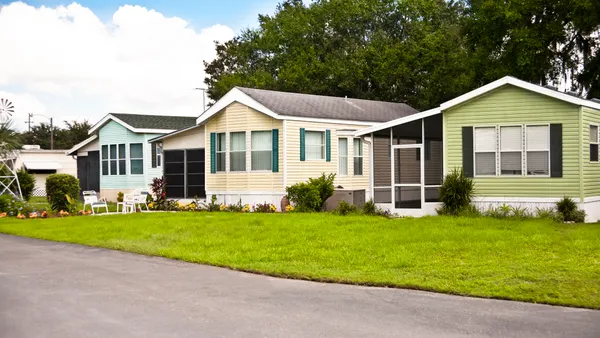
The CEA also champions loosening restrictions on manufactured housing, or housing built off-site and then assembled, which often fails to meet city and county building codes and inspection procedures.
The report comes as the Trump administration seeks to slash federal affordable housing and homeless aid to local governments.