Transportation: Page
-
NYC releases terms of e-scooter pilot
The city's Department of Transportation issued an RFEI for the program, slated to begin in March. Operators now face tough competition to serve what has long been the nation's largest untapped market.
By Chris Teale • Oct. 30, 2020 -
MTA service cuts could cost New York region $65B
An economic study from NYU's Rudin Center for Transportation revealed the consequences of proposed service cuts if the transit agency does not receive at least $12 billion in federal relief.
By Cailin Crowe • Oct. 30, 2020 -
 Explore the Trendline➔
 Getty Images
Trendline
Getty Images
TrendlineTop 5 stories from Smart Cities Dive
From worsening climate change to a shifting transportation landscape and the housing affordability crisis, cities have their work cut out for them.
By Smart Cities Dive staff -
Opinion
Prop 22 will shake up fundamental insurance policies
No matter which side of the fence the California ballot measure falls, it will shake up the gig economy and impact operator insurance strategies.
By Wil Hamory • Oct. 29, 2020 -
10 statewide ballot measures to watch: results
Of the 10 ballot initiatives identified last week as "measures to watch," only one — a rent control initiative in California — failed at the polls.
By Kristin Musulin , Chris Teale , Cailin Crowe • Updated Nov. 4, 2020 -
 vxla. (2010). "Michigan Avenue Bridge" [Photograph]. Retrieved from Flickr.
Advocates urge Chicago to keep transit running amid protests
As potential Election Day-related unrest looms, transportation advocates signed a petition requesting a guarantee that transit will continue during future periods of protest.
By Cailin Crowe • Oct. 26, 2020 -
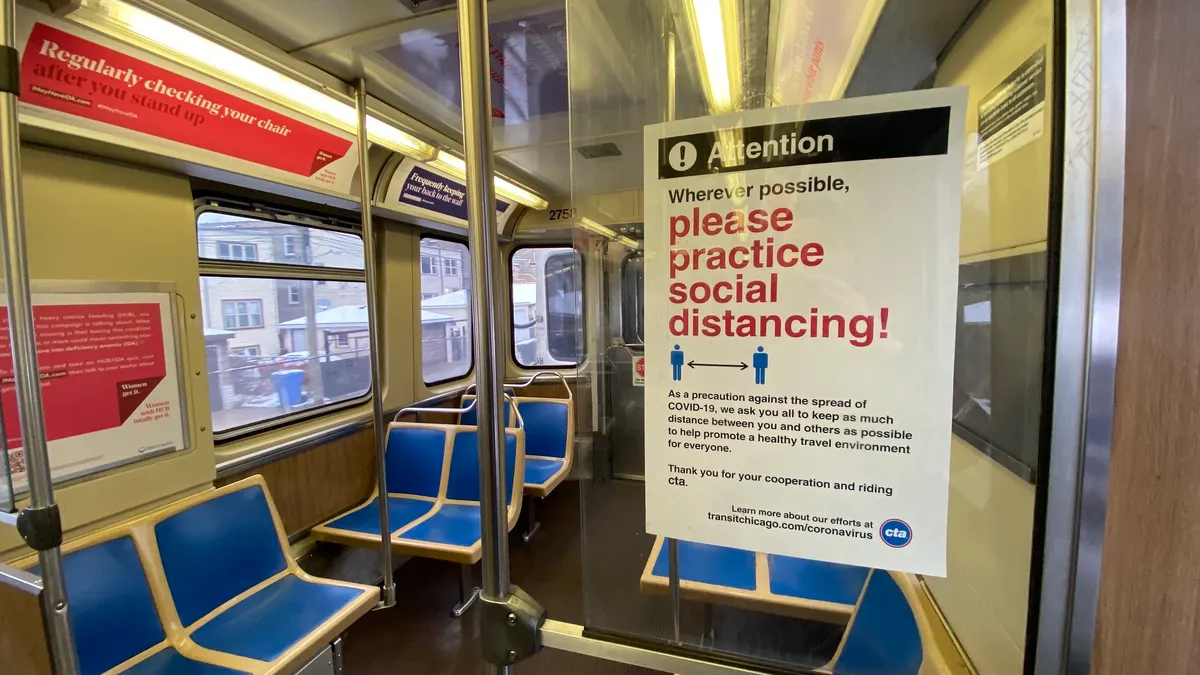 "Inside Empty CTA L Brown Line Car" by Raed Mansour is licensed under CC BY 2.0
Opinion
"Inside Empty CTA L Brown Line Car" by Raed Mansour is licensed under CC BY 2.0
OpinionTransit must think outside the box to rebuild ridership
Associations have developed frameworks to guide public transit agencies toward recovery, but they may not go far enough to innovate the industry.
By Ben Haynie • Oct. 26, 2020 -
Deep Dive
The gas tax was already broken. The pandemic could end it.
As states and cities face infrastructure budget crunches with gas tax revenues down, some are thinking about alternative ways to secure funding.
By Jason Plautz • Oct. 26, 2020 -
DOE, USDOT issue $5.25M in project grants to advance transit tech
MIT, Utah State University and the Chattanooga (TN) Regional Transportation Authority each received $1.75 million grants to improve transit systems using "innovative vehicle technologies."
By Chris Teale • Oct. 26, 2020 -
 Courtesy of Motional
Lyft, Motional resume Vegas AV service
The reintroduction welcomes passengers to ride in the first Motional-branded AVs, marking a key milestone for the driverless technology venture.
By Kristin Musulin • Oct. 23, 2020 -
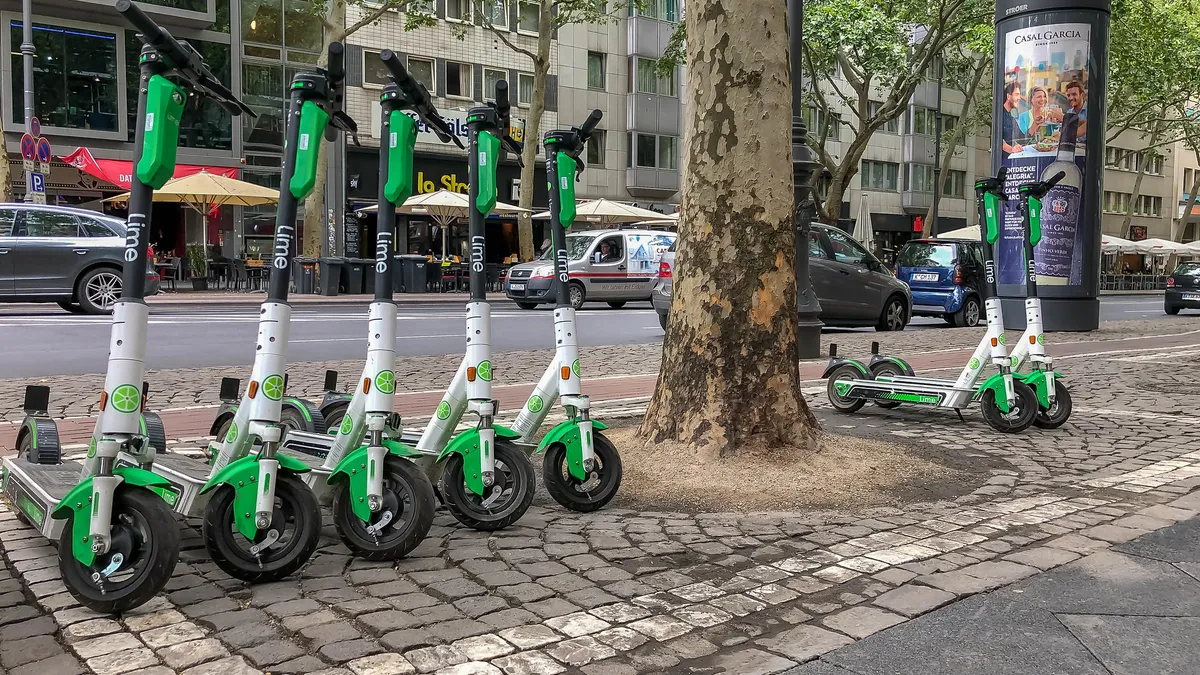
Lime, WWF partner to promote clean transportation
The micromobility giant and conservation leader will run joint education and advocacy campaigns in a bid to enhance mobility options and safer streets.
By Chris Teale • Oct. 22, 2020 -
Elon Musk's Vegas Loop system one step closer to reality
Following successful tunneling at the Las Vegas Convention Center, the Boring Co. is looking to expand its underground transit system to more destinations on the Strip and beyond.
By Zachary Phillips • Oct. 21, 2020 -
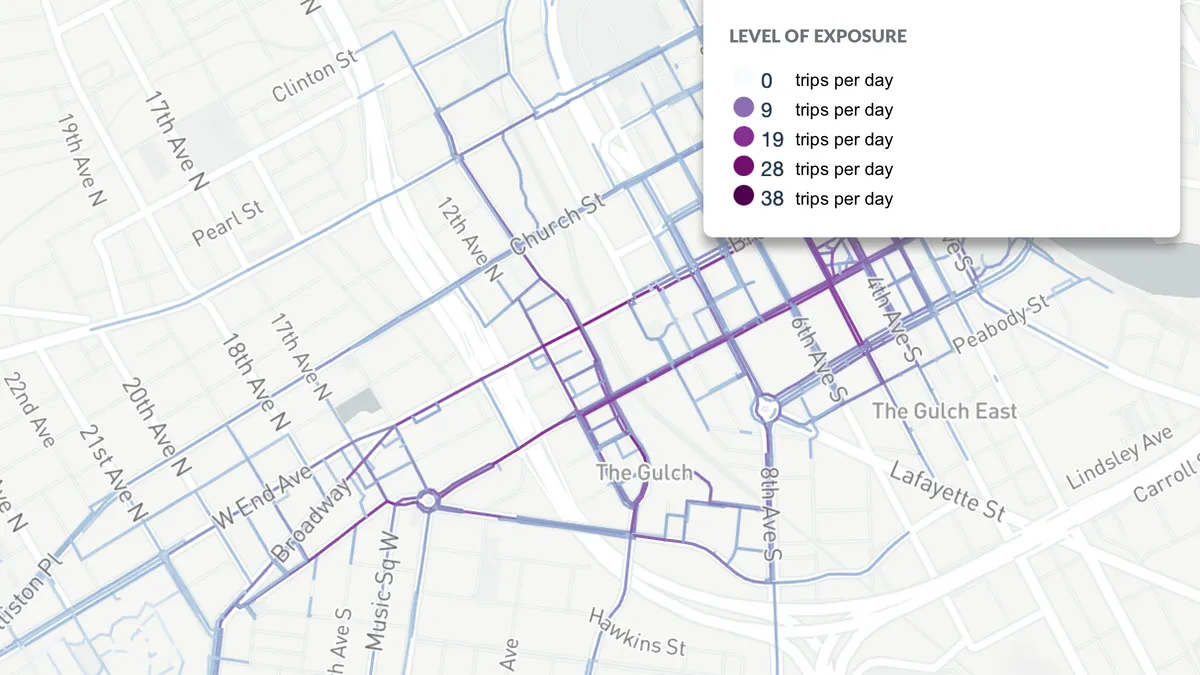 Permission granted by Populus
USDOT issues 4 contracts for data-driven safety research
Among the awarded vendors is micromobility data management platform Populus, which will asses how its existing partners and data can be used to address USDOT safety concerns.
By Kristin Musulin • Oct. 20, 2020 -
Group develops global blockchain standard for EV grid integration
The standard could pave the way for an expansion of the vehicle electrification market, but it must support innovation in a manner that benefits entire communities and not just the wealthy few, one expert said.
By Thomas Gresham • Oct. 20, 2020 -
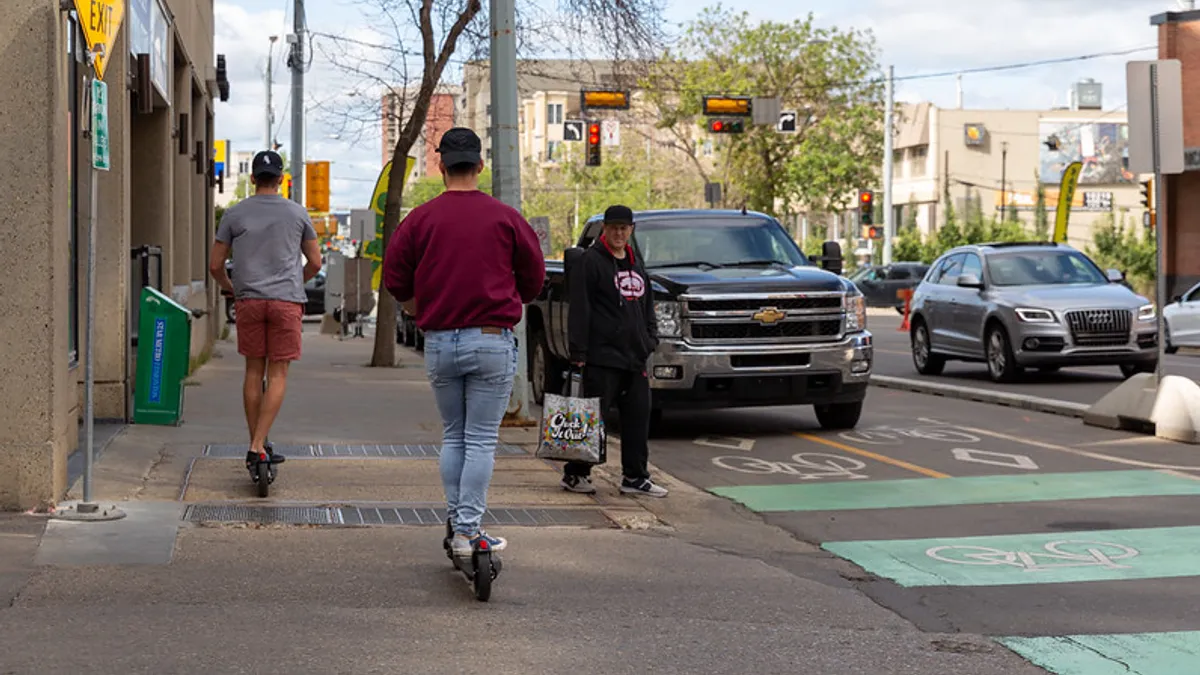 The image by Mack Male is licensed under CC BY-SA 2.0
Most scooter injuries happening on sidewalks: study
The Insurance Institute for Highway Safety found three in five scooter riders are injured on the sidewalk versus one in five injured in bike lanes, but there are still doubts over where scooters can be safely ridden.
By Chris Teale • Oct. 19, 2020 -
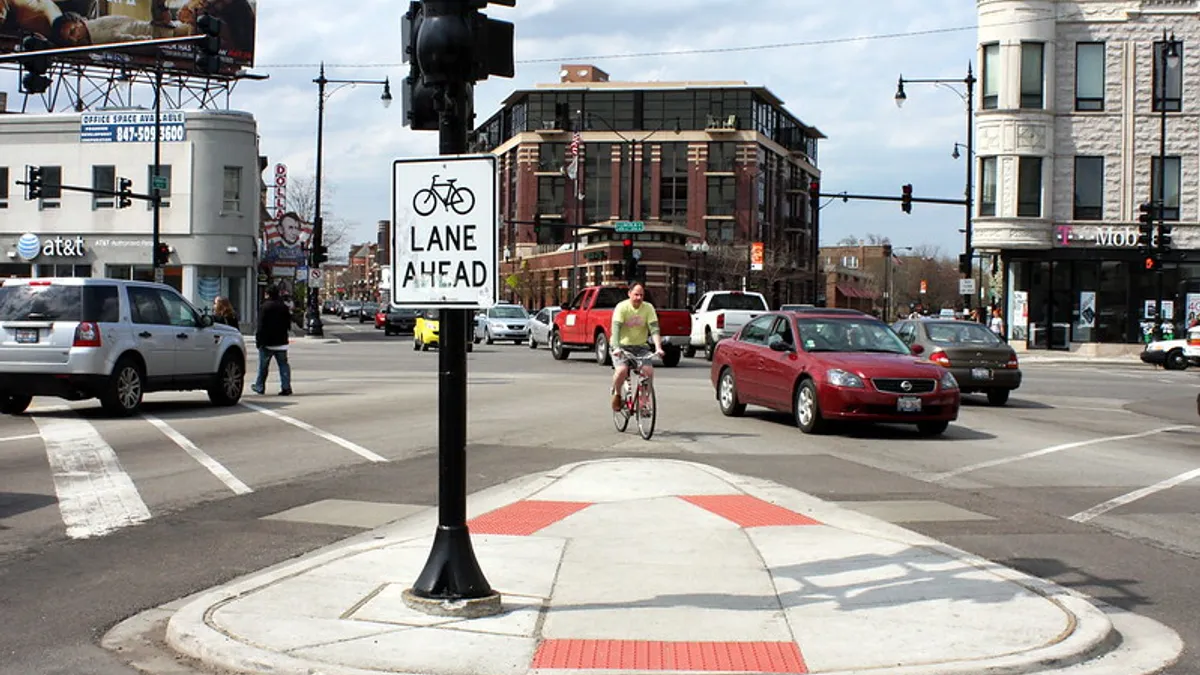 gapersblock. (2011). "*Zoup*" [Photograph]. Retrieved from Flickr.
StreetLight, Ford Mobility team up to reduce fatal crashes
The partners' Safety Solutions toolkit provides data-driven insights for local officials to prevent serious crashes amid a surge in cycling and reckless driving.
By Cailin Crowe • Oct. 16, 2020 -
 Permission granted by Capital Metro
Deep Dive
Permission granted by Capital Metro
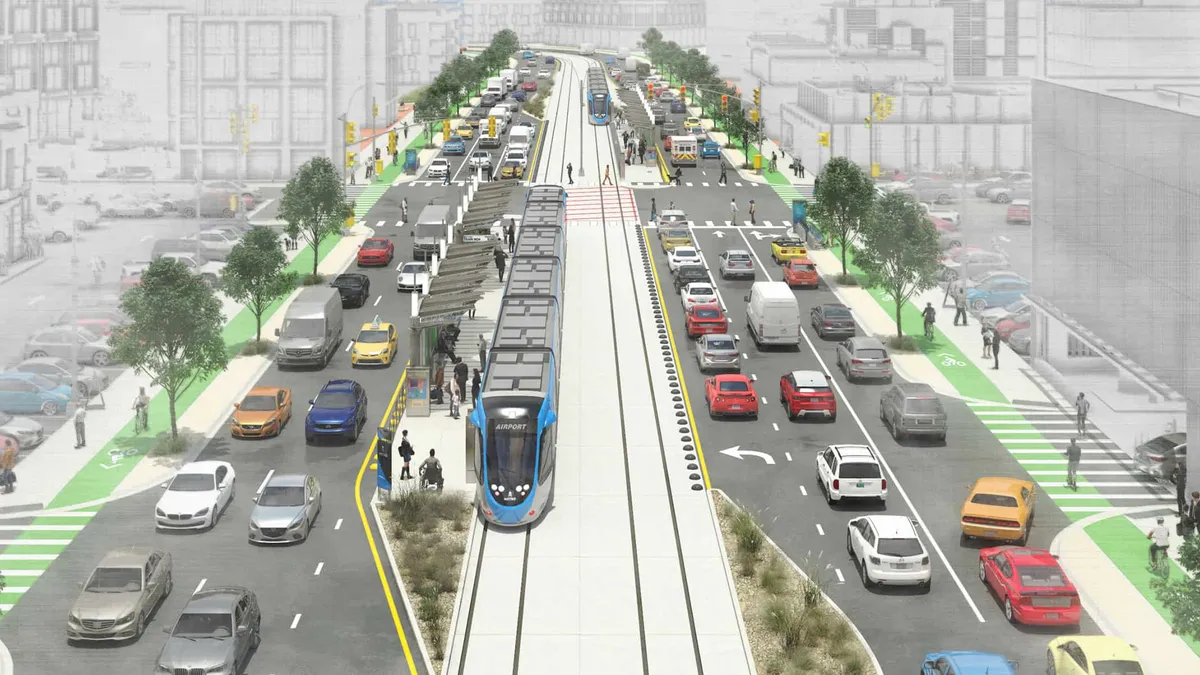
Deep DiveBehind the controversial $7.1B plan to transform transit in Austin, TX
Voters will soon decide on a ballot initiative to fund a comprehensive transit revamp dubbed Project Connect. Opponents call the plan a "costly burden."
By Joan Mooney • Oct. 15, 2020 -
 Courtesy of EV Connect
Electric vehicle firms partner to ramp up charging station access, reliability
EV Connect joined three of its industry peers for its Partner Program, designed to increase station reliability and help chargers avoid maintenance issues.
By Chris Teale • Oct. 14, 2020 -
Transit agencies ‘ill prepared’ for cyberattack: survey
Only 60% of agencies have a cybersecurity plan in place and 43% say their plan is insufficient, according to the Mineta Transportation Institute.
By Chris Teale • Oct. 13, 2020 -
Opinion
UAVs can play a vital role in the future of smart cities
Drones could provide important and diverse contributions to cities, offering cost-efficient services for everything from environmental monitoring to traffic management.
By Daniel Browning • Oct. 13, 2020 -
 Courtesy of Virgin Hyperloop One
Virgin Hyperloop to build certification center in West Virginia
Officials said the center, which will have testing, training and manufacturing facilities, will "lay the foundation" for commercial deployment of the technology.
By Chris Teale • Oct. 9, 2020 -
 Permission granted by Caroline Passe
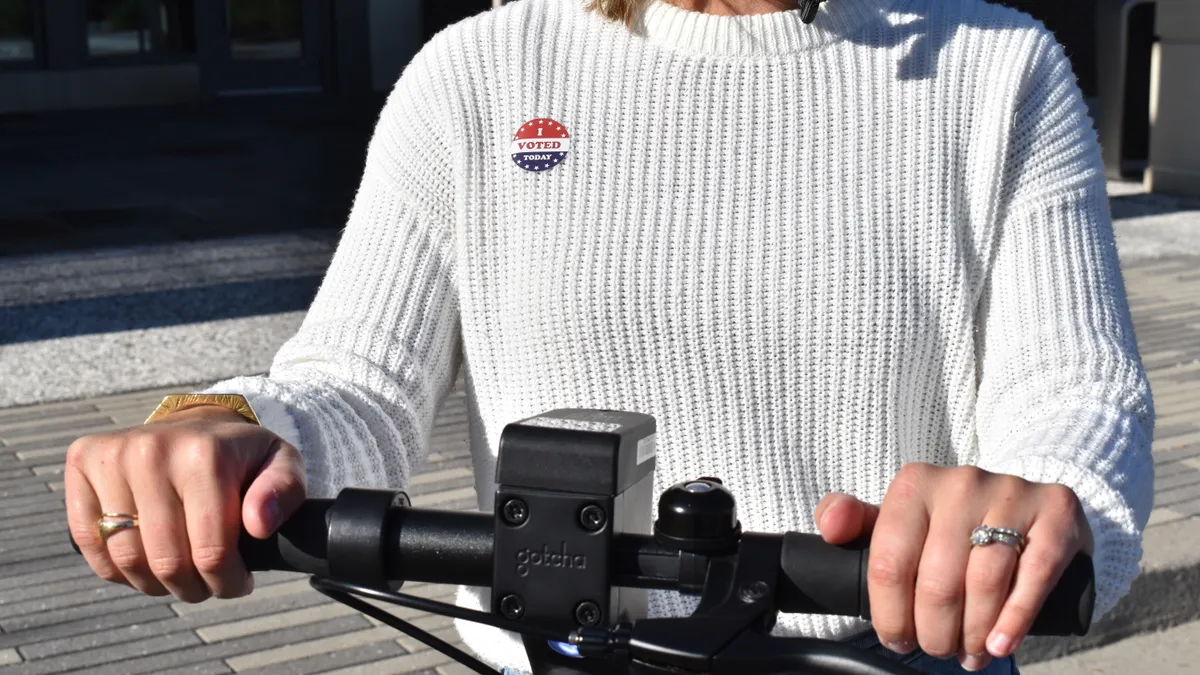
Micromobility industry offers free Election Day rides
The North American Bikeshare Association's "Roll to Polls" campaign aims to help voters work around a transportation gap exacerbated by the pandemic.
By Cailin Crowe • Oct. 8, 2020 -
Lime unveils MaaS platform to expand micromobilty access
Micromobility operator Wheels will be Lime's first partner on the platform, which is intended to become a "one-stop shop" for shared electric vehicles.
By Kristin Musulin • Oct. 8, 2020 -
Elected officials urge automakers to support cleaner cars
The Clean Cars Declaration, signed by more than 200 elected officials, called on manufacturers to drop their support for the Trump administration’s rollback of clean car standards.
By Chris Teale • Oct. 8, 2020 -
Sponsored by Passport
Evolution of parking management technology: 3 criteria to build a modern mobility system
Technology is rapidly changing. The pressure is on for cities to ensure they are keeping up with the pace of change. Using modernized RFP criteria, cities can procure for a unified mobility solution that streamlines management of the entire parking operation, enables a better customer experience and ensures the technical flexibility necessary for cities to adapt to the changes of the future.
Oct. 5, 2020 -
 Retrieved from Amazon on December 05, 2019
Opinion
Retrieved from Amazon on December 05, 2019
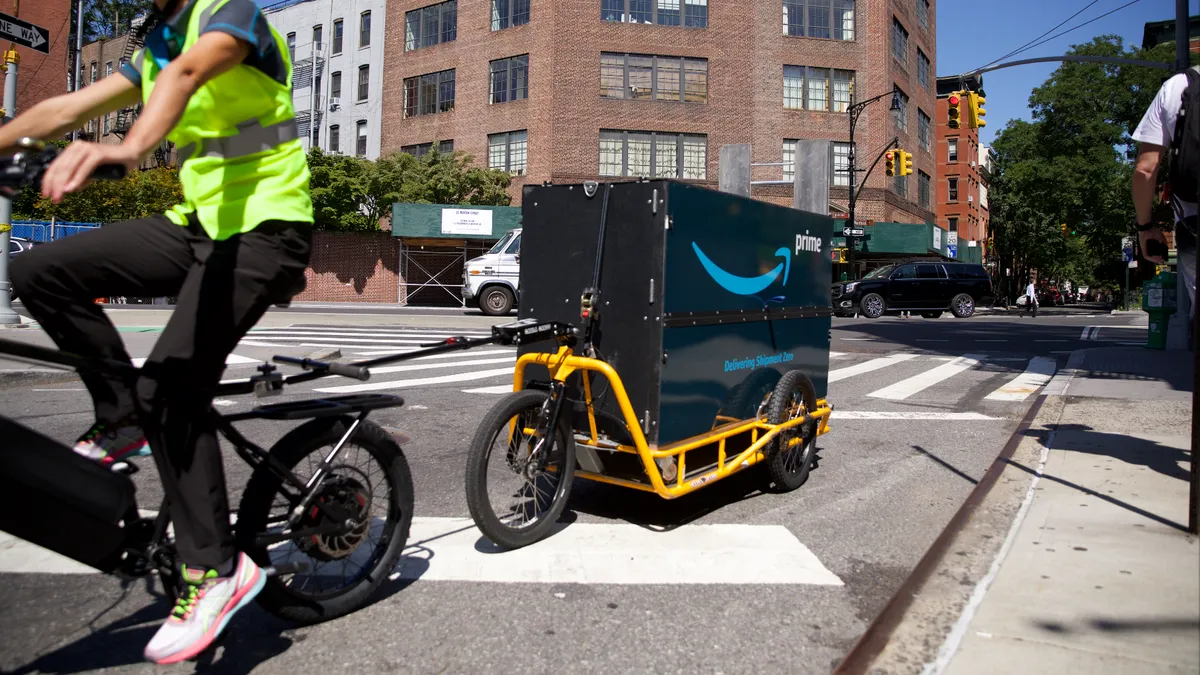
OpinionPreparing cities for a post-pandemic retail market
Trends that persist post-COVID will require sweeping infrastructure changes far beyond the ability of cities or retailers to implement alone.
By DeAnn Campbell • Oct. 2, 2020

 Previous