Jeff Kuhnhenn is a licensed and LEED-accredited architect and executive vice president of life and work places at Gresham Smith.
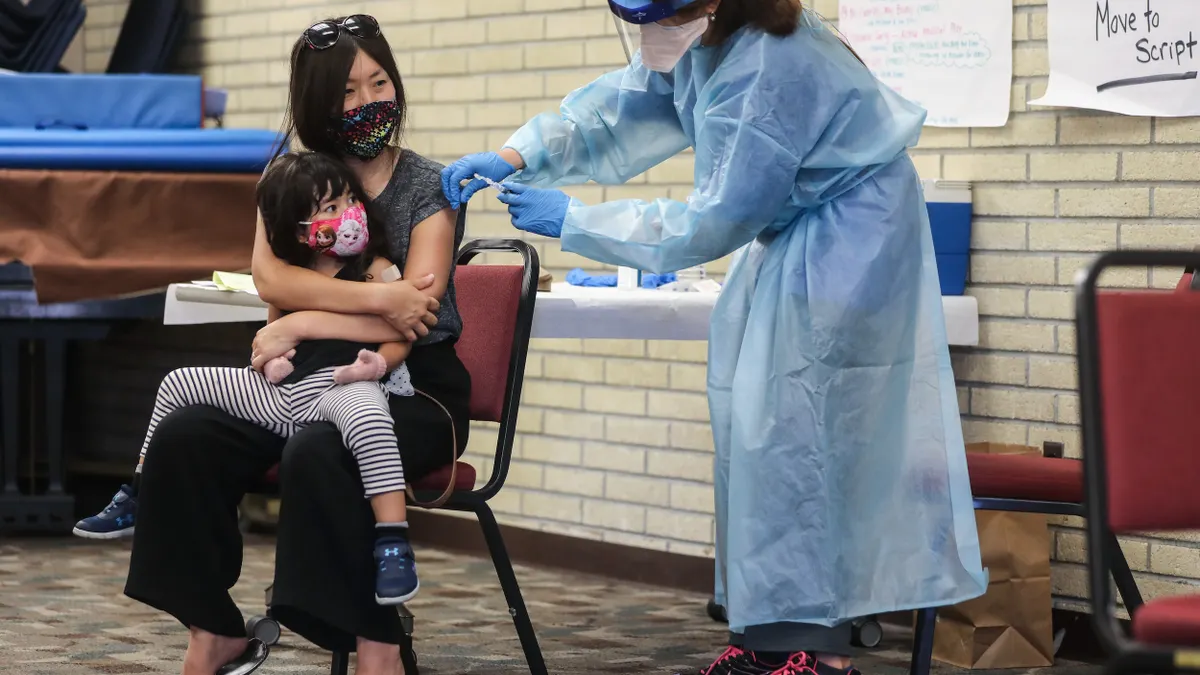
When the pandemic hit, libraries saved us. As schools and offices closed, libraries kept communities connected. They became vaccination centers and food distribution hubs as well as spaces for accessing information. They proved that “ordinary” civic buildings are anything but.
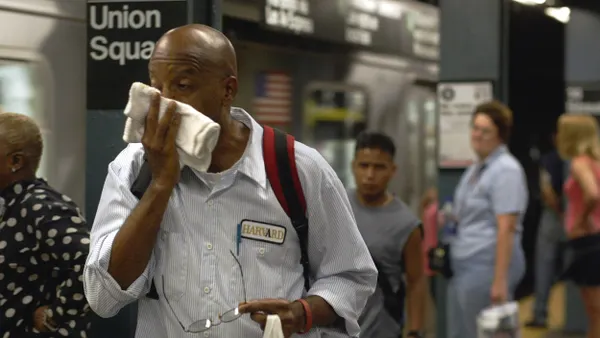
Yet the true potential of these facilities has only begun to be realized. A recreation center designed for basketball leagues could also shelter families during a heat wave. A city administration building conceived to process permits could seamlessly become a command post when the grid goes down. Perhaps we should stop calling them public buildings and start calling them what they truly are: public lifelines. They are where people turn when disaster strikes.
Leaders who design public facilities with this reality in mind are not only doing their jobs, they are creating stronger, more resilient futures for their residents.
Moving beyond compliance to resilience
Many public projects focus on meeting code compliance, and understandably so. Compliance sets the baseline for safe occupancy under normal conditions. It does little to ensure continuity when conditions change, however. Codes are also backward-looking, based on past climate data rather than future realities. But climate volatility is no longer abstract: Floods, wildfires and heat domes are increasingly common. A building designed for today’s weather conditions may already be at its limits in 10 or 15 years, as heat, storms and other pressures intensify.
Resilient design anticipates those shifts. A library with generator hookups becomes a sanctuary during power outages; a recreation center with adaptable restrooms provides a refuge when floodwaters rise; a city hall with resilient HVAC systems protects residents when wildfire smoke fills the air.
A simple transfer switch that allows the attachment of portable generators, planned into a building’s design stage, can transform a building into a refuge. Flexible furniture and circulation patterns can create order when distributing aid. Restrooms that convert to showers may sound like a luxury — until dozens of families show up after losing their homes. The cost of these measures is marginal. The value they bring is immeasurable.
Strategies that make buildings more sustainable also make them more resilient. In other words, they provide value daily, not just in emergencies. Daylighting reduces operational costs, but it also keeps facilities usable when the lights go out. Biophilic design improves well-being in normal times, and it enhances performance when staff are working under pressure. Water reuse may sound abstract, but it can reduce costs and, when the local water supply is disrupted, it can determine whether a building stays open or shuts down.
Thus, sustainability is not a line item to cut when budgets tighten. Solar, battery storage and water reuse systems are not just “nice-to-haves.” They are proven tools that keep facilities operating when it matters most — they are the foundation of responsible civic design.
What civic leaders can do now
Civic leaders can unlock new levels of potential within public facilities and dramatically enhance their community’s resilience by taking these three steps:
- Expand your vision. See libraries, rec centers and similar facilities not just as amenities, but as essential infrastructure.
- Institutionalize resilience assessments. Apply them across all civic facilities, not just law enforcement or emergency operations centers.
- Lead with possibility. The question isn’t whether resilience can fit the budget, it’s how communities can thrive when it’s built in.
Communities are already demonstrating the value of resilience. When rolling brownouts, extreme heat or flooding events arise, facilities designed for adaptability have stayed open and operational. The solution is not about more funding alone — it’s about vision and leadership.
Civic leaders don’t need extensive research or a roundtable to figure this out. You already know what works. The tools are available. The strategies are affordable. What’s needed now is shared vision among civic stakeholders who begin seeing public buildings — public lifelines — as the backbone of community resilience. In an age of compounding challenges, resilience isn’t optional, it’s the most promising path forward.