Dive Brief:
- Federal transportation funding from the 2021 Infrastructure Investment and Jobs Act expires tomorrow at midnight. A stopgap funding bill signed by President Donald Trump on Sept. 3 extends transportation programs funded by the Highway Trust Fund at fiscal year 2026 levels but does not continue the advance appropriations provided by the IIJA.
- The American Public Transportation Association estimates the stopgap measure would result in a 20% cut to public transit investment and an over 80% cut to passenger rail.
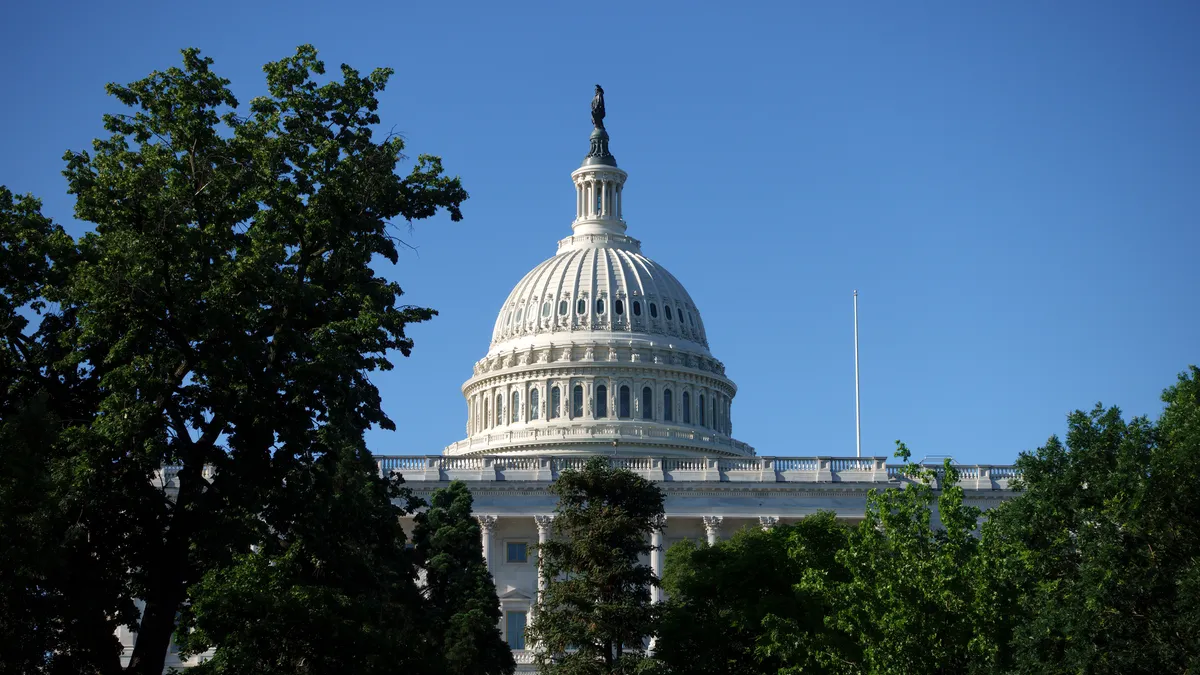
- The measure funds the government until Dec. 11. The House of Representatives went into recess on Sept. 17, and the Senate is expected to leave by the end of this week. Congress is not expected to return until Nov. 9, after the midterm elections.
Dive Insight:
The absence of new surface transportation legislation or continuance of the IIJA advance appropriations represents more than a decline in funding, according to APTA. “It will immediately disrupt and delay ongoing planning, engineering, and construction of surface transportation projects across the nation and inject uncertainty into future State and local investment decisions,” APTA President and CEO Paul Skoutelas said in a July 31 letter to House and Senate leaders.
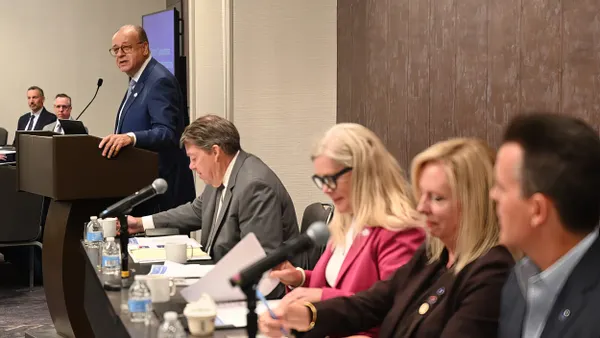
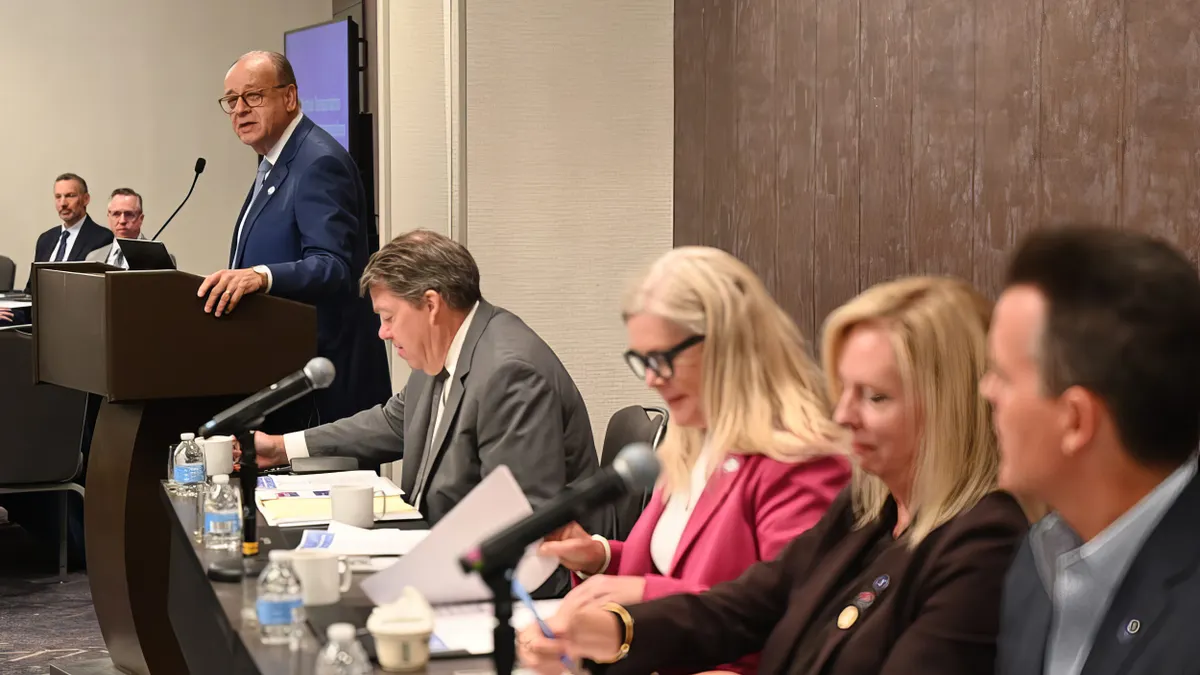
APTA leaders and public transportation officials met with members of Congress on Sept. 16, asking them to restore the advance appropriations. “Key public transit and passenger rail grant initiatives face significant reductions, with smaller communities and rural towns especially vulnerable,” APTA said in a press release.
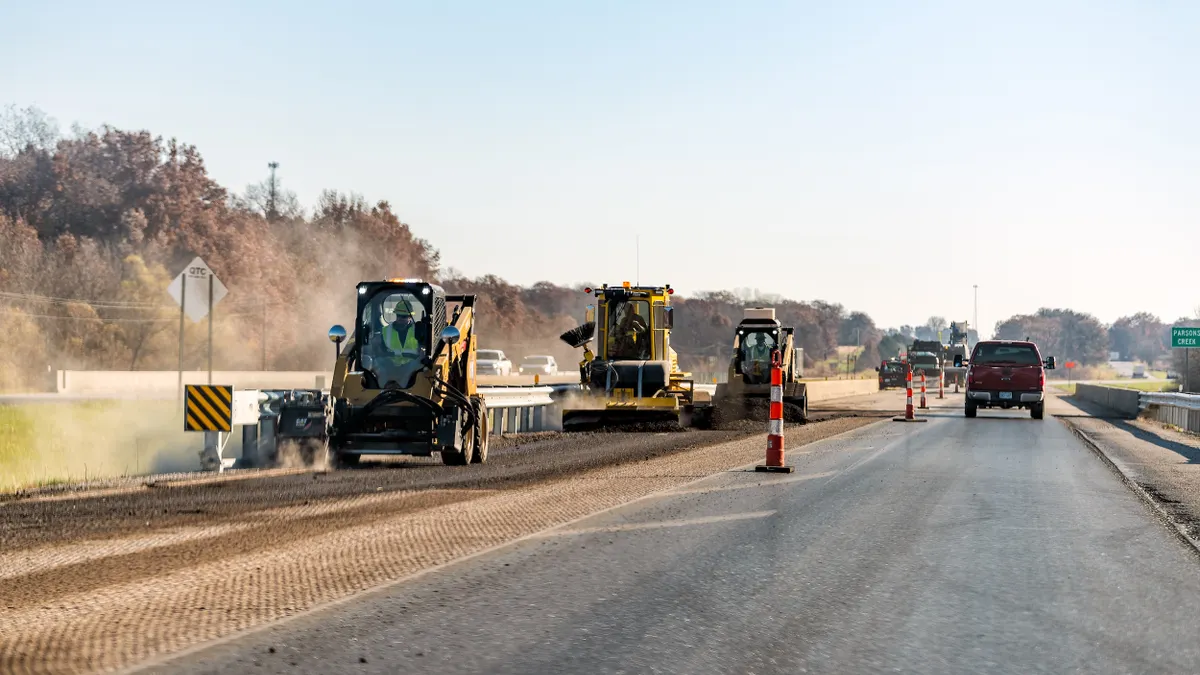
“Road funding isn’t spared either — despite an over $40 billion annual maintenance backlog, bridge funding will be cut significantly without any measures to prioritize roadway maintenance over expensive expansions,” Union of Concerned Scientists Senior Analyst Kevin Shen wrote in a Sept. 24 blog post. Funding for pedestrian and bicyclist safety programs was also cut, according to the UCS. Shen said that “transitions to a new Congress and a crisis over the debt limit … will add more challenges to transportation negotiations.”
“Uncertainty of both funding levels and availability will lead to postponement or slow-walking of new projects until a new bill is passed,” Thompson Research Group founding partner and COO Chris White said in an email to Smart Cities Dive. “The longer Congress takes to pass a new bill the longer it will take transportation agencies to re-engage.”