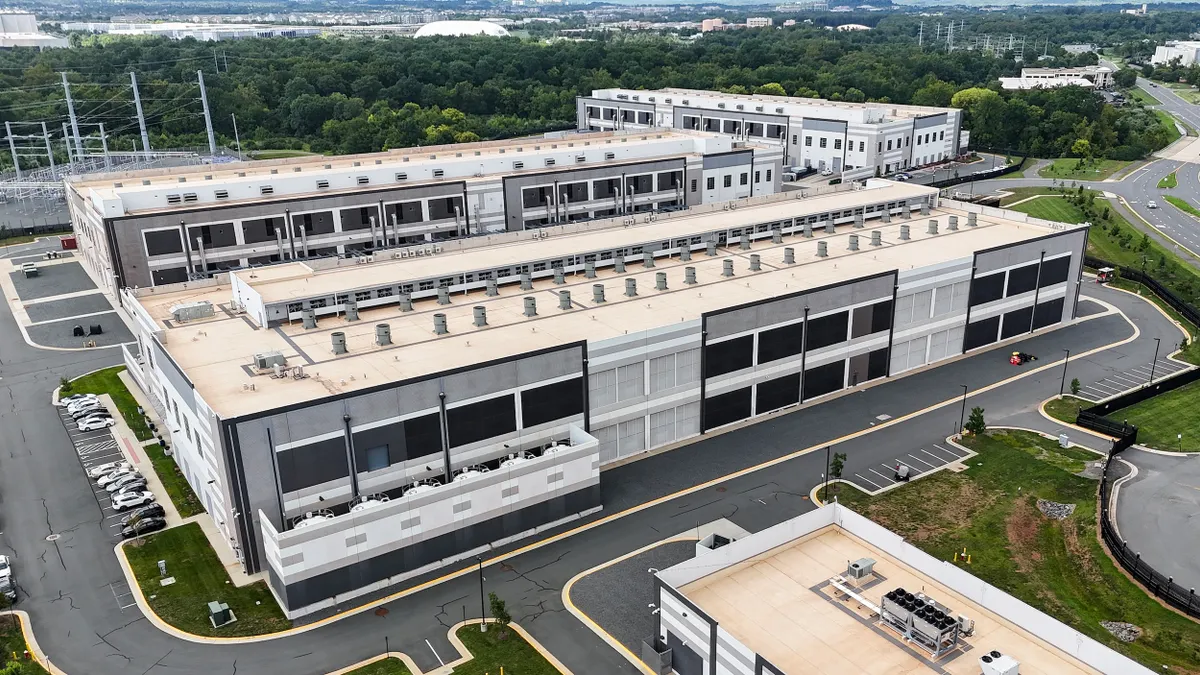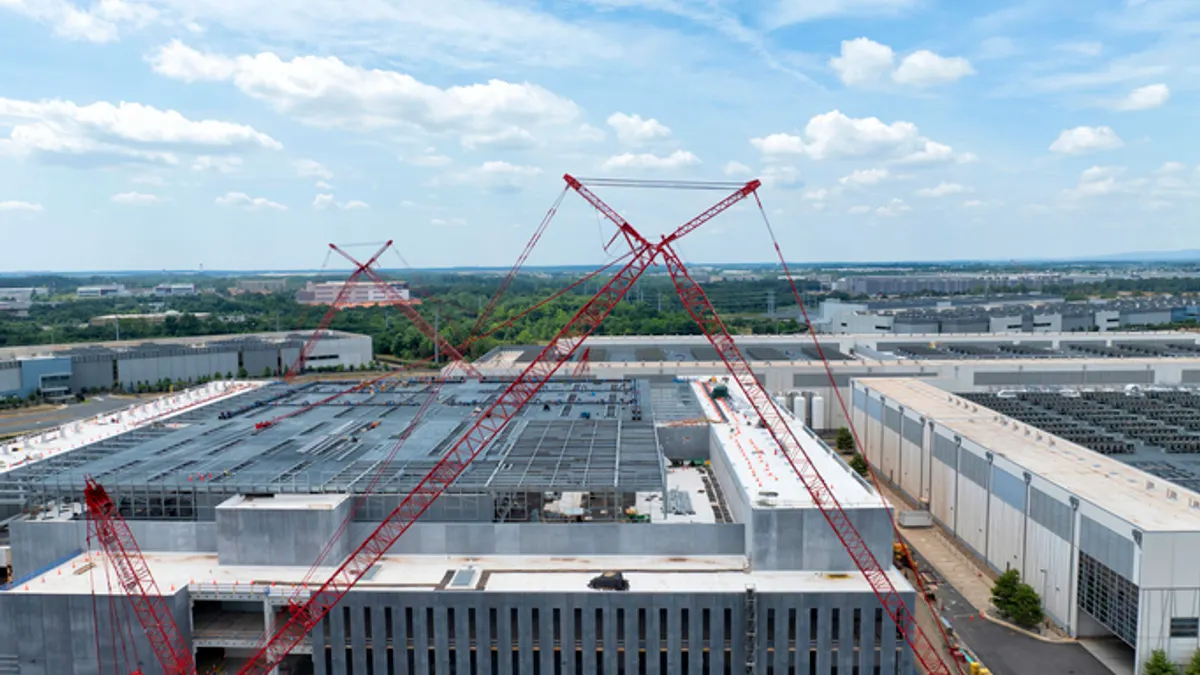
Pennsylvania Gov. Josh Shapiro on Tuesday signed an executive order establishing guardrails on data center developers “that will hold greedy developers accountable, stop bad projects and put more power back in the hands of local communities,” he said during a signing ceremony.
The Governor’s Responsible Infrastructure Development, or GRID, Standards outline steps data center developers must take to prove that proposed projects provide value to local communities and will be developed responsibly.
“We’ve seen an unacceptable number of speculative proposals for data centers swamp our commonwealth — many of them led by developers who have no regard for local communities,” Shapiro said. The speculators are “scaring our communities — being aggressive with township officials, bullying our neighbors and refusing to listen to the people of Pennsylvania,” he said.
The new standards require developers to provide a community outreach plan with commitments to hold public meetings and consult with municipal leaders “at a sufficiently early stage of the project to enable meaningful public input on key design decisions.” Developers must also provide a footprint report detailing:
- Who the end user will be
- Planned building size
- Campus acreage
- Estimated peak electric demand
- Annual water consumption
- Water source
- Percentage of electricity sourced from non-emitting resources
Developers “must respect our local communities by being transparent, hiring locally and offering a robust community benefits agreement,” Shapiro said. They must earn legal approval at the local level and are no longer allowed to use nondisclosure agreements, he added.
“Let me put it succinctly: If the local community doesn’t approve a project, the state won’t approve it, either,” he said.
Developers must commit to making at least $250 million in cumulative new investments and creating at least 200 prevailing-wage construction jobs. They must also submit hiring and workforce training plans that encourage local workforce participation, enter into community benefit agreements and make financial contributions toward local priorities. These agreements should address traffic, noise, lighting and air quality; emergency management coordination and aesthetic concerns, per the GRID Standards.
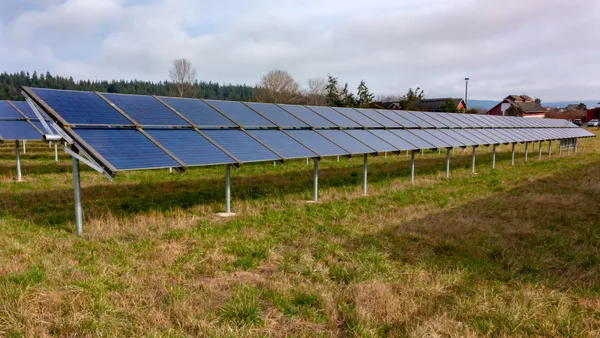
The standards also require developers to build, bring online or buy — at full cost — incremental electric capacity and pay all costs associated with interconnection, transmission, distribution, network upgrades, ancillary services and dedicated facilities caused by the data center’s electricity demand. By 2035, up to 32% of the energy used must be from clean energy resources located in Pennsylvania.
In addition, developers must meet state constitutional requirements “to protect our clean air and pure water in this commonwealth by committing to the highest standards of environmental protection,” Shapiro said. Developers must submit sustainability plans detailing how they will use advanced technology and green building certifications to limit water and energy consumption.
Shapiro also removed data centers from the state’s Fast Track permitting program, which streamlines permitting for high-impact economic development and infrastructure projects, and disqualified developers who refuse to comply with GRID standards from receiving existing sales tax exemptions on data center equipment.
Shapiro introduced the GRID standards in his 2026-27 budget address in February. The Pennsylvania House of Representatives passed the requirements as legislation in a bipartisan vote, but the Senate refused to take it up, Shapiro said.
“The absence of legislative approval has left me with no other option but to protect the people of Pennsylvania by taking executive action to put the strictest guardrails in the nation in place to stop the predatory developers and bad proposals,” he said.