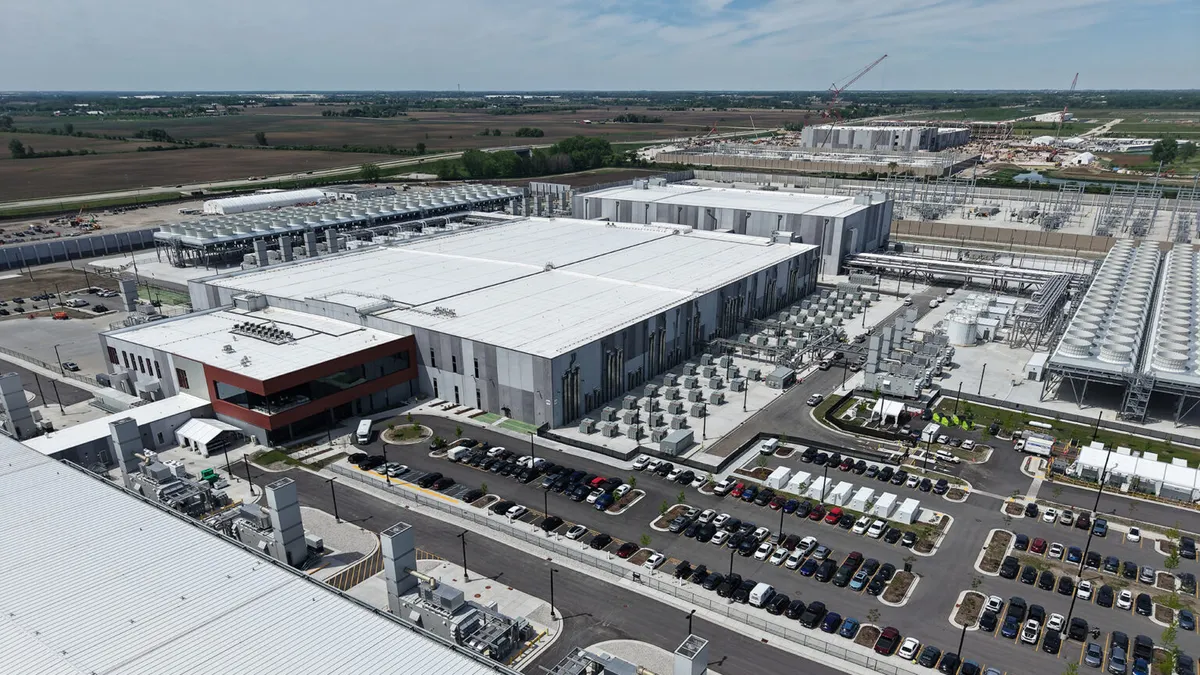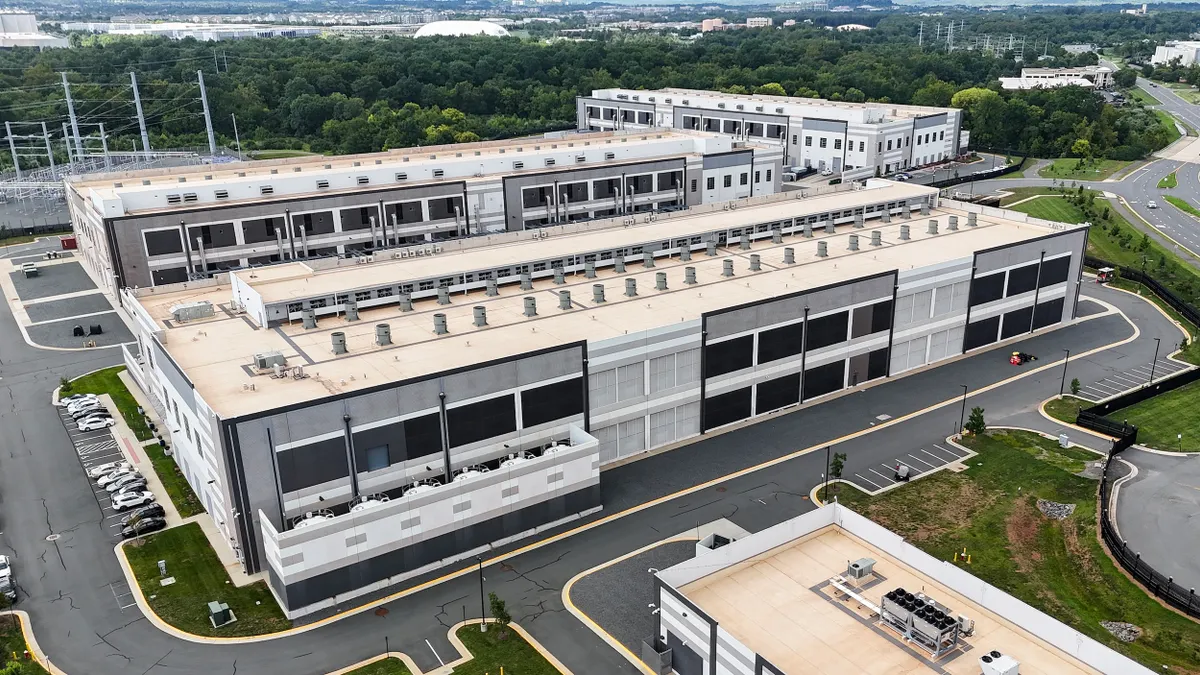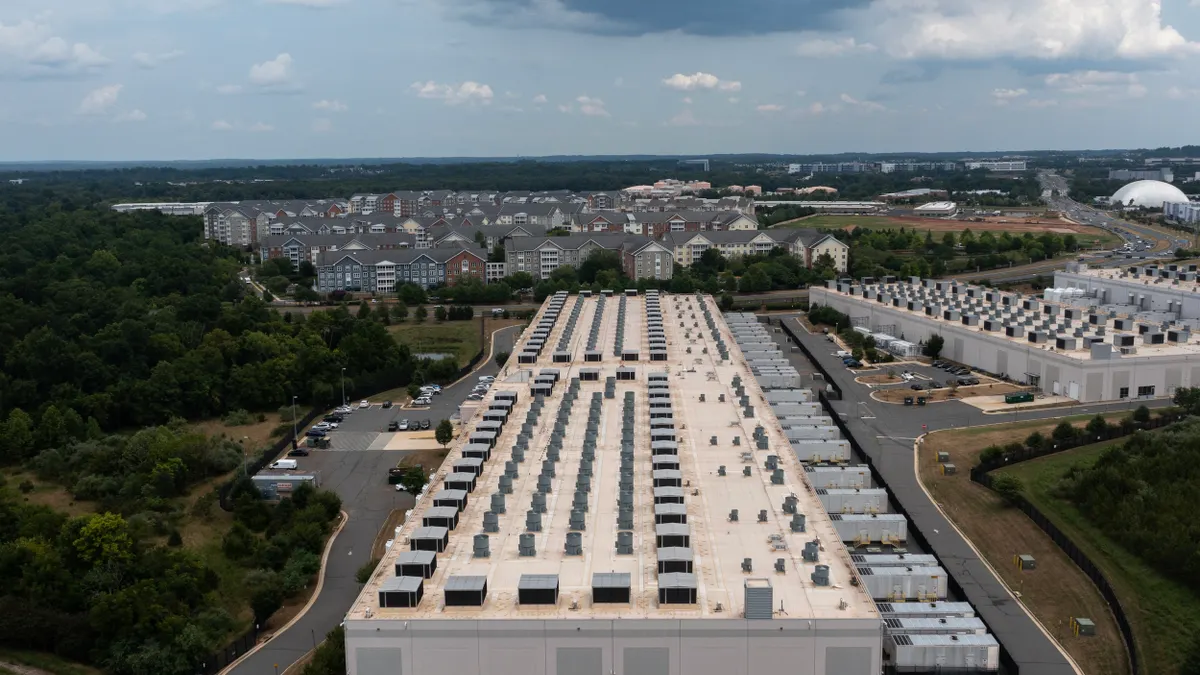
A two-to-one vote last week to restrict data centers in a Milwaukee suburb may be a harbinger of future regulations as communities across the U.S. push back against data centers and local leaders scramble to figure out how much authority they have to respond.
With more than 4,000 data centers already operating and 3,000 more planned or under construction, state and local governments are facing mounting public pressure to assert control over where and how this infrastructure gets built. But experts say cities don’t always have the legal authority to act, and blunt tools like moratoriums and referendums may create as many problems as they resolve.
Last week, three significant actions signaled how quickly the political landscape around data centers is shifting. Voters in Port Washington, Wisconsin, overwhelmingly approved the first-of-its-kind referendum requiring city leaders to get voter approval before awarding tax incentives for projects over $10 million, including data centers. In Maine, the state legislature approved the nation’s first statewide moratorium on data center construction. And last Thursday, a bipartisan coalition of governors called on grid operator PJM Interconnection to require data centers to cover the full costs they impose on the grid.
On Tuesday, the Board of Supervisors in Prince William County, Virginia, voted to end a legal battle with a residents’ group over bringing a data center hub to the area. Following the decision, Mac Haddow, president of the Oak Valley Homeowners Association, said in a statement released to local media that residents would have suffered “from the unchecked and predatory expansion efforts of a multi-billion-dollar global data center industry,"
Communities raise their voices
“Clearly, the public has turned against data centers as the environmental costs and impacts of them become better understood,” Sheila Foster, a Columbia Climate School professor, said in an email. The Port Washington vote will serve as a template for other communities that share similar concerns, she said.
“Large-scale infrastructure development has long been an area where residents push for a stronger voice,” Foster said, leading to more referendum-driven community benefit agreements like Detroit’s Community Benefits Ordinance, which requires developers to proactively engage with the community to identify benefits and address potential negative impacts of certain development projects.
The Port Washington referendum was “in part, a specific response tied to AI infrastructure and the energy transition, but, in part, a longstanding desire by local communities to have a voice in what gets built in their neighborhoods or in areas proximate to them,” Foster said.
Great Lakes Neighbors United, a community advocacy group, brought the referendum to voters amid a fight against an $8 billion data center complex approved by the city’s common council in August. On the website saveportwashington.com, the group states the city approved the project, which would be powered by “immense amounts of electricity and cooled by millions of gallons of water drawn from Lake Michigan through our municipal system,” with limited notice and public hearings and without a published impact study.
“A local moratorium on data centers would discourage further investment in Port Washington, both from the data center industry and other advanced industries that depend on predictability and a welcoming business climate when making multibillion-dollar investments,” Brad Tietz, director of state policy for the Data Center Coalition, said in an emailed statement after last week’s vote. “The data center industry remains committed to working with communities, local officials, and state and federal policymakers, including in Wisconsin, to ensure the continued responsible development of this critical industry.”
Why public pushback matters
As the two-thirds majority vote in Port Washington suggests, voters are highly likely to “vote against the data center community” when the question is put in front of them, said Ishyan Veluppillai, who tracks state and local data center policy for energy companies and investors at investment advisor group Capstone.
The Port Washington referendum and Maine legislation are not isolated incidents, Veluppillai said. In some markets — especially places that have already seen a lot of data center growth — public sentiment against data centers is politically powerful.
Voters are largely concerned about road infrastructure and noise and air pollution from data centers, he said, but cities don’t always have full control over whether data centers can be banned or heavily restricted. In some states, local governments can’t outlaw data centers without state permission, while others — like South Dakota — have passed legislation to preserve significant local authority, Veluppillai said.
Sentiment against data centers tends to be highest in areas where they’re oversaturated, such as northern Virginia and Ohio, which can be a red flag for data center developers because it brings the possibility of greater public pushback and political risk, Veluppillai said.
In Virginia, leaders are struggling to agree on how to balance economic development, affordability and data center policy, as a Senate budget proposal to phase out the state’s sales and use tax exemption for data centers illustrates. Large load tariffs, which require data centers to pay more of the energy costs they drive, are also emerging as a policy tool, Veluppillai said.
Structure deals for community benefit
The biggest issue with moratoriums and referendums like Port Washington’s is that they’re not very precise and could end up being litigated through utility commissions or states, Veluppillai said. “Are you creating even more problems by not being prescriptive enough and thinking, Oh, we’re wiping our hands clean of this issue, but not thinking five years ahead?”
Local leaders need to think strategically — not just about whether to allow data centers in their communities, but how to structure deals so the community gets benefits without absorbing too much cost or risk, he said. For example, community benefit plans ensure that developers are contributing to the tax base and paying for infrastructure upgrades, as well as unrelated projects like libraries and schools.
“There are good examples of how cities or other political subdivisions can really work with data centers in a constructive manner, and I do think that exists --- that even with this pushback, there are areas of this country where that process works really well, and that’s why you still have data centers coming online,” Veluppillai said.
Mayors should reach out to impacted communities early in the consideration process for data centers, Foster from Columbia Climate School said, with a transparent process “that fully enables them to understand the project’s benefits and risks.” She also recommends “a negotiated community benefit process with strong local community representation and enforceable mechanisms.”