The authors are mobility and transport experts at Arthur D. Little.
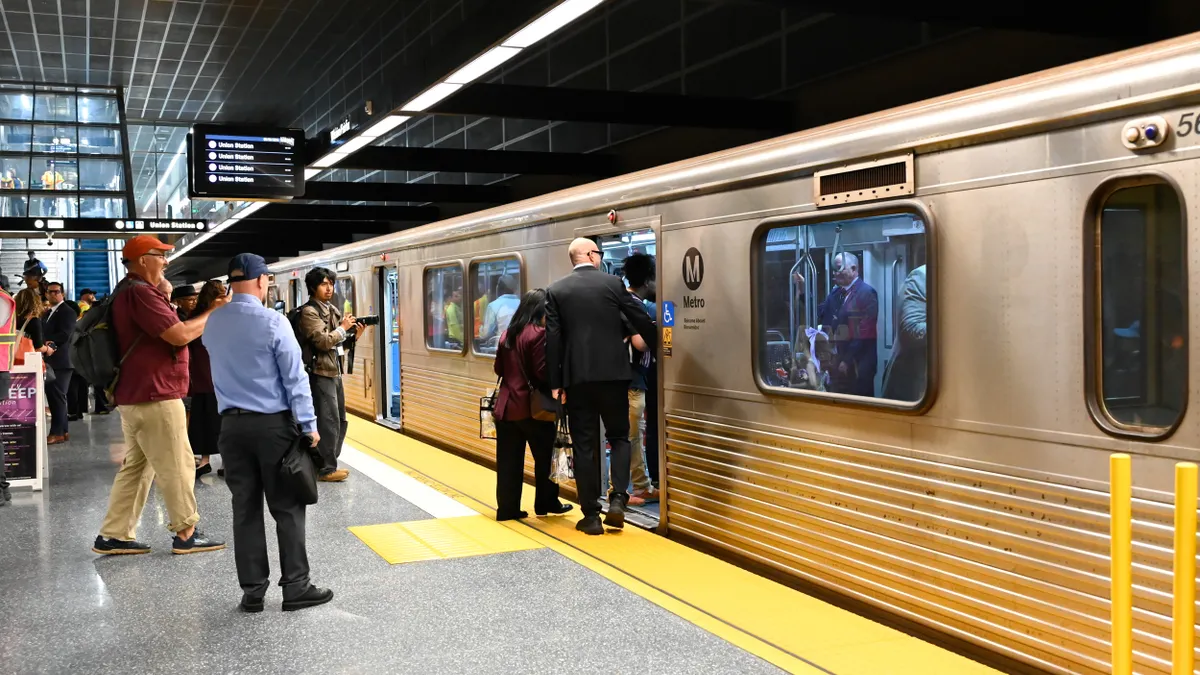
Imagine a city where private car ownership is optional: metros, buses and trains are just a tap away; bikes, scooters and other micromobility options are docked nearby; and self-driving cars are ready when you need them.
For years, the promised deployment of new mobility solutions — such as mobility-as-a-service, micro- and shared mobility and autonomous vehicles — alongside urban policies focused on ”cities of proximity” and climate change mitigation, have held out the prospect of this future. Yet an Arthur D. Little analysis found that car trips still account for around 70% of all miles traveled in urban areas and about 90% in rural areas.
Overcoming the barriers to mobility systems is vital. A joint Arthur D. Little/POLIS study, The Future of Mobility 5.0, provides a deep dive into key challenges and highlights promising solutions to overcome them.
The solutions necessary for a transformative shift toward urban mobility are within our grasp. Clear game changers to accelerate the transition have already been identified. With comprehensive implementation, appropriate funding and robust governance, the following eight high-impact solutions could potentially double the global share of sustainable mobility from approximately 30% to 60% of passenger miles within the next decade.
Climate change mitigation
Mitigating climate change’s impact requires a more coordinated policy approach with transport electrification complemented by other levers. This requires a three-step framework: avoid, shift and improve.
Avoid: Reduce demand by encouraging drivers to eliminate unnecessary car trips, shortening travel distances and employing behavioral change strategies.
Shift: Move to less energy-intensive mobility, away from private cars toward mass public transport, active mobility and new mobility modes.
Improve: If the default mode remains a private car, journeys need to be made as sustainable as possible through electrification, better energy efficiency and alternative fuels.
“City of proximity” concepts
Reshaping mobility behaviors requires reshaping public spaces away from a century of car-centric transport policies. Implementing “city of proximity” urban spatial-planning concepts such as the “15-minute city” creates more sustainable, livable and healthier cities.
City authorities should look to deploy this concept at scale, with emphasis on measuring systemic impacts.
Dimensioning public transport
Improving mobility supply is about providing the right mix of services to meet user needs, achieve sustainable mobility policy objectives, optimize people flows and effectively use existing assets.
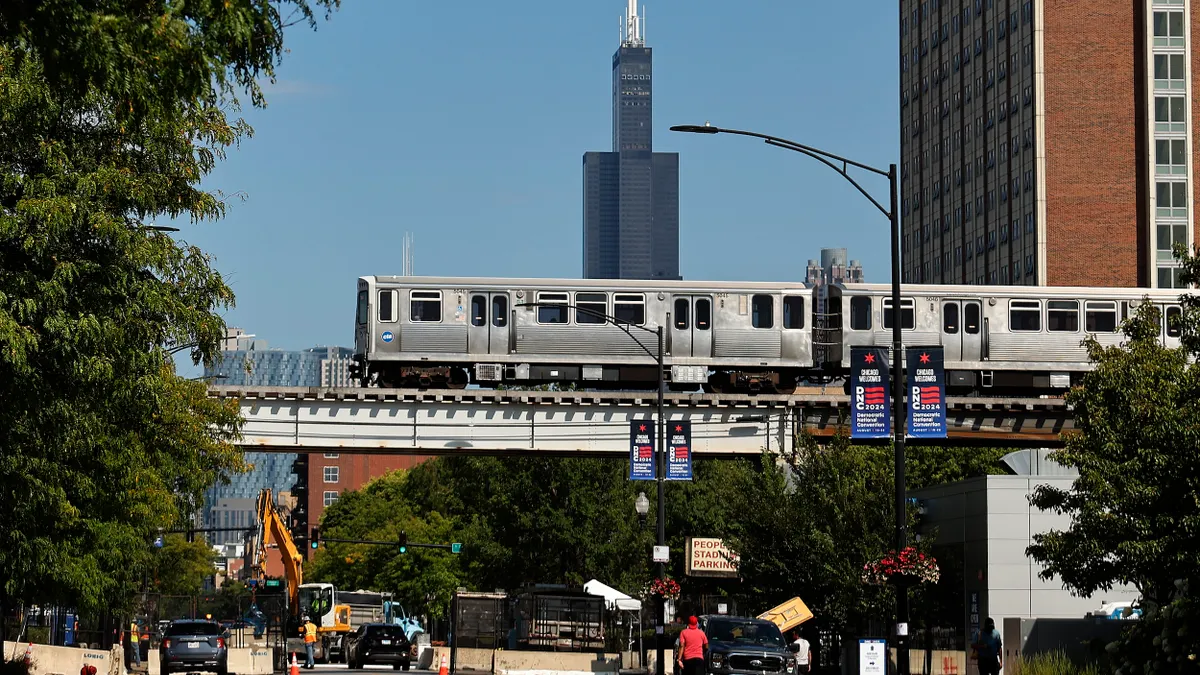
Authorities should develop multimodal masterplans and prioritize transport services according to their performance and affordability. That means further development of mass transit as the “backbone” of the system whenever traffic density justifies investment. It also means encouraging active and micromobility services for shorter trips and shared and on-demand motorized mobility for longer-distance travel and travel in lower-density areas where investment in mass transit is not justified.
New mobility (micro, shared and on-demand)
Micromobility services such as e-scooters and e-bikes, as well as shared mobility options like car-sharing and ride-hailing, are experiencing relatively strong demand. There is also a clear willingness to pay for car-sharing and ride-hailing when these services are properly positioned. While private cars will remain part of the mobility mix, stronger integration between mass transit operators and new mobility providers is essential to accelerate the shift away from default reliance on private cars for every trip
Mobility-as-a-service
The MaaS concept, which allows consumers to plan, book, pay for and access various mobility services through a single digital platform, is not new. However, despite some progress, its overall expansion has been sluggish. This is primarily due to most MaaS implementations adopting a one-size-fits-all, technology-centric approach without adequately addressing the needs of users, service providers or authorities.
MaaS has to evolve beyond acting as an “umbrella app” for existing services. It should offer added value, benefit both customers and cities, cater to specific target groups and support broader mobility goals.
Autonomous mobility
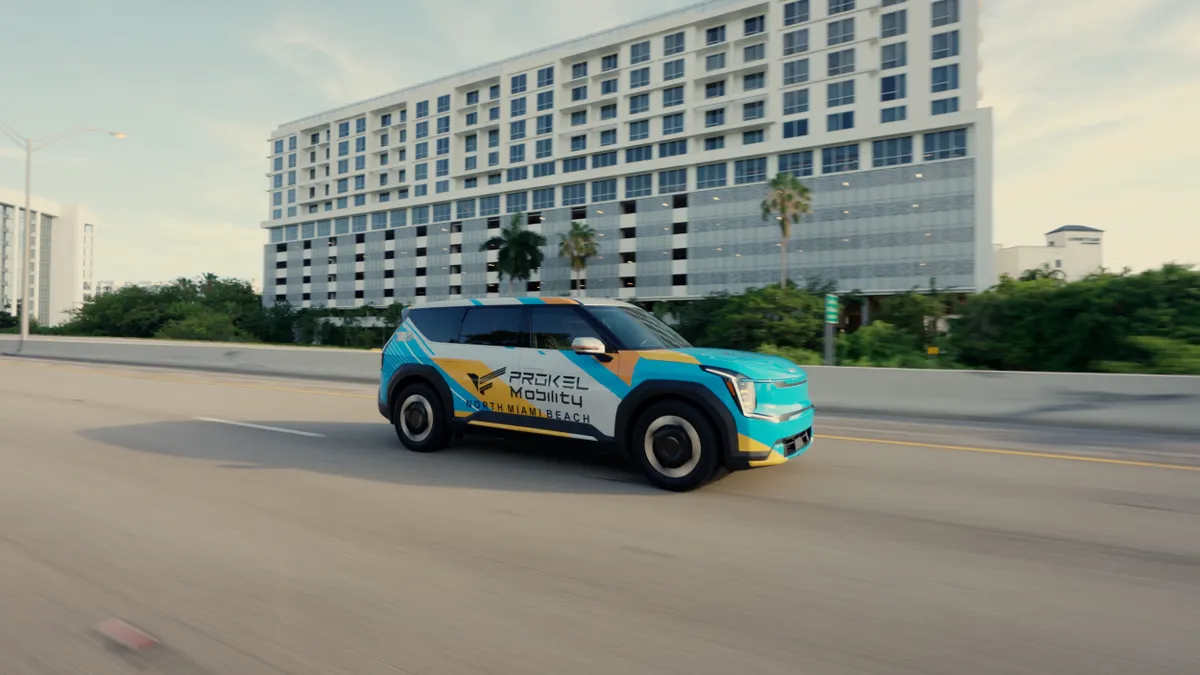
Across the globe, self-driving autonomous vehicles are becoming increasingly common. Technology is maturing, ride prices are falling and usage is spreading within existing and new markets. Overall, trust in AVs is growing, driving their adoption, whether replacing traditional taxis and delivery services or providing first- and last-mile solutions to and from public transport hubs such as train stations and subways.
For AVs to deliver real mobility benefits, however, cities need to answer a fundamental question: What is the self-driving car’s value? Cities must play the dual roles of regulator and enabler by creating pathways for their fair and safe usage, defining clear policy objectives such as reducing vehicle miles traveled and establishing measurable pathways to achieve them.
Mobility demand and access-management measures
Prioritizing a shift toward sustainable mobility behaviors is crucial for enhancing transportation systems. Arthur D. Little analysis shows that the availability of alternative mobility services influences only about 30% of people to abandon personal cars. The other 70% must be addressed through effective demand-management strategies.
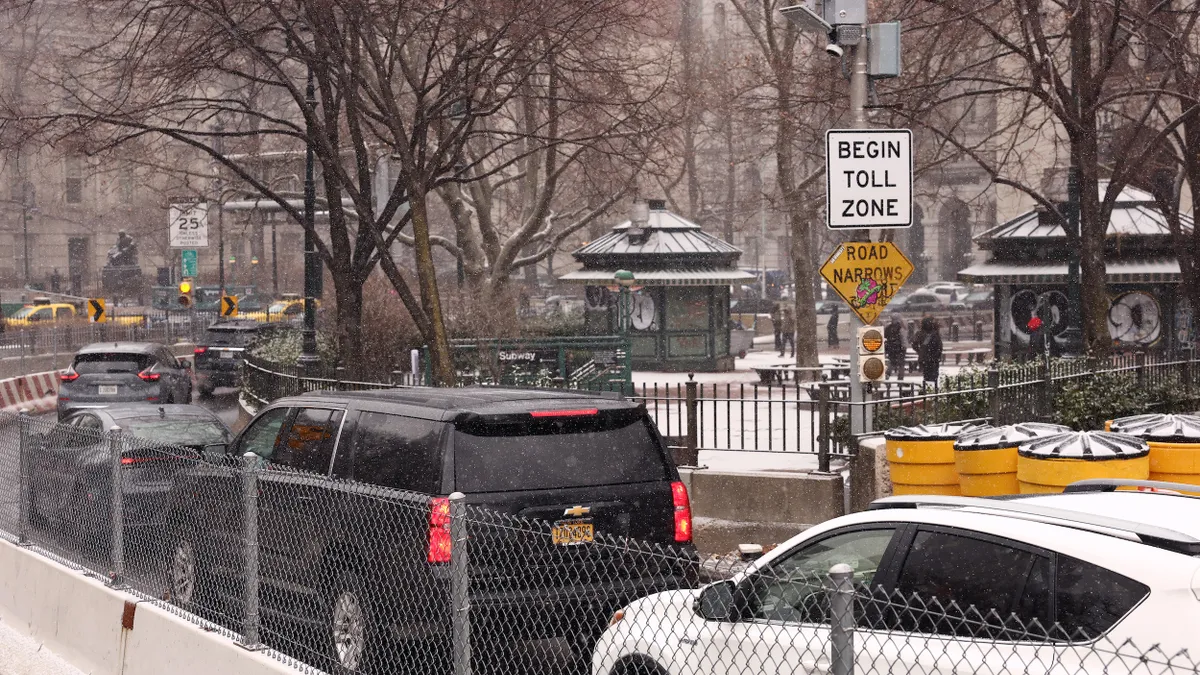
The study examined 40 potential mobility-demand measures and found that while some high-impact options — such as urban planning and dynamic tools like congestion pricing — can be challenging and expensive to implement, other effective measures are more feasible. These include regulatory actions aimed at reducing cars and freight in urban areas such as low-emission zones, freight transport restrictions and parking regulations, specific infrastructure initiatives such as intermodal mobility hubs, personal travel-management measures including smart parking solutions and marketing strategies that promote sustainable mobility.
Rethinking the mobility funding equation
Expanding mass transit, especially into less densely populated areas, requires significant investment because of higher marginal costs per passenger. Similarly, transitioning to net zero and enhancing resilience requires considerable financial resources for fleet electrification, new e-vehicle infrastructure and the maintenance or replacement of existing infrastructure. Solving the financing gap will require concerted efforts to both identify new funding sources and enhance expenditure effectiveness and efficiency.