The robotaxi wars are heating up.
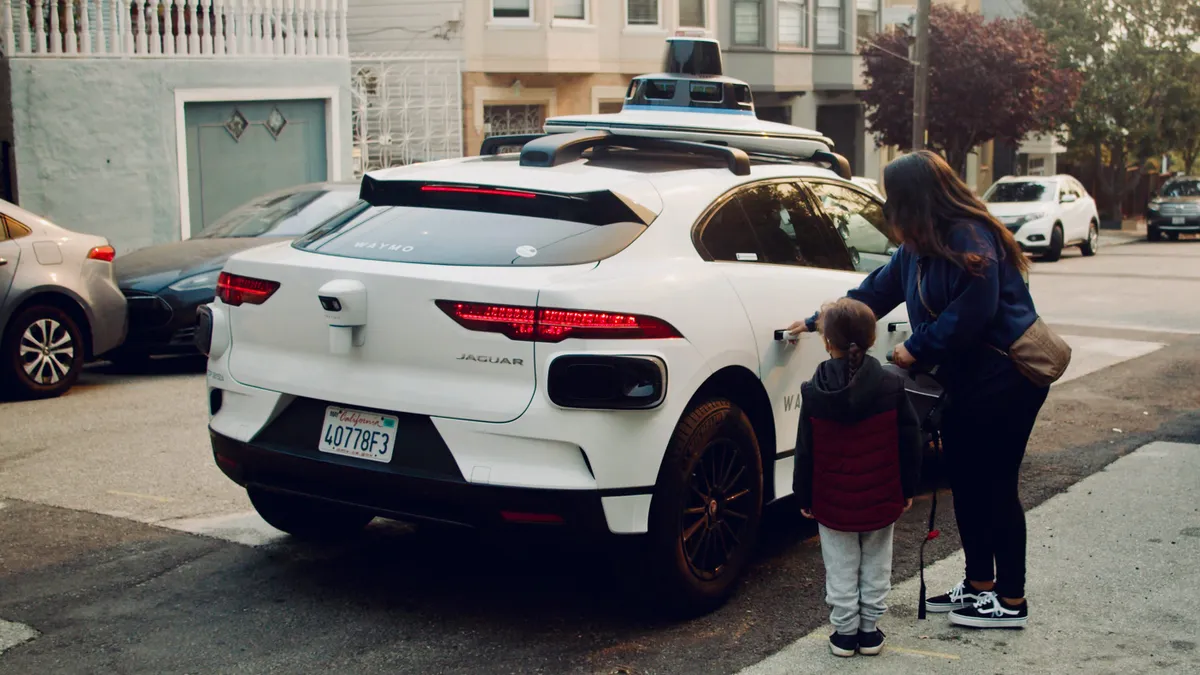
Waymo is expected to end its partnership with Uber in Atlanta and Austin, Texas, in 2028, according to multiple media reports. Waymo robotaxis have been available in those cities through the Uber app since 2025. The two ride-hailing companies dissolved their three-year partnership in Phoenix in May, according to the Financial Times.
Uber plans to begin robotaxi rides using Lucid vehicles in Los Angeles and the San Francisco Bay Area this year, CEO and Director Dara Khosrowshahi said during the company’s Aug. 5 earnings call. Uber plans to source up to 20,000 Lucid electric vehicles outfitted with self-driving technology and has ordered 10,000 Rivian robotaxis with an option for 40,000 more to be deployed beginning in 2028.
What does that mean for cities and the outlook for robotaxi companies?
Uber recognizes the challenge that Waymo and autonomous vehicles present and is “trying to protect their business,” Arthur D. Little Partner Frank McCleary told Smart Cities Dive. While Uber operates in many more cities, Waymo is the leader in robotaxi operations. Uber wouldn’t be investing in robotaxis “if they didn't see long-term that [Waymo] could affect their revenue,” he said.
Building out AV fleets comes with a high capital cost, McCleary said. Driver-based services like Uber and Lyft shift vehicle costs onto the driver-owner and allow the number of vehicles available at any given time to rise and fall with demand.
Drivers “know when they can make the most money, and they're going to work those hours,” McCleary said. They can also do food or package deliveries “through Uber Eats or DoorDash or something else.”
Khosrowshahi said last year that robotaxis could generate higher revenue than human drivers, but he envisions “a hybrid future, seamlessly integrating human drivers and autonomous vehicles into a single marketplace, giving us unmatched flexibility and efficiency.”
Waymo has used its partnerships with Uber, and with Lyft in Nashville, Tennessee, to familiarize riders with driverless vehicles. The partnerships help to create a “transition plan for municipalities to be able to sell to their constituents that this is not going to kill all sorts of jobs,” McCleary said.
Right now, “Waymo has a nice strong lead” in robotaxis, McCleary said. But he also noted other companies, including Zoox, Mobileye and Tesla, are planning to operate or expand robotaxi services. “You may see a new marriage between Waymo and Lyft,” he said.
Lyft CEO John Risher said in November that he likes the “economics of AVs a lot,” but traditional owner-drivers will continue to play a part. “This is really the argument for the big thing, which is a hybrid network,” he said.
Robotaxis have racked up their share of safety incidents, including speeding past stopped school buses and driving into active crime scenes and flooded streets.
As more robotaxis from more companies arrive on city streets, customer acceptance, pushback from organized labor and local or federal regulations may be met with lobbying efforts from Uber and Waymo, McCleary said. “How much fuel does Waymo want to keep putting on the fire?”