
Cities across the country are advancing policies designed to strengthen housing, reduce disaster losses and improve long-term community resilience. Stronger building codes, mitigation grants and insurance incentives are increasingly aligned around one goal: encouraging construction practices proven to perform better in severe weather.
As state and municipal leaders seek to incentivize construction that can withstand hurricanes, high winds and hail, the need for contractors with specialized training naturally increases. Turning policy momentum into real-world impact depends on having a skilled workforce ready to deliver resilient solutions at scale. A first-of-its-kind, national alliance between the Insurance Institute for Business & Home Safety (IBHS) and GAF, North America’s largest roofing and waterproofing manufacturer, has helped expand access to the FORTIFIED Roof™ program nationwide. Last year, approximately one-third of newly designated FORTIFIED™ homes were built using GAF shingles, reflecting the growing role GAF-trained contractors and products play in advancing resilient construction.
That milestone also highlights a positive trend for urban leaders: policies that promote resilient construction are working—and industry partnerships are scaling the workforce needed to support them.
From storm repair to risk reduction
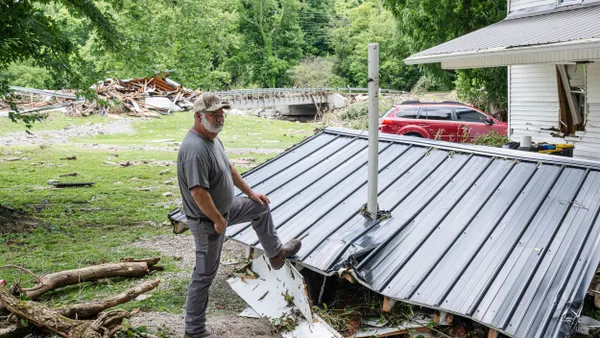
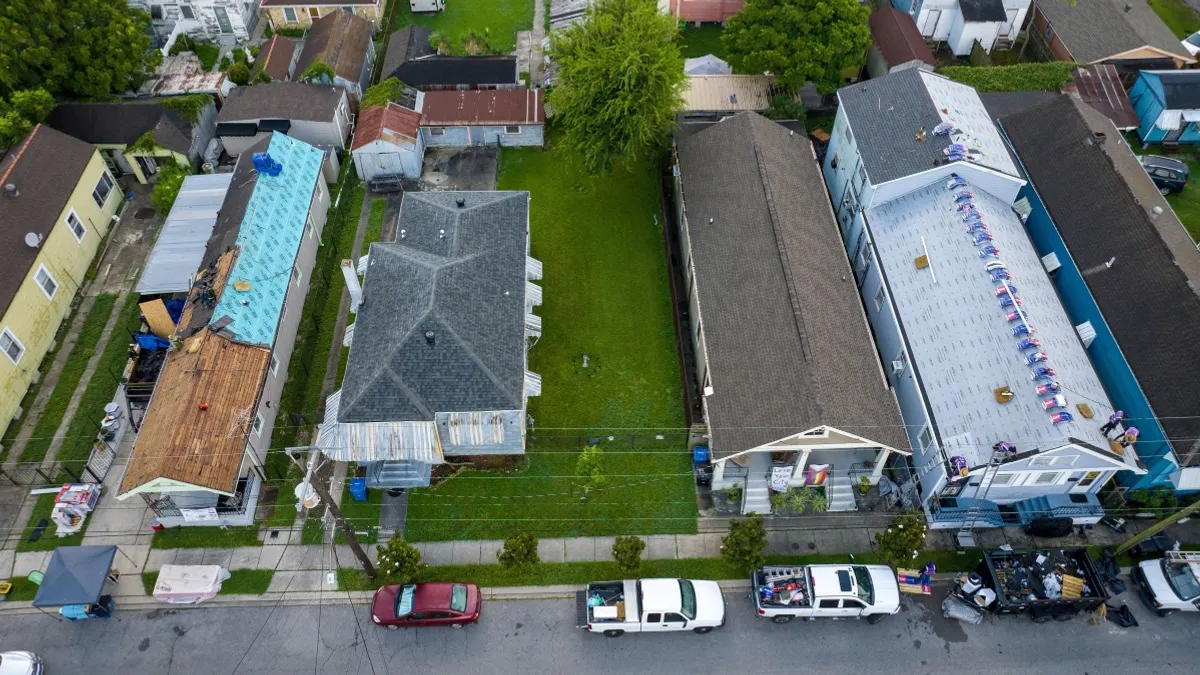
Roof damage remains one of the leading drivers of post-storm insurance claims and housing disruption. When roofs fail, water intrusion can trigger structural damage, interior loss, displacement and prolonged recovery timelines.
The FORTIFIED standard for roofing, developed by IBHS, establishes beyond-code performance requirements to strengthen roof decks, reinforce critical attachment points and reduce vulnerability to wind-driven rain. Research following major storms has shown that homes built to the FORTIFIED™ standard can experience reduced damage compared to conventional construction, with one study finding up to a 74% reduction in loss frequency compared with conventional construction. But performance depends on the correct installation.
“To limit storm damage and speed recovery, communities across the country are increasingly adopting policies that encourage resilient construction,” said Fred Malik, Managing Director of the FORTIFIED program at IBHS. “The FORTIFIED standard provides the roadmap, yet trained contractors and documented installations are critical to ensure requirements are delivered consistently.”
For cities investing in stronger housing stock, installation quality determines whether policy goals translate into measurable reductions in damage, claims and recovery costs.

Scaling policy through workforce development
States including Alabama, Kentucky, Texas, Florida, Louisiana, North Carolina, Oklahoma and Mississippi offer insurance discounts, grants or other financial incentives tied to FORTIFIED™ upgrades. These programs are helping homeowners, insurers and governments align around risk reduction—while also driving demand for specialized construction expertise. As these incentives expand, workforce development plays a key role in supporting steady, efficient implementation. Homeowners seeking FORTIFIED upgrades, and municipalities setting resilience targets, increasingly benefit from having a growing pool of trained contractors ready to respond.
To foster that momentum, GAF deployed its Center for the Advancement of Roofing Excellence (CARE) training platform nationwide. The initiative helps contractors gain the skills needed to install FORTIFIED Roof systems accurately and consistently—supporting both quality outcomes and broader program adoption.
“The roofing industry is shifting from reactive storm repair to proactive risk mitigation,” said Mike Thomas, Director of External Learning & Development, Storm Restoration at GAF. “Training ensures contractors can deliver stronger roof systems consistently and at scale to support communities before the next storm hits.”
Since establishing an alliance with IBHS in 2025, GAF has trained more than 1,100 roofing professionals to install FORTIFIED™ Roof systems. This includes contractors from more than 600 GAF Master Elite® companies, a designation awarded to a small percentage of roofing contractors who meet stringent certification, training and performance requirements, further strengthening the pipeline of installers.
Building capacity before the next storm
Urban resilience strategies often focus on engineering solutions and funding mechanisms. Increasingly, workforce readiness is proving to be a powerful complement—helping communities translate policy ambition into action.
Unlike major infrastructure projects that require multi-year planning cycles, roof upgrades can be deployed across existing neighborhoods incrementally. Each installation strengthens an individual's home. Multiplied across hundreds or thousands of properties, those improvements can shorten post-storm recovery timelines and reduce strain on local emergency response and insurance systems after severe weather events.
As cities look to strengthen housing and stabilize insurance markets, aligning policy incentives with workforce training may be one of the most practical steps available because resilience is not just about what policy enables. It is about what communities can build.
For more information about the FORTIFIED™ Roof Program and GAF products, warranty and training, visit www.GAF.com/FORTIFIED.