The American Dream is alive and well — though it has evolved with the times — and it’s up to local government leaders to deliver it, according to a report released this week by the McKinsey Institute for Economic Mobility and the W.K. Kellogg Foundation.
“Whether you’re looking at Birmingham, Alabama, or Dayton or Fresno or Philadelphia, people are saying they want the same set of things: I want to be more financially secure. I want to get ahead. I want more cushion to support my family because it’s feeling increasingly strained. I want better health,” John-Paul Julien, a partner at McKinsey and the report’s co-author, said Tuesday during a webinar to discuss the report.
Researchers surveyed more than 30,000 adults across all 50 states and conducted interviews and focus groups for the report examining how U.S. households experience economic mobility. They found that while a home with the proverbial white picket fence is still sought-after, today’s concept of “a better life” is also about health, a sense of belonging and feeling in control of the future.
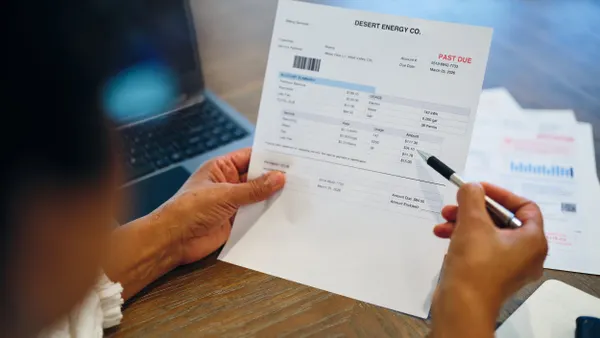
About six in 10 respondents said having more financial security in the next three to five years would improve their lives, and 60% said the cost of living is among their top three challenges, the survey found. “Notably, these concerns are not isolated to lower-income respondents,” the report states. Respondents with household incomes higher than $150,000 were slightly more likely than those earning less than $50,000 to cite cost of living as a barrier to progress (59% vs. 57%).
Young adults want better jobs so they can live independently and afford their own homes, according to the report. Parents said the rising cost of living is their biggest challenge, with mothers more likely than fathers to cite caregiving as a barrier to achieving goals and fathers pointing to a lack of career growth. People nearing retirement, meanwhile, are most concerned about being able to age in place without becoming a burden on their family and friends.
Urban dwellers were about 1.3 times more likely than rural residents to prioritize affordable housing as a change that would improve opportunity in their communities.
Addressing these challenges falls to government leaders, Carla Thompson Payton, chief strategist and impact officer at the Kellogg Foundation, said during the webinar. Affordability should top their list, she said, starting with childcare. “A parent’s ability to work is closely tied to whether or not they can find affordable and available childcare,” she said.
Leaders need to expand access to jobs by drawing on philanthropic support, corporate partnerships, public-sector investment and private contributions, Thompson Payton said.
But money isn’t everything, the survey found. Respondents said community connection affects their sense of autonomy, agency and momentum — but only about a third said they feel strongly connected. “Connection seems to matter more than circumstance,” Julien said. “People are able to thrive when they feel connected, supported and this general sense of belonging.”
Finally, officials should treat health as critical to economic infrastructure. “Health is central to people’s prospects at every single stage,” Thompson Payton said.