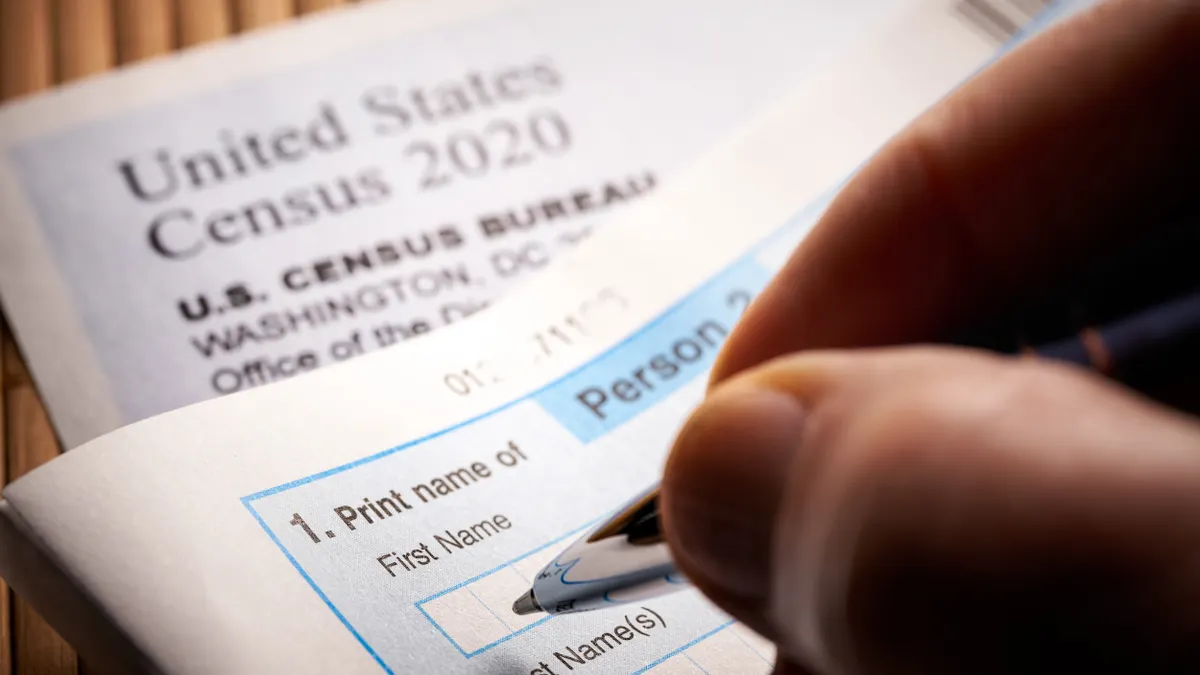
Proposed changes to the 2030 Census could lead to an undercount, affecting city planning, federal funding and congressional apportionment, the National League of Cities warns.
Published in the Federal Register on Sept. 10, the Census Bureau’s proposals would amend two sets of regulations governing the decennial census. One would change the criteria for who is counted, shifting from “counting everybody living in your community to only counting American citizens and lawful permanent residents,” according to an article by Dante Moreno, legislative manager for finance, administration and intergovernmental relations at NLC.
“Illegal aliens (among others) should not be included in the apportionment count, as they are not true inhabitants, members of the body politic, or persons with a ‘usual residence’ in the United States due to their lack of a sufficient tie and allegiance to the United States,” the proposed changes state. “The Census Bureau could, in addition, include a question about legal status on the short-form decennial census questionnaire.”
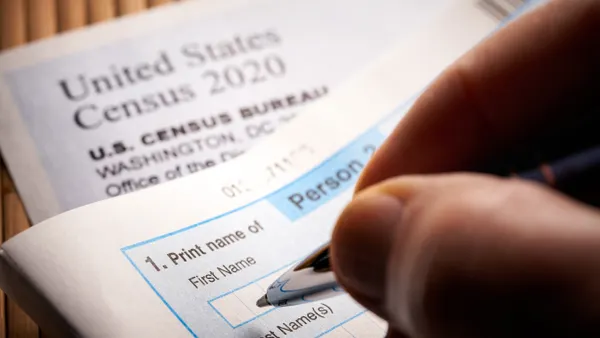
The second proposal would remove questions about race, ethnicity and sexual orientation from the census questionnaire. The bureau said these questions could put sensitive data at risk of exposure and place an undue burden on respondents who are legally required to answer the questions. The census has included race and ethnicity questions since the first decennial count in 1790.
“We don’t see any of these [changes] as benefits to the census,” Moreno told Smart Cities Dive.
Three types of communities could be particularly affected if the proposals are adopted, she said.
Students on visas in university communities would not be counted “even though they are in the community, they are driving on municipal roads, using municipal water infrastructure, or they're in the community and might need public safety,” Moreno said.
NLC is also concerned about the Census Bureau’s proposal to “fill information gaps” using data from administrative records — including certain tax-return information — sourced from other governmental agencies, “thereby reducing response burden and operational costs.” This could hurt fast-growing communities, which might lack the administrative data needed to verify who lives there, Moreno said.
The Census Bureau is also proposing to define the relevant “census enumeration period” to run from Jan. 3 to April 1 during decennial census years. This could affect northern states with large populations of residents who winter in warmer climates, Moreno said. “You might have your snowbirds down not only in Florida but in the Caribbean outside of the country [during the enumeration period], and they might not be counted,” Moreno said.
The effects of an undercount would extend beyond the individuals left out, she said. Accurate census data helps local officials understand their communities’ demographics and plan for services. For instance, the needs of preschoolers differ from those of senior citizens, Moreno said.
An undercount would also affect federal funding and political representation, she added. Census data determines the apportionment of seats in the U.S. House of Representatives and informs federal spending on programs such as Medicaid and Community Development Block Grants.
“It’s important for leaders to know who is in your community … and if you don’t have that data, there is no other dataset out there that fulfills that need,” Moreno said. “Whatever you get in the census is the number, and it just means that cities will have to deal with any of the ramifications for the next 10 years.”
The public has until Nov. 2 to comment on the Census Bureau’s proposals.