Rising utility rates are creating affordability pressures that could eventually constrain municipal finances and credit quality, according to panelists on a recent S&P Global webinar.
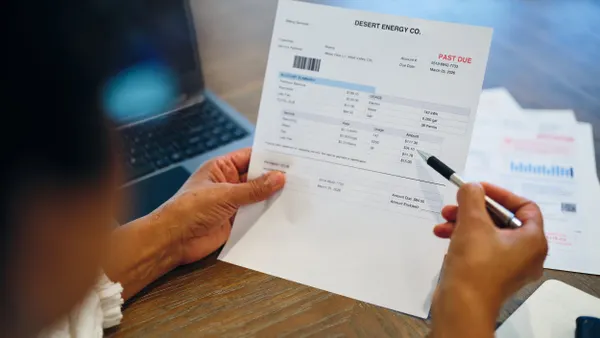
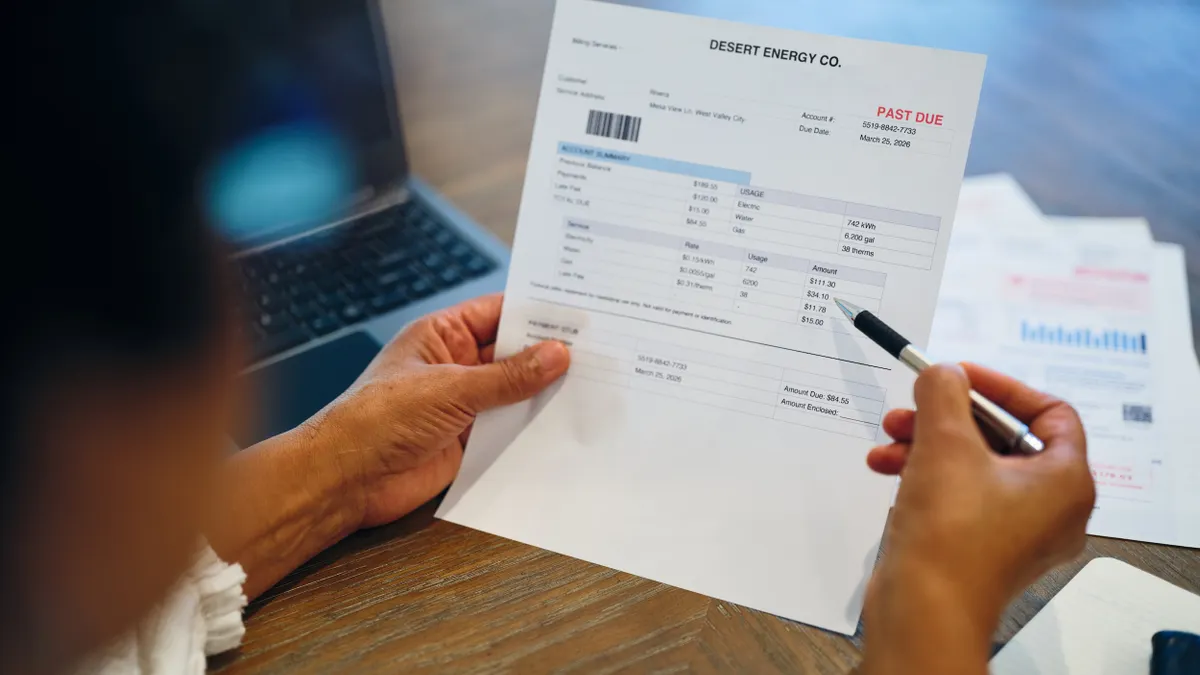
Data centers, climate change and other factors have caused utility rates in the United States to increase by 38% since 2020, pushing local utility bills into the national spotlight, said Gabe Grosberg, S&P managing director, North America regulated utilities. That is “something we’ve never seen before,” he said.
If fewer homebuyers and businesses choose to move to cities where utility rates are high — shrinking the tax base — those cities could have less money to pay for utility infrastructure costs, said Sarah Sullivant, S&P sector lead for Americas public finance.
“We’re seeing this dynamic playing out where utility rates are high compared to household income,” she said. “Over time, this cycle could reduce flexibility for public finance entities.” This isn’t currently leading to significant bond rating actions, but it’s a “simmering risk,” she said. “For electric and water utilities, affordability of rates is a factor in our rating analysis.”
While utility rates may pose a threat, affordable housing and sustainable debt for public transportation and facilities in underserved communities are bright spots, Sullivant said.
“Multifamily housing is having a record year, driven by affordable housing,” she said. “We’re seeing the investor base expanding, and we’re looking forward to seeing more.”
This growth has helped boost the sustainable debt market, said Alan Bonilla, S&P director of sustainable finance. Sustainable debt instruments like social, green and climate bonds can target affordability — particularly for single and multifamily housing construction, he said.
“Entities are looking to broaden their investor base by telling their sustainability story and are accessing [the sustainable debt market] to seek funding,” he said.
There’s also continued interest in the sustainable debt market for financing equitable transit, community healthcare centers and other types of projects that are predominately in low-income or underserved areas, Bonilla said.