Jessica Aiello is the founder and CEO of TCS Interpreting, a national provider of ASL interpreting and captioning services.
For years, fire alarms were designed for the people who could hear them. There was one way, and one way only, to be alerted to an emergency: sound. For the deaf and hard-of-hearing community, that meant relying on environmental context alone to safely evacuate a dangerous situation. Picking up on facial expressions and body language from the people around them was often the difference between life and death.
This was the standard until the Americans with Disabilities Act mandated adding visible cues to fire alarms in 1990. Today, most hearing people wouldn’t think twice about the visual signals built into emergency systems, but for the 37.5 million American adults who have hearing difficulty, they are a lifesaving standard.
This was a monumental leap for the time. But it’s been more than 35 years since the ADA, and lifesaving access can no longer be the end-all, be-all. The ADA provided a necessary legal foundation, but a foundation is not a finished structure. If something as simple as a flashing light can offer life-saving cues to an entire community, what other forms of access are still missing?
I’m a child of deaf adults. My first language is American Sign Language. From the beginning, I lived between three worlds: the deaf world, the hearing world and my world, which was a combination of the two.
I have seen firsthand the difference between accessibility as compliance and accessibility as a strategic priority. For city and state leaders, going beyond the legal minimum of accessibility is not only the right thing to do, but the smart thing to do. It benefits everyone.
Take emergency response. So much of this information is spread audibly, from evacuation orders to public safety announcements. Because of this, upwards of 48 million DHH adults and children combined face a higher risk of injury, death and property loss, according to a 2013 study. The COVID-19 pandemic magnified some of the consequences of inaccessibility, with the National Association of the Deaf advocating that the White House provide ASL interpreters during televised briefings.
So much of this harm and confusion could have been prevented if accessibility had been a priority from the start, instead of being a retroactive addition after lives, trust and public dollars had already been lost. In my experience, the root of this exclusion boils down to some fundamental misconceptions about the DHH community.
Hearing people often categorize DHH individuals by their inability to hear. But many deaf and hard-of-hearing people don’t want to be perceived through the lens of disability. The challenge is a communication problem, not an ability problem. Much like a native Spanish or French speaker, deaf and hard-of-hearing people have their own language, culture, perspective and lived experience. The disconnect is not in their capacity to contribute to society, but in whether they are given the same access to information and opportunity as everyone else.
So, how can local leaders make the transition from compliance to meaningful accessibility? Here are a few starting points:
1. Make a commitment beyond compliance.
The first step is making a clear commitment that accessibility will not stop at the legal minimum. That means dedicating real resources to DHH access, including staff who can conduct an accessibility audit across city or state services and a budget for solutions. It also means requiring that every department include DHH access in its planning process, from emergency response to public works and code enforcement.
2. Cover the basics.
ASL interpretation and real-time captioning are some of the most important primary communication tools for deaf and hard-of-hearing individuals. They should be standard at every emergency briefing, public meeting, press conference and public event. These services should not be available only when they are requested. If the meeting is public, the information should be publicly accessible, too.
3. Design for the community, not in spite of it.
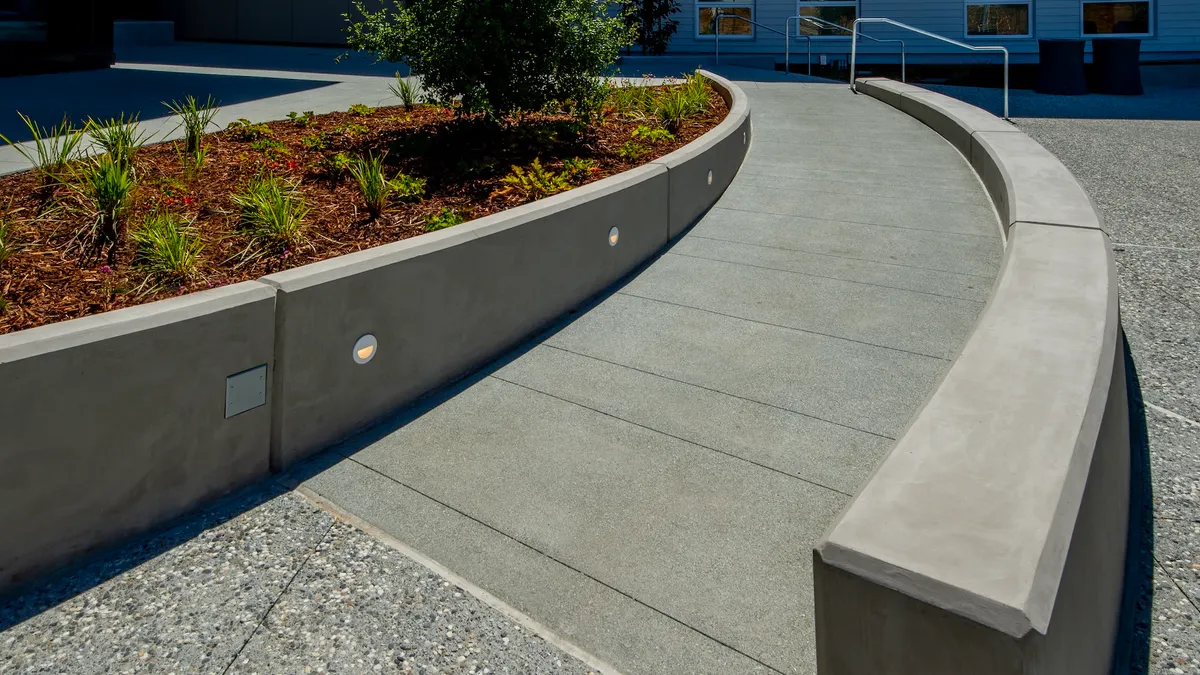
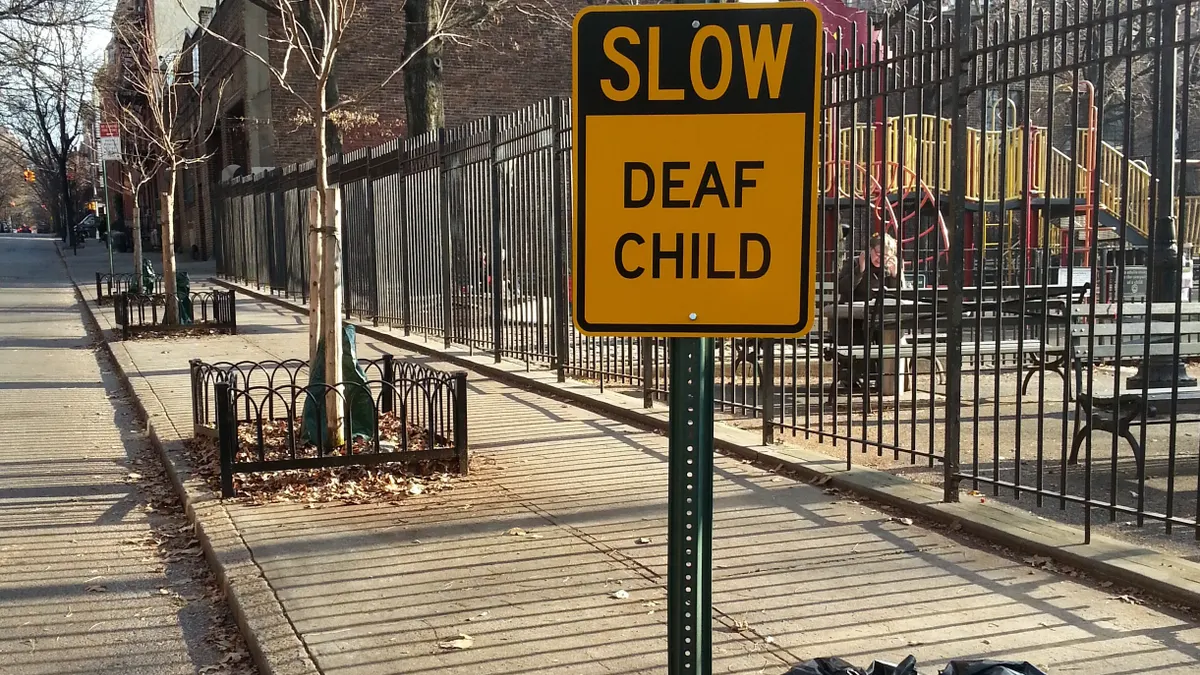
Instead of designing around DHH individuals, design for them. That’s the idea behind Deaf Urbanism, in which cities are structured around the visual and communication needs of the DHH community. That might look like parks with circular benches so everyone is able to see each other’s hands and faces while socializing or public buildings with automatic doors so conversations don’t have to pause while entering or exiting. But it goes beyond the built environment, too. Are your hiring practices designed with DHH participation in mind?
4. Include DHH residents every step of the way.
If you’ve spoken to one deaf person, you’ve spoken to one deaf person. No two DHH individuals are the same. So, familiarize yourself with your DHH constituents. Where do they gather? How can you get in touch? Talking to them about their preferences and expectations can provide invaluable insights about bridging the accessibility gap. Even better is making this an embedded relationship in your approach to city or state planning by establishing a designated DHH advisory group or community liaison who can provide ongoing feedback.
For local leaders, the cost of inaction is clear. When accessibility is treated as an afterthought, people get hurt. Public dollars are wasted on fixing preventable failures. But when accessibility is built in from the start, everyone benefits. DHH residents are safer and more informed. They trust that the public systems their tax dollars support are designed to support them, too.