

It’s 5 p.m. Do you know where your city vehicles are? Increasingly detailed equipment tracking and monitoring technology wants to make that question a thing of the past for local governments.
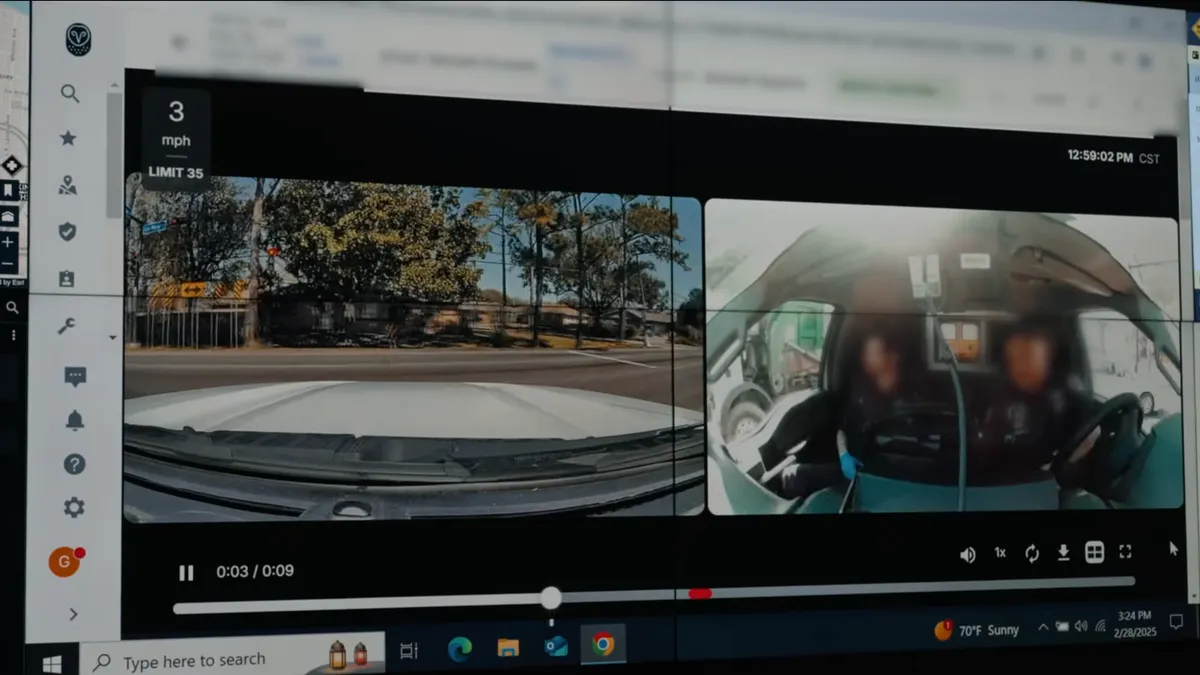
Samsara brought together public-sector leaders in Chicago on May 12 to learn about its suite of asset tracking and monitoring products, which are as simple as a Bluetooth-powered tag on an excavator or as intricate as an AI-enabled dashcam that sends an alert if a city staffer yawns behind the wheel.
When New Orleans Operations Chief of Staff Shelita White began overseeing the city’s fleet around three years ago, she asked for a list of the city’s roughly 2,600 assets and was presented with a stack of papers on her desk, she said during a panel on modernizing state and local emergency response.
“It was unnerving to me to know that we had 2,600 assets and we have no idea where they are,” White said.
The city has since entered around 1,800 of its fleet assets into a real-time tracking system and is on pace to add the rest of its fleet by the end of this year, White said.
“Being able to locate our assets is a very, very big deal,” White said. “It's something that the public wants to know. We get a lot of public records requests … We cannot give them a stack of papers. We cannot give them someone's Excel [spreadsheet] from two years ago that has something that is expired.”
Such digital systems can now estimate how much gas is in each vehicle’s tank and whether any maintenance checks are pending, due or needed, said Andrew Morgan, who manages fleet operations for the Texas Department of Public Safety. That information can be critical when preparing for emergency situations like flooding, he said.
“We didn’t have, in the past, good visibility on maintenance records of vehicles,” Morgan said during the panel about the state’s decentralized fleet. With an integrated work order system, “We're going to have a lot better visibility with that, and we're going to be able to push those notifications to drivers and tell them to go get their vehicle serviced before there's an issue.” In the event of a disaster, their response, vehicles “should be more liable and ready for the road,” he said.
New Orleans also uses asset tracking systems to help prepare fleets for hurricane season and major events like Mardi Gras.
“We can actually see where all of our vehicles are located, we can actually plan ahead if any breakdowns happen to be able to get to those vehicles in real time and actually get those vehicles back on the road,” White said.
Miami uses the systems to monitor vehicle engine hours for its fleet and get ahead of problems with preventive maintenance, according to Miami General Service Administration Assistant Director Anthony Barcena.
“We’ve been able to save a lot of money with the city for being a lot more proactive,” Barcena said during a procurement panel at the May conference.
These systems can monitor and track driving habits and issue alerts if a vehicle is not where it’s supposed to be, if the vehicle is idle, and if the driver is not wearing a seatbelt or is speeding. “We have people [in city vehicles] that are driving over 120 miles an hour,” White said.
Since incorporating the AI dashcams, New Orleans has been able to reduce speeding by drivers in city vehicles by 37% and cut down on mobile phone use by 46% over 12 months, according to Samsara.
“We want to encourage [drivers] before reprimanding them to just change their behavior paths,” White said of city employees being monitored on the road. “I think once you realize, ‘Okay, they can really see what's happening in my vehicle,’ that'll change the behavior path.”
Miami also began placing asset tags on its water pumps, which often go missing, according to Barcena. The asset tags are now visible on an online map. “It does save a lot of time, a lot of headaches,” Barcena said.