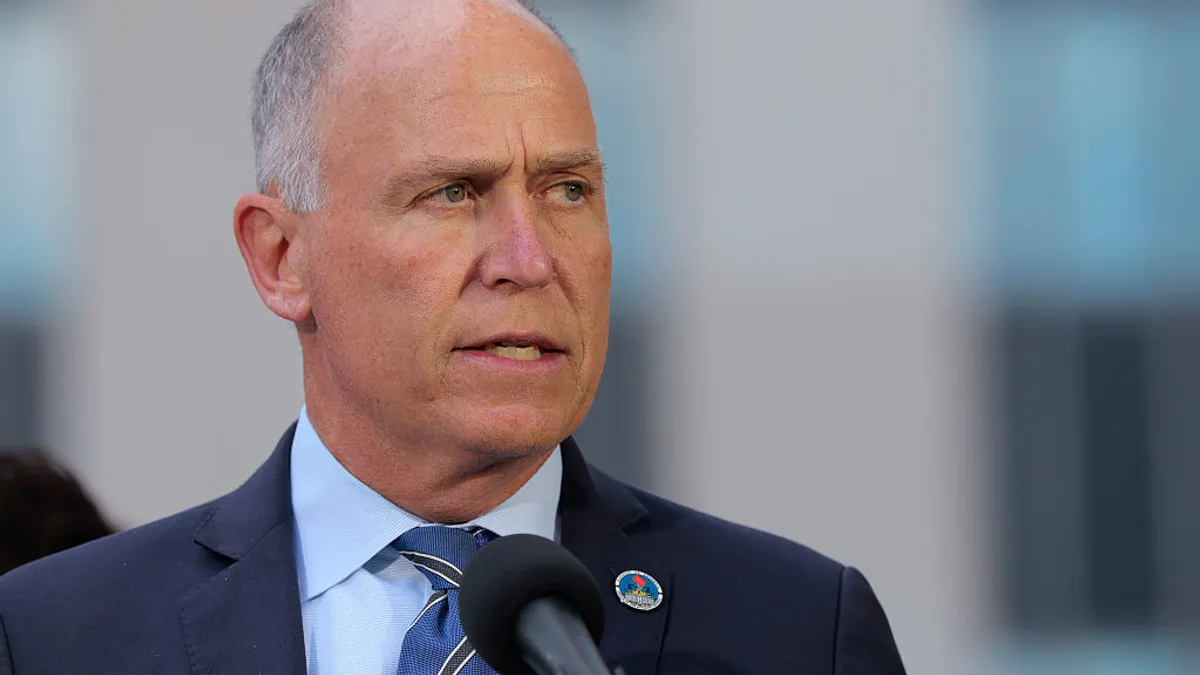
Michael T. Pugh is president and CEO of the Local Initiatives Support Corporation, one of the country’s largest community development organizations.
In 2024, more than 21 million homeowners were severely cost-burdened, spending over half their income to stay housed. Across the country, families are being squeezed by rising insurance premiums, property taxes and the growing cost of basic repairs.
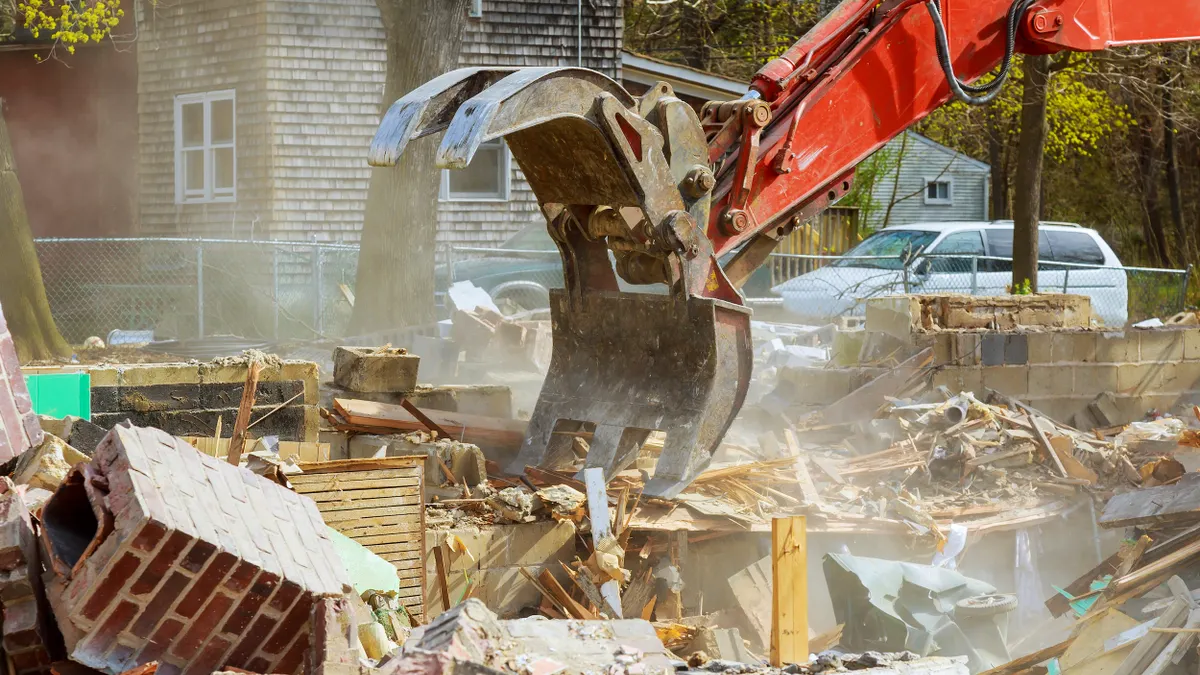
We talk about this as a housing shortage, and it is. But that framing misses a critical truth: We are not just short on housing. We are actively losing the affordable homes we already have. And we are losing them faster than we can replace them.
The national conversation tends to focus on one solution: build more housing. Clearly, we do need more housing, but that's not the only issue. While we debate how to build faster, millions of homeowners are quietly slipping into instability — not because they can’t pay their mortgage, but because they can’t fix a roof, or a furnace breaks, or a title was never formally transferred.
For many families, especially in under-resourced communities, the margin between stability and displacement is razor thin. A single unexpected cost can trigger a chain reaction, deferred maintenance, code violations and rising debt, which ultimately results in the loss of a home that may have been stable and affordable for decades.
Once that home is gone, it is rarely replaced at a price the next family can afford. This is the hidden engine of the housing crisis, the steady erosion of existing affordable homeownership.
Heirs’ property compounds this challenge. Homes passed down informally across generations, often one of the only pathways to wealth, can become legally vulnerable. Without a clear title, families are locked out of financing and disaster relief and exposed to forced sales that strip generational assets from communities.
These are not marginal cases. They are systemic failures, and they demand systemic solutions. The good news is, we already know what works.
Home preservation as essential infrastructure
Across the country, communities are building scalable models that treat home preservation as essential infrastructure. At Local Initiatives Support Corporation, we are partnering with communities to develop, replicate and scale important housing preservation programs.
In Detroit, public agencies, private lenders and community-based organizations have aligned around a simple but powerful idea: to make it easy for homeowners to access the help they need. Instead of navigating fragmented programs, residents can access low- or zero-interest repair financing through trusted local partners. These programs are designed for borrowers often excluded from traditional lending and paired with financial coaching to ensure long-term stability.
This is not a pilot. It is a system that is working. And it is spreading.
Variations of this model are being implemented in LISC-supported markets like Cleveland and Cincinnati, proving that when you align capital, delivery systems and community trust, you can scale impact across very different housing markets.
The same is true for heirs’ property.
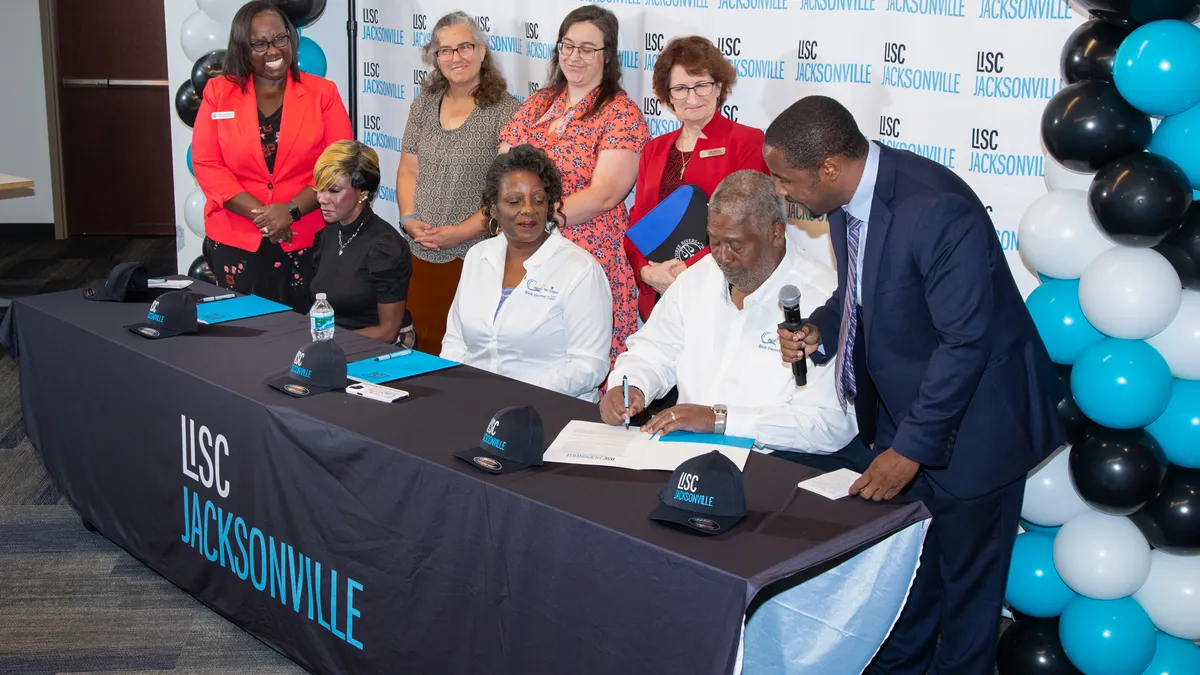
In Jacksonville, a coordinated, data-driven approach is helping families resolve title issues before they become crises. By connecting homeowners with legal support and estate planning, local partners have stabilized more than $53 million in home value, protecting both housing and generational wealth.
The Jacksonville approach is comprehensive, blending heirs’ property work with home repair and new construction. Irvin Cohen, executive director of LISC Jacksonville, put it best when he said the work in the community must be anti-displacement and anti-gentrification, and the existing approach was the clearest path towards accomplishing that.
A core housing strategy that scales
These models share a common thread: They are not one-off programs. They are systems designed to work at scale.
And that is exactly how we need to start thinking about housing preservation. If we are serious about solving the housing crisis, preservation cannot be a niche strategy. It must be core to housing policy at every level — local, state and federal.
That means investing in flexible home-repair financing that meets homeowners where they are. It means expanding access to legal services that protect ownership and prevent displacement. It means designing delivery systems that are simple, trusted and built around how people actually navigate support, not how programs are traditionally structured.
Most importantly, it means recognizing that keeping someone in their home is not just a social good; it is a cost-effective, scalable housing solution.
Because every home we save is one we don’t have to rebuild.