When Munich-based bus and rail operator Flix acquired Greyhound nearly five years ago, the North American intercity bus operator had fallen on hard times. Its business was deteriorating and the public saw bus travel as unsafe and undesirable.
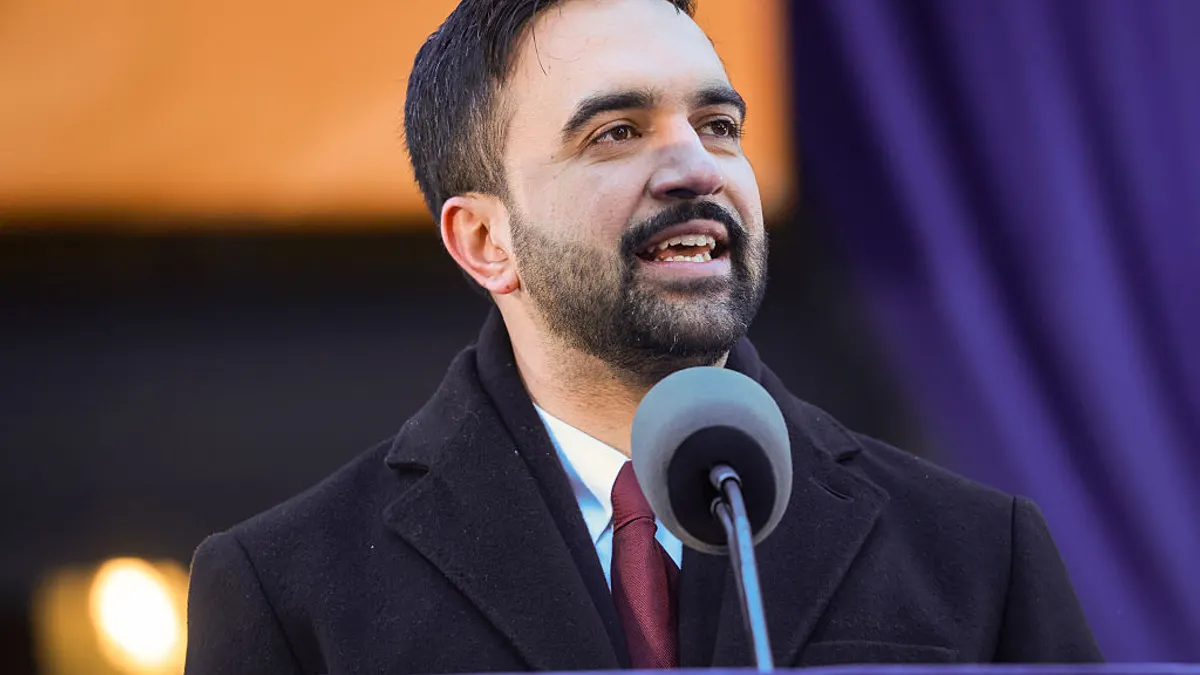
Fast forward to 2026. “Students, young professionals, retirees and value-conscious travelers are all choosing intercity bus,” Flix North America CEO Kai Boysan told Smart Cities Dive.
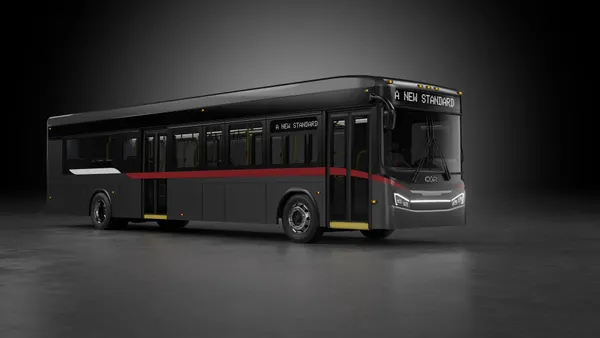
Greyhound upgraded its fleet with 185 new buses over the past two years and has 80 more on order, according to CX Dive. Bus departures from originating terminals are 95% on time, and destination arrivals are over 80%, Boysan said. Across both FlixBus and Greyhound, more than 37 new lines have been added year-to-date, he said.
The FIFA World Cup matches across North America boosted ridership this year, Boysan said. Many riders took their first intercity bus trips during the games. Higher gasoline prices and the May 2 shutdown of Spirit Airlines, a low-cost carrier, also drove more travelers to intercity buses, he said.
“New customers [came] to our network,” Boysan said. Some had never used Greyhound, “and this gave us an opportunity to demonstrate that our product is much better than what they thought.” The company is already preparing for the 2028 Olympic and Paralympic Games in Los Angeles, he said.
On the other side of the continent, the Northeast Corridor — especially Boston, New York City, Philadelphia and Washington — is one of Greyhound’s strongest markets, Boysan said. “We see a strong demand increase, and we look forward to increasing our offerings in that region.”
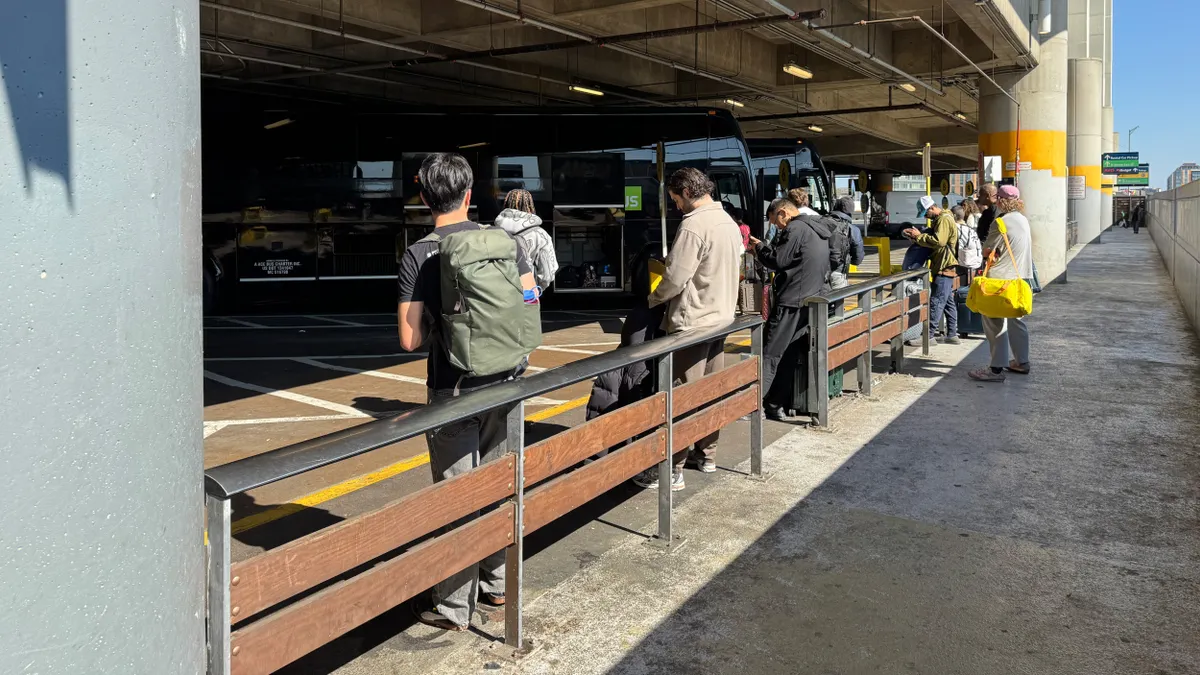
Greyhound lost most of its bus stations during the Flix acquisition because the properties weren't part of the deal. But that’s turning around. The city of Chicago agreed in June to buy and renovate the downtown Greyhound terminal, which serves four bus lines and 450,000 annual passengers. Boston expanded its downtown bus terminal by 60% last year, New York City is replacing its Midtown Bus Terminal with a new $10 billion facility and the U.S. Department of Transportation will invest $466 million in the District of Columbia’s Washington Union Station, which includes a bus terminal. Last year, Flix North America opened a new bus terminal in Dallas for Greyhound and FlixBus.
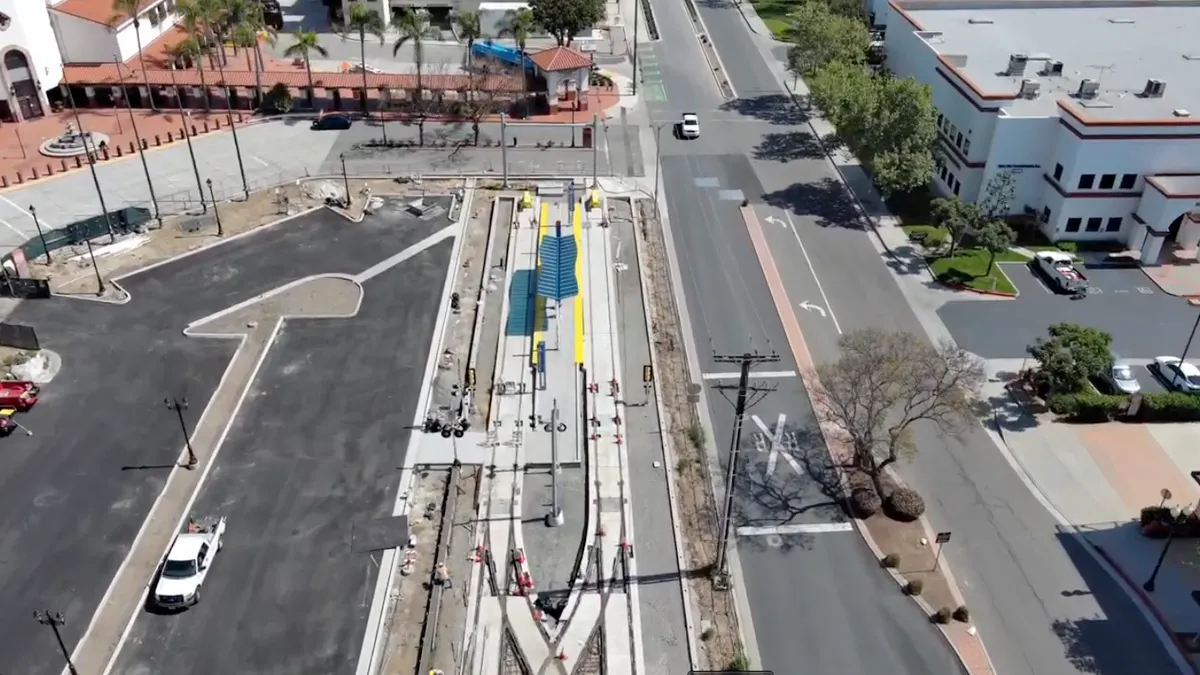
Each of these new facilities, along with one at Los Angeles Union Station, offer convenient connections to local public transportation. Direct Amtrak connections are available at the bus terminals in Boston, Los Angeles and Washington, D.C. “It is just in the interest of travelers to be able to transfer from one mode of travel to another easily and conveniently,” Boysan said.
“That integration, together with other modes of transport in public transportation centers providing a seamless transfer experience to our travelers, is the biggest opportunity in front of us,” he said.
For the intercity bus industry as a whole, federal policy plays a big part. Boysan pointed to the Formula Grants for Rural Area program, which helps fund state-supported bus services. Alabama, Maine and Virginia are among the states utilizing these funds. States generally contract with private operators for these routes, and Boysan sees more opportunity for public-private partnerships on the state and local levels.
Boysan became CEO in 2022. Greyhound “has evolved,” he said. “It's a different product. It's a different experience.” He credits the labor union, drivers, mechanics and the entire Flix team for the turnaround.