Dive Brief:
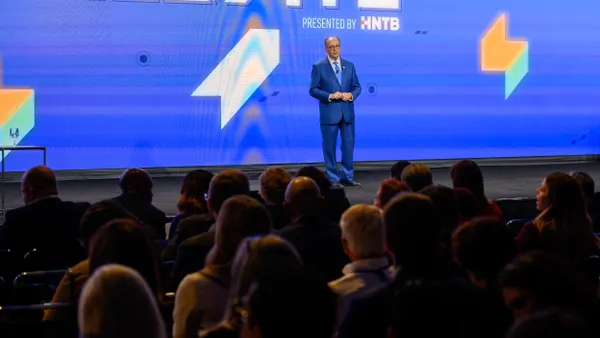
- Expansion of state-supported intercity bus routes, new and expanded bus stations and a significant Greyhound investment in new motor coaches paint a bright picture for travelers, experts said Wednesday during a webinar hosted by DePaul University’s Chaddick Institute for Metropolitan Development.
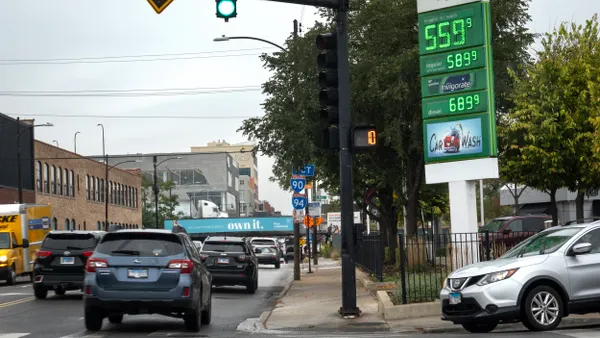
- Higher gasoline prices and air fares may also increase intercity bus ridership this year, Chaddick Institute Director Joseph Schwieterman said on the webinar.
- The institute also found less service expansion on some major routes in the Northeast last year, Schwieterman said, which may have been rightsizing following growth in 2024.
Dive Insight:
Schwieterman provided a preview of the institute’s upcoming industry newsletter, with a mostly positive outlook for the intercity bus industry. He outlined four key trends for 2026.
1. States continue to expand subsidized intercity bus services. Virginia launched its first cross-state bus route Monday, connecting with four north-south routes that allow riders to reach Union Station in Washington, D.C., where they can continue on Amtrak or other intercity bus lines. Ohio’s GoBus service launched four new routes in March, connecting Toledo to Cincinnati, Columbus and Ashtabula, and Columbus to Pittsburgh. In February, Wisconsin added a La Crosse to Green Bay route to its eight other state-supported services.
“States are making the case that there's something new and different with their services, which has been good to see,” Schwieterman said.
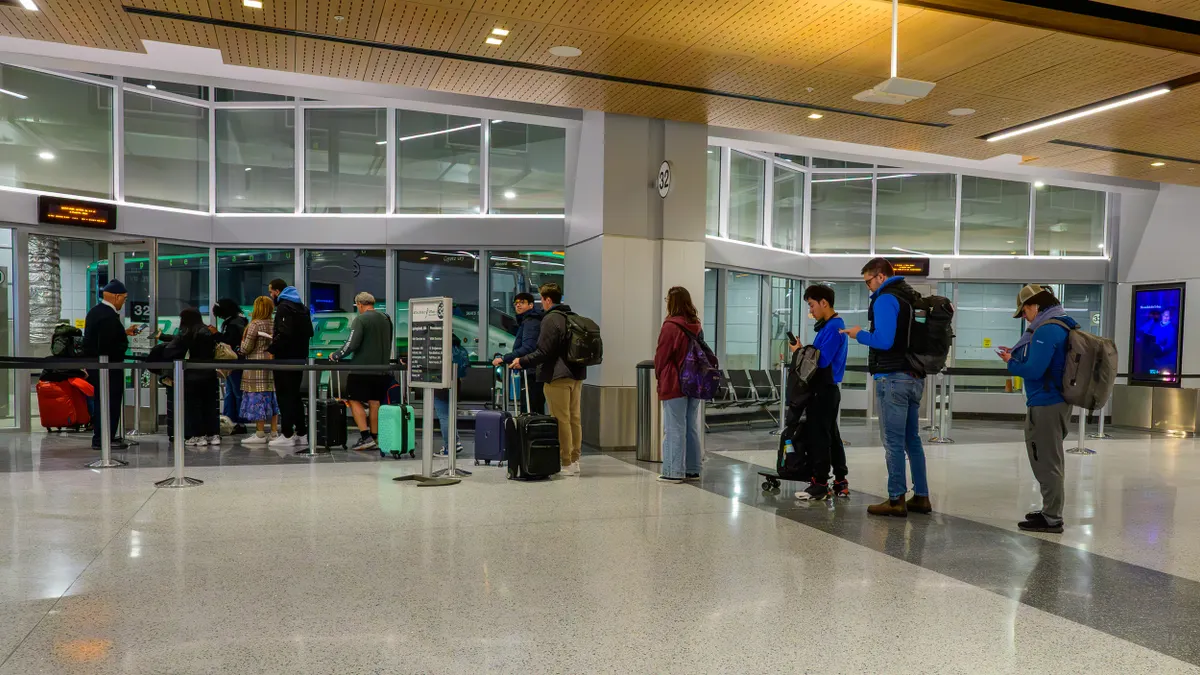
2. New, expanded and renovated bus terminals improve travel for riders. Boston’s South Station bus terminal increased bus docks by 60% last year, and work has begun on the Midtown Bus Terminal in New York City. FlixBus and Greyhound opened a new station in Northwest Dallas last year, and Cleveland got a new bus station, built by Barons Bus, a family-owned charter and intercity bus company, in February.
The city of Chicago is in talks to acquire the former downtown Greyhound station. “We're very impressed with how three city departments were all there [at a Community Development Commission meeting], talking about their collaboration with the goal of doing this,” Schwieterman said.
3. Greyhound added hundreds of new buses to its fleet. They feature more comfortable seating, cup holders, power outlets, free Wi-Fi and onboard restrooms. Schwieterman said Greyhound has also made strides in better on-time performance.
4. Consumer economics favor intercity bus travel. With higher gas prices, “we're pretty confident it's going to give us some nice tailwind by summer,” Schwieterman said. “With people adjusting their patterns, realizing that maybe that long airline trip isn't what they want to do, they may shift toward shorter travel, and of course, single-occupant driving is pretty painful right now, so we're confident we're going to see a boost” in intercity bus ridership.