The United States could generate $2 trillion in economic output by investing in “micropolitan communities,” or cities with 10,000 to 49,999 residents, according to a Heartland Forward and McKinsey Institute for Economic Mobility report released Oct. 1.
The 20 states in the middle of the country have 62% of the 538 micropolitans in the United States, according to the report. It’s also home to 39% of the country’s population and generates about 35% of GDP — making it the world’s third largest economy — but cities there get only 10% of the total U.S. venture capital investment and 29% of fixed capital lending, the report states.
Shrinking the investment gap so the region’s share of the GDP matches its share of the population could lead to that $2 trillion bump, the report states. The challenge is that even when communities have similar industries, workforce characteristics and geographies, their investment readiness varies widely.
Micropolitans “differ in the strength of their economic foundations, the systems that support workers and families and their ability to coordinate across institutions and execute over time,” the report states. Available sites for new businesses, housing and transportation capacity to support the workforce, and even broadband connectivity vary widely, for example.
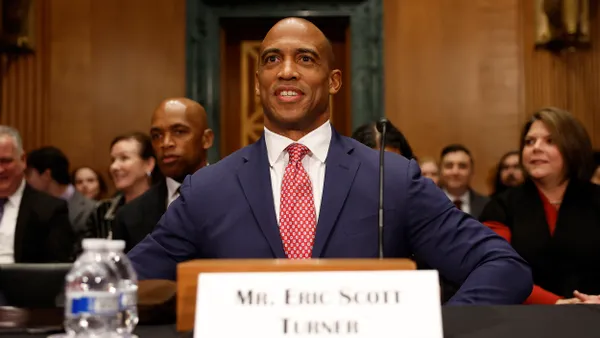
The report calls those “community assets,” and they’re often overlooked, said Dominic Williams, a report author and senior expert at McKinsey. “The notion of community context playing that potentially opening role to allowing for growth, I don’t think that is thought of as often,” he said.
In general, micropolitans that coordinate economic development action from states and local governments, employers, and philanthropy and community organizations are best suited for investment, the report states.
For example, Ottumwa, Iowa, brought together “public, philanthropic, employer and private capital around existing assets to support continued reinvestment,” the report states. “Since 2006, the city … and other partners have channeled public infrastructure spending, private property investment, rehabilitation grants and housing support to strengthen the downtown and surrounding community.”
But there’s no one-size-fits-all growth model; each micropolitan needs to play to its strengths, according to the report. McPherson, Kansas, which has about 14,000 residents, has had success by relying on specialized manufacturing: sterile, injectable medicines from Pfizer. Since 2015, the company has invested $350 million in its McPherson plant and hired hundreds of new workers.
The report includes an investment framework — or “rubric of readiness,” as Williams called it. The guide calls on cities to use a shared set of data, market information and evidence as the basis for determining their best options for attracting investment in support of economic growth.
It also provides a checklist with questions designed to get cities to dig into those three areas of economic foundation, infrastructure and community context. For instance, it asks about opportunities for expanding current businesses, availability of capital, cost of living, access to schools and healthcare, and evidence of shared decision-making among stakeholders.
“It is both meant to be something that tells us about the opportunity but also gives communities the starting roadmap and guidebook to go about doing something towards the opportunity,” Williams said.