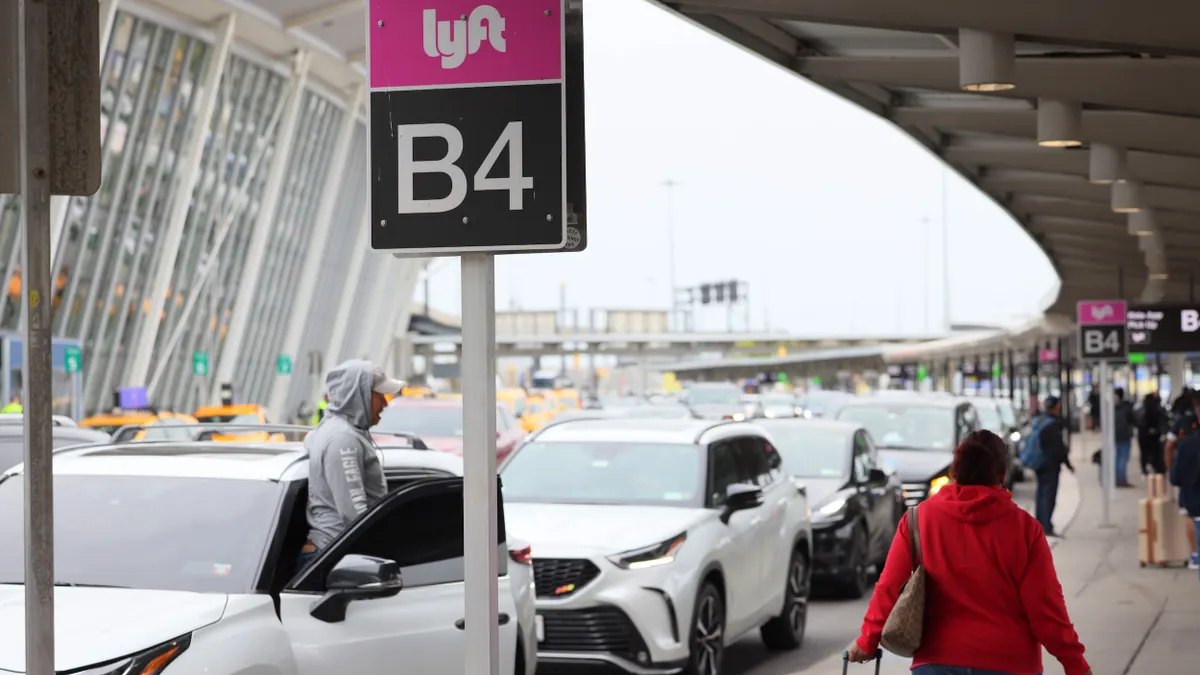
The transportation mix in many U.S. urban areas now includes bike-share, shared scooters, ride-hailing services and robotaxis. Lyft, which began ride-hailing operations in 2012 in San Francisco, now operates globally and provides many of those services.
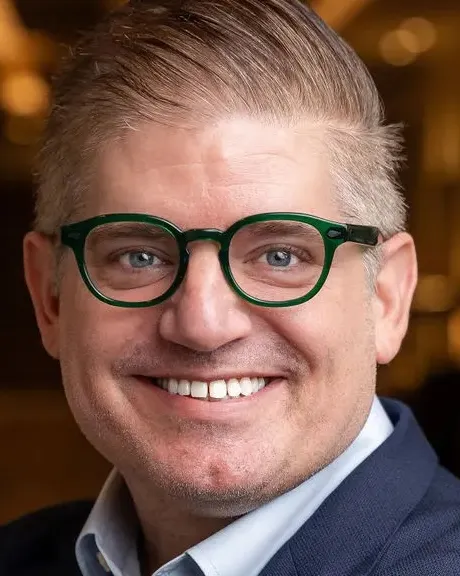
Smart Cities Dive spoke with Lyft Chief Policy Officer Jerry Golden to learn how the company interacts with city and state leaders and how he sees the future of multimodal urban transportation.
Editor’s note: This interview has been edited for clarity and brevity.
SMART CITIES DIVE: How does Lyft interact with city and state officials?
JERRY GOLDEN: We have a lot of folks at Lyft that, because of the nature of our work, are located in different state capitals throughout the country. On my team, they are there to deal with mayors, governors, members of the assembly, city council or state senate.
What concerns are you hearing from city leaders?
Lately, as you can imagine, we've had a lot of affordability questions. We have cities asking questions about how we're helping our drivers meet rising fuel costs. We do have incentive programs where we try to make it a lower-cost opportunity for drivers to stay on the road.
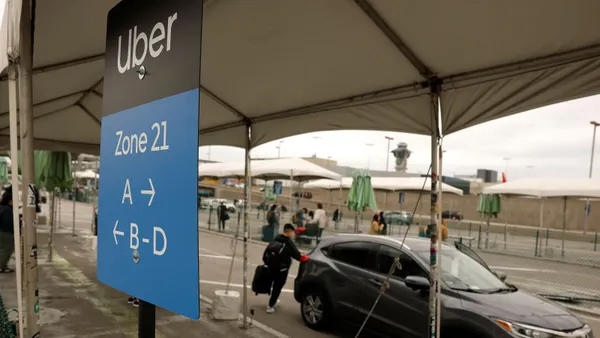
Another thing we deal with a lot is pick-up and drop-off curbside opportunities. [We] have to make sure that [we] are monitoring and enforcing that drivers are obeying the rules of the road and that we're showing up the right way for the riders.
There's definitely excitement about how to broaden utilization of bike-share. In general, autonomous vehicles are a hot topic right now. Even in cities where we don't yet have arrangements, there are a lot of questions about how we're thinking about them.
Lyft will soon begin operating robotaxis in Nashville, Tennessee, in collaboration with Waymo. How are you working with city officials who may not have ridden in these vehicles before?
Part of the solution is giving them a real-life example of what the feeling is in that experience. We are currently operating the fleet management of those Waymo vehicles, and the credibility we've had to work hard to earn with these electives, that's something we want to make sure we [continue] for the autonomous vehicle arrangements.
That really comes down to, what are the safety requirements you're expecting for [these] vehicles, what are the limitations that you're willing to start with and grow into later?
A lot of the conversations we've had with autonomous vehicle companies and manufacturers have been more about the variety of cars that are being brought to bear and how they can meet the needs of different communities. I'd say that that's an opportunity for us to lean in on more accessible vehicles. It just won't happen overnight.
Where does Lyft stand on federal legislation and regulations that are in the works?
We believe very strongly that there needs to be an alignment on minimum safety standards and on standardized reporting about safety data so that we have the ability to build consumer trust in a novel technology where people are going to want to see the evidence that it is functionally working … and that states and cities can turn to. We found that mostly there's a bipartisan interest in getting there.
In the long run, how do you see ride-hailing, bike-share and shared scooters fitting into the transportation mix?
We look at it as: How do we partner with cities to make sure the pedestrian experience, cyclist experience and rider experience helps chart a pathway for more walkable, connected cities? You're going to have human drivers, you're going to have autonomous vehicles, you have mass transit, you have bike lanes.
I would like to think that you're going to find more people saying, is full-time car ownership really part of my solution, or is my opportunity here to not own a car? Is the opportunity then for cities to reclaim all of the things that come from way more cars being parked idle, [like] parking garages. Could we have more parklets taking over more parking spots? I think an opportunity to have fewer cars on the road is going to be part of the answer.