Craig Smith is director of geospatial for location intelligence company TomTom.
Twelve million people have already registered for a chance to attend the 2028 Olympic Games — a remarkable reminder that Los Angeles' next global moment is already taking shape.
While the opening ceremony is still two years away, the city has already completed one of the most valuable Olympic preparation exercises it could have asked for.
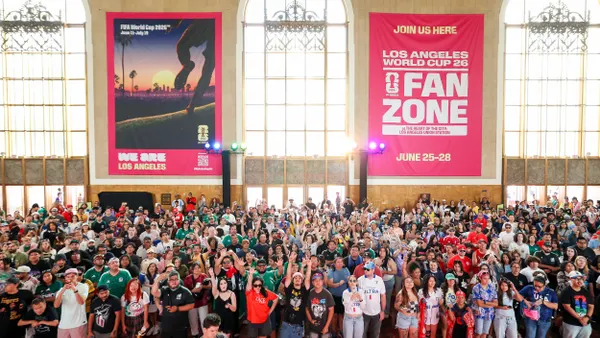
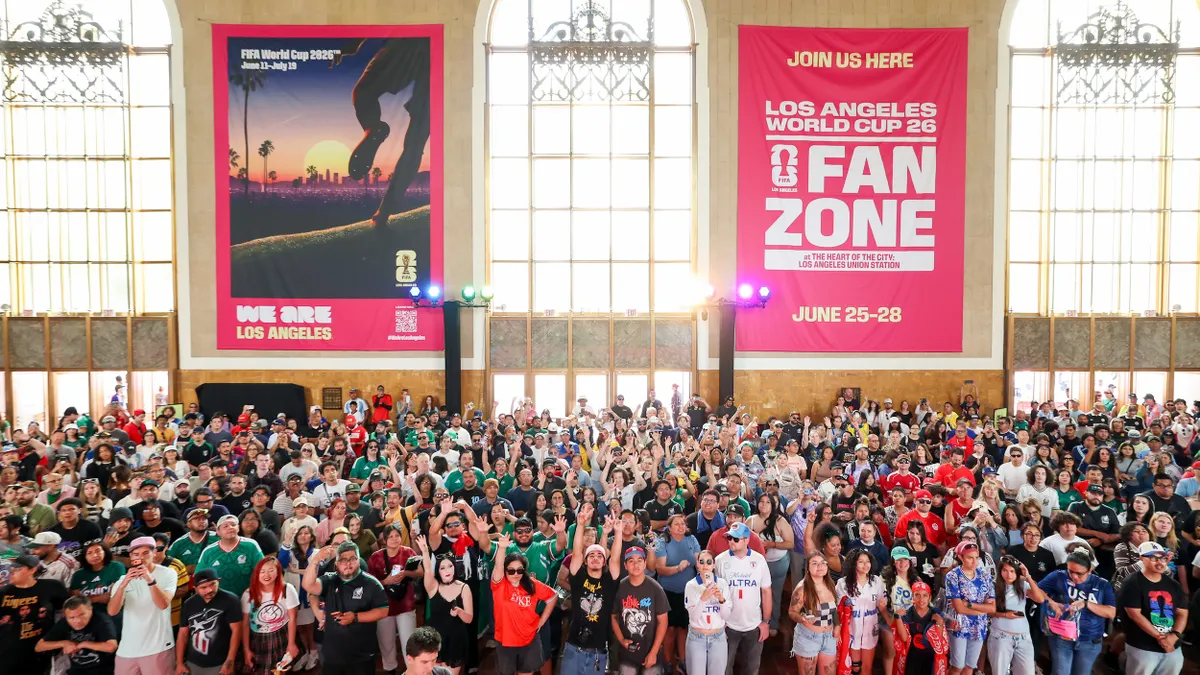
The 2026 FIFA World Cup was a live, high-stakes stress test for Los Angeles. While fans filled stadiums, transportation planners gained something far more valuable: a real-world rehearsal that revealed how the city’s transit, security and roads actually handle extreme demand.
The World Cup provided an opportunity every Olympic host city hopes for but rarely gets: a chance to see how its transportation system performs under real-world pressure before the main event arrives. The lessons offer a chance to refine those preparations and strengthen the region's transportation network ahead of 2028.
Don't plan for perfection
Many Olympic hosts assume success depends on years of meticulous planning. But mega-events don't reward rigid plans — they reward cities that can adapt in real time.
Traffic data from the World Cup made that clear. Around SoFi Stadium, Los Angeles' first match generated congestion levels 128% above normal, according to TomTom data. By the Round of 32, congestion had climbed to 138%. The quarterfinal produced the tournament’s highest traffic impacts, reaching 178% above normal while average speeds dropped to just 9 mph near the venue.
The data revealed that no two matches created the same mobility profile. Kickoff times, fan behavior, security operations and surrounding travel demand all reshaped congestion throughout the tournament, requiring transportation agencies to continuously adjust their operations rather than rely on a single playbook.
That's exactly what makes the Olympics different from almost any other event.
The Games will present an even greater challenge, with simultaneous events across venues throughout the region. Rather than predictable, isolated surges around a single stadium, city officials will need to manage overlapping travel demands while keeping the broader transportation network moving. Success will depend on how quickly they can identify those changes and adapt.
Building a better city
Los Angeles is no stranger to hosting the Olympics, having welcomed the Games in 1932 and 1984. Since securing the 2028 Games in 2017, the city has been laying the groundwork for another successful event, with an emphasis on improvements that will benefit residents long after the closing ceremony.
For example, London invested more than £6.5 billion ($8.72 billion) in transportation improvements ahead of the 2012 Olympics. More than a decade later, many of those trains, stations and traffic-management systems remain part of daily life. Paris used the 2024 Olympics to accelerate a long-term vision for a greener, more people-focused city. New bike lanes, expanded public transit and improved pedestrian connections weren't temporary fixes for visitors.
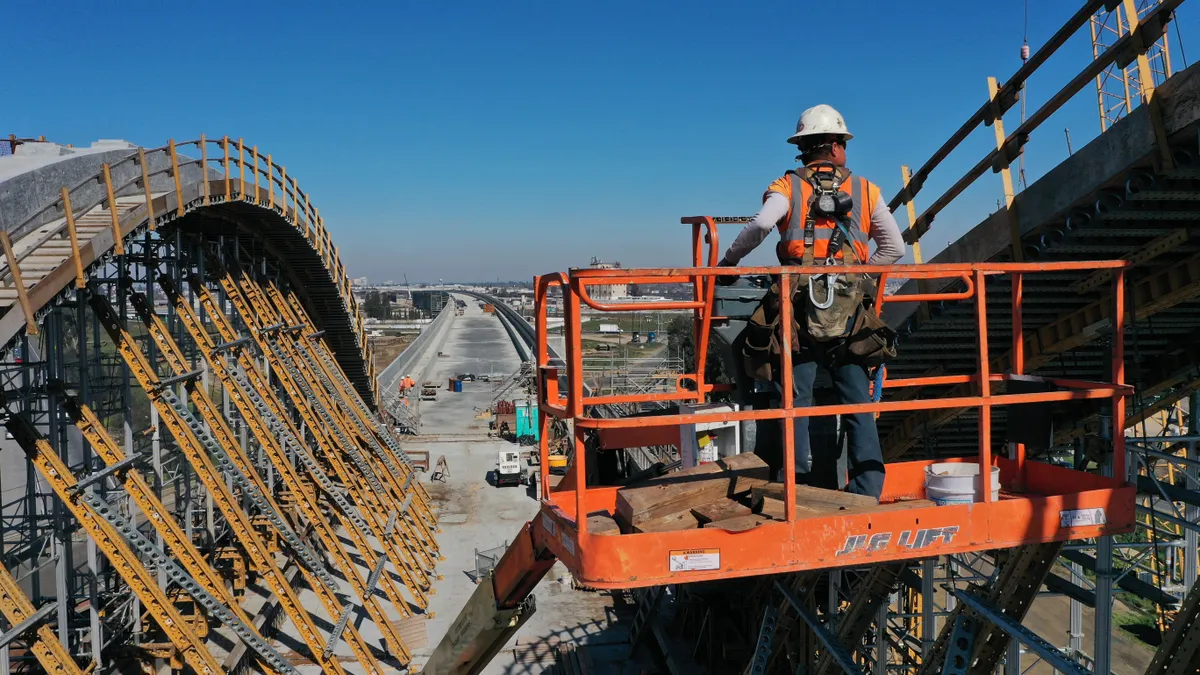
Through the Los Angeles County Metropolitan Transportation Authority’s Twenty-Eight by '28 initiative, the region has advanced major transportation investments, including rail extensions, bus rapid transit projects and improvements to roadways, cycling routes and pedestrian connections. These efforts build on years of transit expansion and reflect a broader commitment to making Los Angeles easier to navigate.
City leaders have also looked abroad for lessons. In 2024, Mayor Karen Bass and LA Metro CEO Stephanie Wiggins visited Paris to learn how the French capital was preparing its transportation systems and infrastructure for the Games.
Those investments and preparations provided a strong foundation. The World Cup offered a chance to see how that foundation performed under pressure and identified opportunities for further improvement. For example, LA Metro saw record surges during the tournament, with rail fare payments jumping 598% at one station on a match day compared with a typical Friday and light rail ridership on one line spiking over 41% compared to a typical Monday as fans avoided parking fees as high as $300 at SoFi Stadium. These patterns offer valuable insight into how people respond to major events and where transit services may need additional capacity. They also reinforce the importance of pairing infrastructure investments with accurate, timely information.
Throughout the World Cup, transportation agencies increasingly relied on real-time traffic intelligence to monitor changing conditions, identify emerging bottlenecks and adjust operations before small problems became regional ones. State and local coordination also played an important role, with California activating its State Operations Center and a Special Events Task Force to unify planning, while Caltrans deployed more than 800 personnel to manage the region’s complex traffic demands in real time.
This level of integration provides a blueprint for a resilient, long-term transportation legacy that will serve the city for generations.
Angelenos have a role to play
The responsibility for a successful Olympics doesn't belong only to city planners. Residents will shape the experience too.
That influence comes down to something surprisingly simple: when and how people choose to travel. During major events, even small shifts in travel behavior can ease pressure across the entire transportation network.
The World Cup put that on display for the world to see. While arrivals tend to spread across several hours, departures can create concentrated pressure on roads, parking facilities, rideshare zones and transit systems. Across the seven matches played at MetLife Stadium in New Jersey, post-match congestion averaged 108.1%, compared with 87% before kickoff, according to TomTom data, and five of the seven matches recorded worse traffic after the final whistle than before the match began.
That's an important lesson for Los Angeles.
Navigating the Olympics may not always mean people will avoid an area altogether. They may simply adjust when and how they travel, waiting an extra hour before leaving an event, taking Metro instead of driving or shifting a commute outside peak departure periods.
London embraced that strategy during the 2012 Olympics, encouraging residents to shift trips, work remotely when possible and use public transportation. Even modest changes in travel behavior helped prevent much larger disruptions.
Now, Los Angeles has an opportunity to do the same.
The legacy starts now
The Olympics will last just over two weeks, followed by the Paralympics. The decisions Los Angeles makes before, during and after the Games will shape the city for decades.
With major transit projects already underway, the city has an opportunity to use the World Cup's findings to sharpen its preparations and strengthen its transportation network for the years ahead.
The measure of success will extend well beyond how efficiently spectators reach Olympic venues. If Angelenos find it easier to get to the airport, downtown or a Dodgers game in 2030 because of the investments and decisions made ahead of the Olympic Games, Los Angeles will have achieved a lasting transportation legacy that benefits the people who use its roads and transit systems every day.