
Most cities have a detailed plan for the storm itself. Far fewer have one for the days after, when the water recedes or the ice melts and the cleanup begins.
That’s when waste collection shifts from a routine service to a frontline operation. A city can face thousands of tons of debris and a service-request backlog growing by the hour. What separates cities that clear it in weeks from those that take months is rarely fleet size. It’s whether their mapping, routing and data systems were connected before the storm hit.
Two cities put that to the test this past year: Milwaukee, which lost both transfer stations in a thousand-year flood, and Washington, D.C., which dug out from an ice storm so severe crews needed pickaxes.
A record flood with nowhere to take the waste
In August 2025, Milwaukee received more than 14 inches of rain in under 24 hours, a Wisconsin record. Some residents had three to four feet of water in their homes.
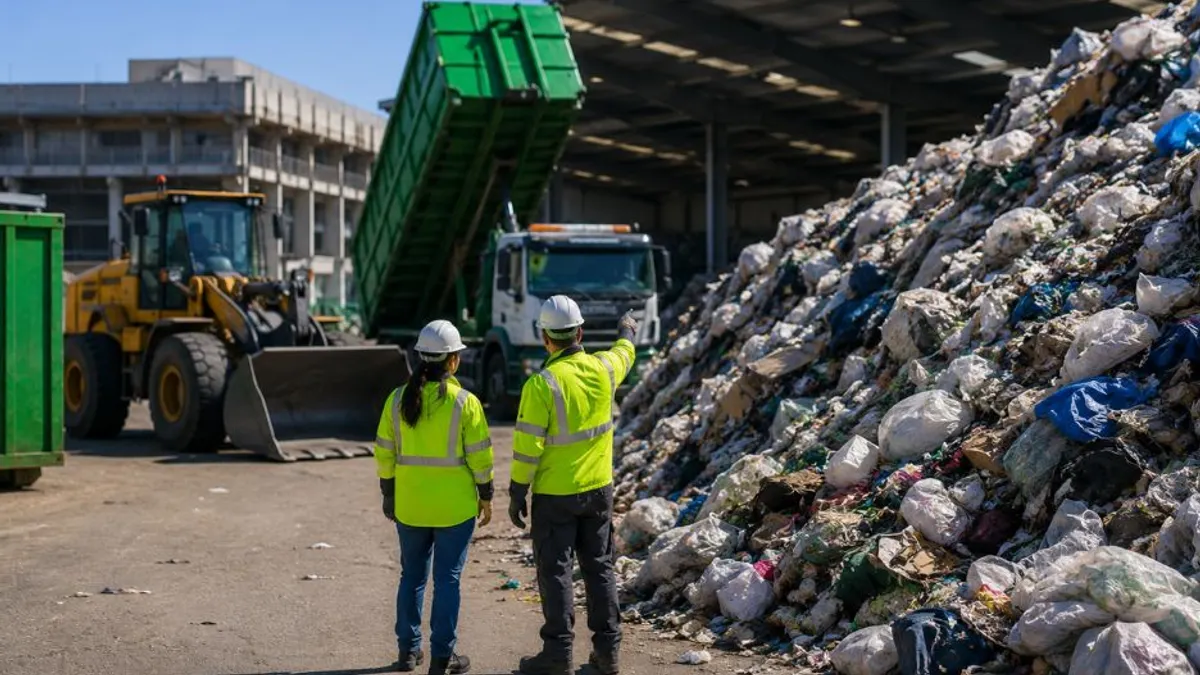
The city’s waste infrastructure failed at the same time. Both transfer stations went down from flood damage, power loss and failed compactors, forcing crews to haul directly to landfill and adding an hour to an hour and a half to every trip. The city deployed more than 50 of its own heavy machines plus 45 more from three contractors, and cleared more than 11,000 tons of debris.
Turning 311 calls into a live damage map
The technology coordinating that equipment mattered as much as the equipment itself. Milwaukee was only about a month into its Routeware SmartCity rollout, but it had already made Esri its single source of truth for location data and connected its 311 call center and legacy work order system to the routing platform.
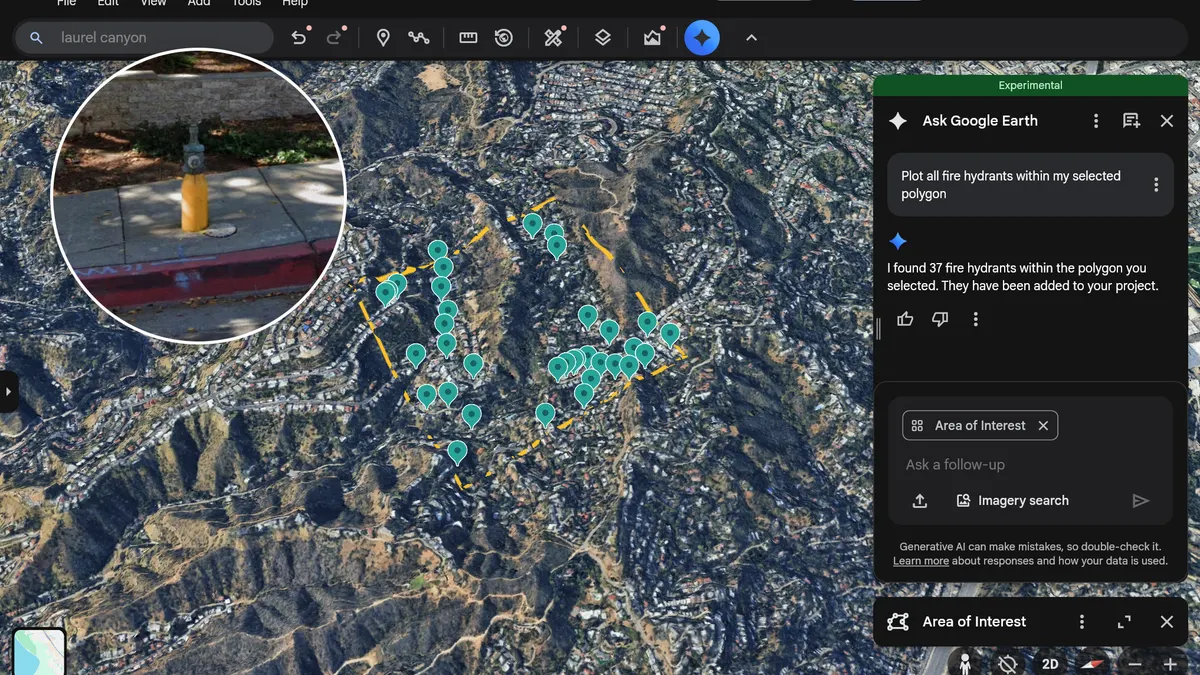
That let the team make one simple, powerful change: reclassifying bulky waste requests into a dedicated flood debris category. The result was live heat maps of the hardest-hit areas, at both a citywide and street-level view, replacing the quarter-section paper maps crews had used before.
Milwaukee finished the cleanup in two months, compared with four to six for a comparable past flood. The data captured along the way also helped support a $195 million FEMA grant for households across three counties.
When the backlog comes back all at once
In D.C., seven inches of snow followed by hours of sleet and freezing rain bonded into ice crews called “snowcrete.” Temperatures stayed below freezing for 10 straight days, and bulk collection was suspended for two weeks.
When service resumed, every missed pickup came back at once. The office team decided to drop the first-in, first-out approach and instead grouped the backlog by geography, running eight trucks instead of six in the densest zones.
Then leadership asked for eight new routes covering 5,000 missed trash and recycling requests, with crews trained and on the road by 6 a.m. the next day. The team delivered, pushing quick training guides straight to crews’ phones. When residents flagged even more unreported trash, the city shifted to clearing entire alleys, uploading custom routes in bulk.
Proof the work got done
D.C.’s most valuable tool turned out to be the camera. Through an Open 311 integration, crews photograph each completed stop and the image is logged where residents can see it. As political pressure mounted, those photos answered questions about delays and shut down fraudulent damage claims. The takeaway: in local government, it isn’t enough to do the work. You have to be able to prove it.
Built before the next storm
Neither city invented its core response mid-crisis. Both had connected their collection systems, mapping and 311 data ahead of time, so they could scale everyday operations into an emergency response instead of building new workflows under pressure. Both cities walk through their full response, including the live dashboards, in an on-demand webinar.
The next severe weather event is a question of when, not if. Cities that treat their daily collection technology as part of emergency planning will be the ones that recover fastest.
Routeware provides route optimization and operations software for municipal public works, solid waste and recycling programs and snow and sweeper fleets. Learn more at routeware.com.