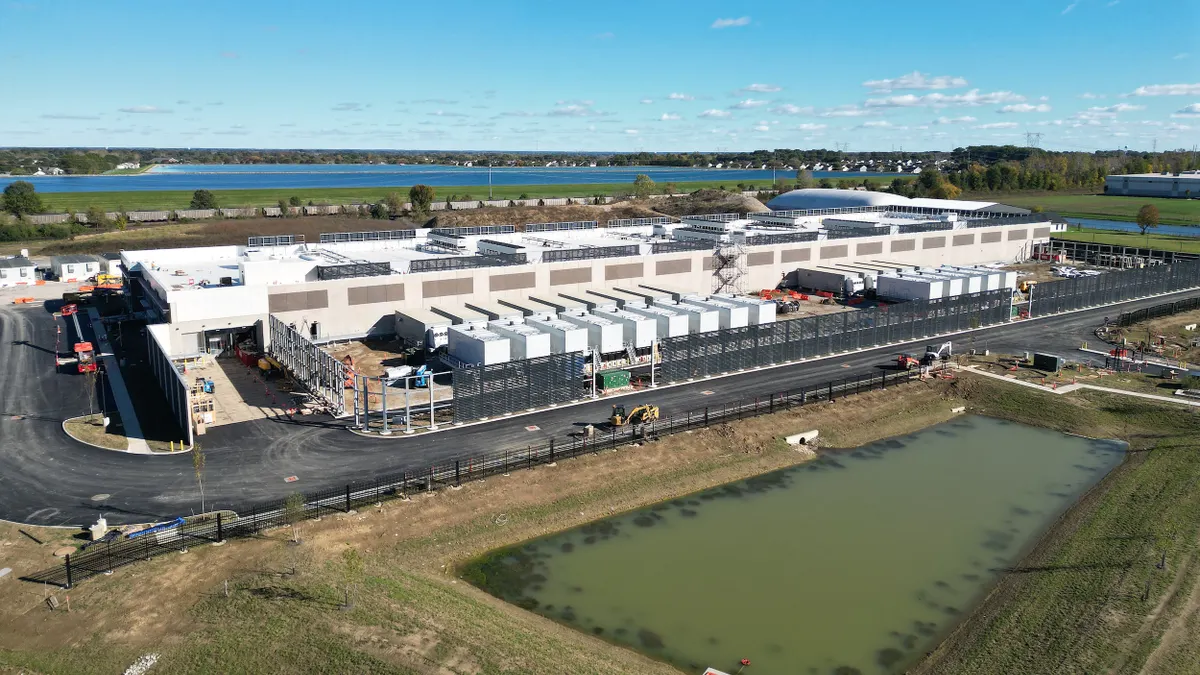
Voters in dozens of localities across 10 states will decide on 41 ballot measures related to data centers on Nov. 3, according to Ballotpedia. Seventeen of the measures call for prohibiting data center development, while eight would empower local governments to permit it.
At least 49 local ballot measures related to data centers have been or will be on the ballot in 13 states in 2026, according to Ballotpedia. All six that have already been decided limit development. Voters in Clarksville, Arkansas, will decide whether to authorize bonds related to specific data centers on Dec. 1.
More than half of the Nov. 3 ballot measures — 21 — are in Ohio, one of the fastest-growing hubs for data center investment with 257 data centers in the state. Eleven of the local ballot measures ask voters to prohibit data centers, and six call for zoning changes related to their development. At least 138 Ohio municipalities and townships have already placed moratoriums on data center development, and 23 communities in the state have effectively banned them, according to the Ohio Capital Journal.
A grassroots effort to amend Ohio’s constitution to prohibit data centers with a peak load of more than 25 megawatts per month missed the deadline to get on the Nov. 3 ballot, the Capital Journal reported. Its backers are working to get it on the ballot next year.
Local data center measures on Nov. 3 ballot
“It’s not surprising that we have this many local ballot initiatives on data center moratoriums, and particularly in Ohio because of the higher concentration there,” Ishyan Veluppillai, who tracks state and local data center policy for energy companies and investors at investment advisor group Capstone, told Smart Cities Dive. “As communities across this calendar year have been trying to respond to projects that are being announced in their own backyards, this is one of the tools that some communities are using to properly regulate the industry and future projects.”
As data center development accelerates rapidly to meet growing demand for AI compute, voters from both political parties are pushing back. Data centers have emerged as a central issue in the midterm elections, with more than $45 million spent on ads mentioning data centers in gubernatorial, House and Senate races between January and September, according to NPR. Spending on political ads discussing data centers increased 61% month-over-month in September, Marketing Brew reported.
“The mutiny is about the way this technology is being introduced into people's lives, and I would argue that that has been pursued in a shoddier way than usual,” Mark Muro, a senior fellow at Brookings Metro, said during a webinar last week about data centers on the ballot in the 2026 midterms. “People may be worried about electricity costs, or water, or automation, or agents going rogue, but more broadly, they seem to feel they have little say in how AI is being rolled out.”
“Depending on next week’s results, I think this momentum towards trying to get more community involvement will continue,” Veluppillai said. State officials could respond to the Nov. 3 election results by giving more autonomy to cities and counties over data center policy, he said.
“For city and county officials, I think the biggest implication is in pre-filing windows for the 2027 state sessions,” he said. “As soon as the elections are complete and we know which way the wind’s blowing for data centers, I think you’ll start seeing a lot of legislation get introduced.”