DR Richardson is the CEO of Elephant Energy, a multi-state home electrification platform company.
Four years after the Inflation Reduction Act helped jumpstart home electrification — and one year after the One Big Beautiful Bill rolled back key incentives — the heat pump industry is entering a new chapter.

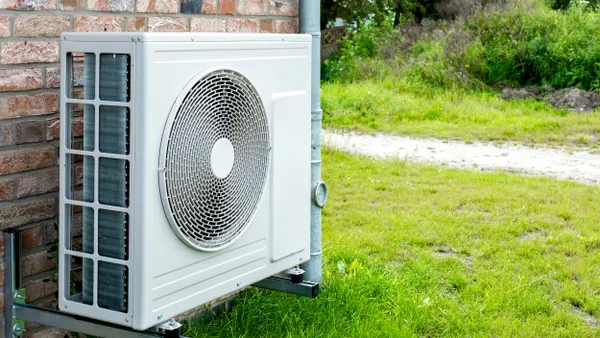
The technology has been shown to provide efficient heating and cooling, improve year-round home comfort and reduce energy bills over time, but price is still a significant barrier to mass adoption. The upfront costs can exceed $15,000, putting the technology beyond the reach of many households.
Temperatures are getting hotter and extreme weather events more frequent as electricity demand is rising and HVAC systems are aging. In response, communities are beginning to test a different solution: lowering costs by buying together.
The approach treats electrification less like an individual purchasing decision and more like community infrastructure, using collective demand to unlock lower costs.
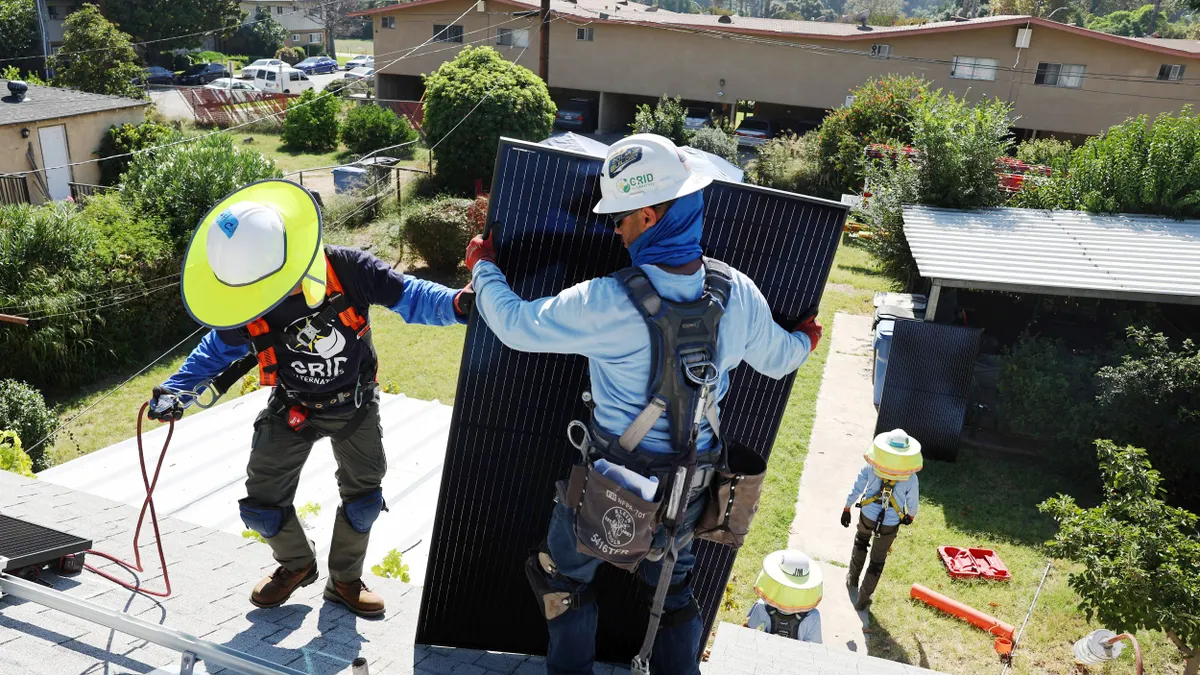
Similar to solar programs that have helped bring renewable energy to more households, heat pump bulk-buy programs allow neighbors to work together to secure better pricing on installations.
The concept is simple. Homeowners enroll through a community-backed program, allowing contractors to complete multiple projects within the same geographic area. By streamlining site assessments, project planning and installation logistics, contractors can reduce costs and pass those savings on to homeowners.
The benefits extend beyond lower prices. Bulk-buy programs simplify what can often feel like a complex and overwhelming purchasing process. They provide homeowners with trusted information, vetted contractors and a clearer path to adoption. Just as importantly, community participation builds awareness and confidence among residents who might otherwise delay or forgo an upgrade altogether.
Why this matters for lower-income families
Reducing upfront costs is important for all homeowners, but it is especially critical for lower-income families.
These households often face the highest energy burdens and are more likely to live in homes with aging HVAC systems, inconsistent cooling, poor indoor air quality and inefficient heating equipment. At the same time, they frequently lack the financial flexibility to make significant home investments, even when those investments would lower monthly utility bills in the long run.
Every dollar removed from the upfront price expands the pool of households that can make the switch. Bulk-buy programs can complement rebates, financing programs and utility incentives, creating multiple pathways for families to afford equipment that might otherwise remain out of reach.
States are stepping up, but affordability gaps remain
The elimination of federal tax incentives does not mean government no longer has a role to play in accelerating heat pump adoption. Across the country, states and local governments are implementing ambitious programs designed to lower costs and expand access.
In Colorado, for example, the Home Electrification and Appliance Rebates program helps income-qualified households offset the cost of technologies such as heat pumps, offering substantial financial assistance to make electrification projects more affordable. Programs like this provide important support and should continue. However, they alone cannot fully solve the affordability challenge. Even after rebates, many homeowners still face high out-of-pocket costs that can delay adoption.
States can accelerate adoption by making bulk-buying and group-purchase programs more accessible through partnerships with utilities, installers, community groups and nonprofits to negotiate lower equipment and installation costs, streamline permitting and provide residents with a trusted list of participating contractors. For example, the city of Glendale, in Los Angeles County, California, provides rebates for heat pump installations at point of sale, demonstrating how public-private partnerships can help make electrification more accessible.
Officials can also launch targeted outreach campaigns and host educational workshops to answer residents’ questions, using municipal facilities as demonstration sites to build awareness and confidence around heat pumps.
Creating policies that make heat pumps easier and more economical to install over the long term is essential. This could include updating building codes to encourage or require efficient electric heating, streamlining permitting and interconnection processes or supporting workforce training and contractor development.
To reach more households, especially those with tighter budgets, we must pair public incentives with market-based solutions that lower costs directly. Rather than asking families to navigate the transition alone, communities can help create pathways that make clean, efficient HVAC systems more affordable and accessible.
Communities can help drive the transition
While affordability for lower-income households should be a central priority, bulk-buy programs create benefits that extend well beyond a single demographic.
Greater adoption creates scale. As more homeowners install heat pumps, contractor networks expand, supply chains strengthen and market competition increases. Over time, these dynamics can help improve the customer experience and put downward pressure on costs for everyone. Tax incentives, rebates and government programs remain valuable tools and should continue wherever possible. But we cannot rely on government action alone.
The next phase of home electrification won’t be defined solely by new technology, but by new ways of making proven technology available. Communities that organize demand may prove just as important to accelerating heat pump adoption as the equipment itself.