
According to a recent report, 45% of Americans lack access to public transportation, underscoring the importance of reliable transit systems for communities across the country. Public transit helps connect people to jobs, healthcare, education and other essential services while also supporting economic growth, accessibility and sustainability goals.
As communities grow and transportation needs evolve, transit agencies are under increasing pressure to deliver services that are reliable, accessible and responsive to rider expectations. But building a modern fleet involves more than simply selecting new vehicles. Organizations must balance service demands, funding opportunities, community infrastructure considerations, accessibility requirements and long-term operational goals, all while navigating a procurement process that can be both complex and time-consuming.
Before purchasing vehicles, organizations should consider not only their current needs, but how those needs may change over the lifespan of the fleet. Decisions made today can influence maintenance costs, service reliability, operational abilities and future expansion efforts for years to come. Understanding these factors early can help organizations make more informed procurement decisions' investing in the right fleet vehicles for long-term success.
One of the first considerations is selecting the right vehicle type or mix. Transit organizations often serve a variety of communities and rider needs, which may require different vehicle types and accessibility features. Organizations may also evaluate factors such as route demands, rider growth, maintenance requirements and the availability of supporting community infrastructure. Funding and project timelines can also influence purchasing decisions. Acquiring these types of vehicles are often tied to grant funding, or a community’s broader modernization goals. As a result, procurement teams must balance strategic planning with budget considerations and project deadlines while ensuring compliance with procurement requirements.
Transit vehicle procurements often require coordination across multiple departments. Procurement teams may work alongside transportation leaders, fleet managers, finance teams, legal counsel and operational staff to ensure vehicle specifications align with organizational goals, funding requirements and service expectations. Evaluating vehicle capabilities, accessibility considerations, maintenance requirements and long-term operational needs can add additional complexity to the process.
To help address these challenges, many organizations are exploring procurement strategies that provide greater flexibility and efficiency. Cooperative contracting can help simplify the purchasing process, reduce administrative effort and provide access to competitively solicited contracts that support a variety of transportation needs.
For organizations seeking transit-focused procurement solutions, the NASPO ValuePoint Transit Vehicles and Related Options, Equipment & Accessories portfolio provides access to a broad range of vehicle categories and related equipment through cooperative contracts.
The portfolio includes:
- Motor Coaches
- Trolleys
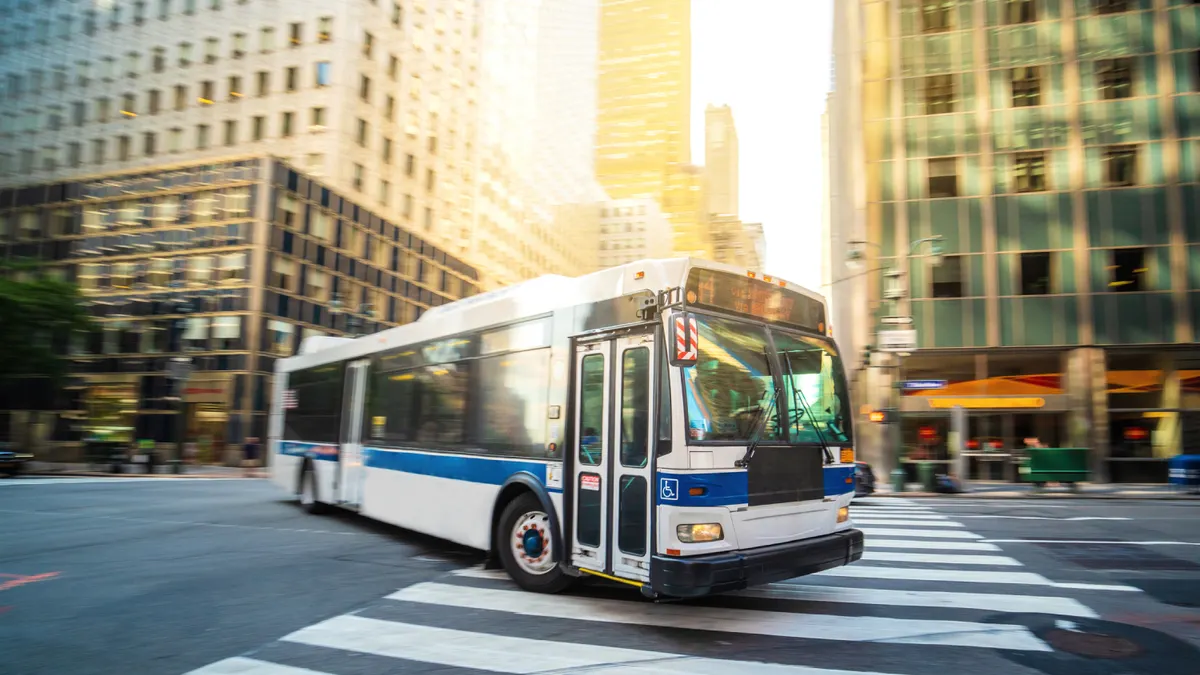
- Light and Heavy-Duty Transit Buses
- Alternate Fuel Transit Buses
- ADA Accessible Vans and Minivans
- Related Equipment and Accessories
Organizations can also explore customizable options that align with operational priorities, accessibility needs and long-term fleet planning strategies. In addition, procurement teams may be able to utilize Federal Transit Administration (FTA) funding to help support fleet modernization efforts, vehicle replacements, accessibility improvements and broader transit infrastructure investments.
For many organizations, the challenge is no longer whether transit systems need to evolve; it is how quickly they can put the right vehicles and community infrastructure in place to support that growth. Access to flexible contract solutions can help organizations respond more efficiently to changing transportation demands and streamline the process of keeping projects moving forward.
Remember to consider not only today's transportation needs but also long-term goals that those investments are intended to support. A thoughtful procurement strategy can help organizations build fleets that serve their communities effectively for years to come. Organizations can also explore additional cooperative contract solutions through NASPO ValuePoint that support infrastructure modernization, public safety, technology, facilities and other operational priorities.