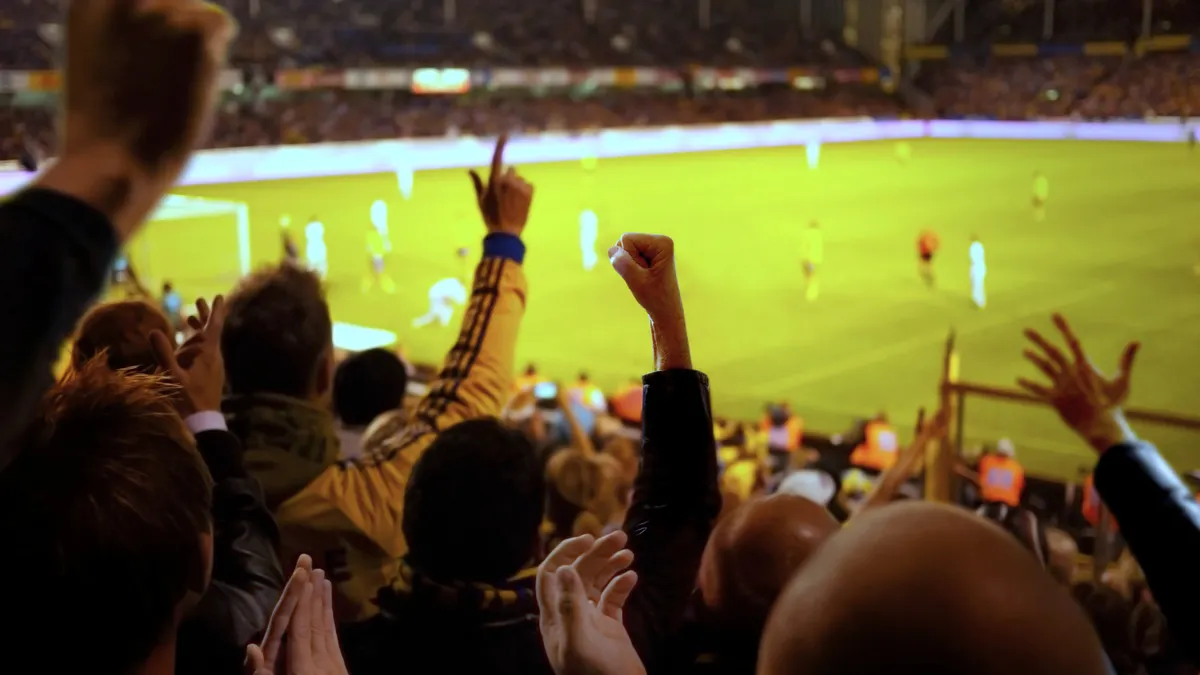

The world's attention has been focused on a handful of host cities during the FIFA World Cup, but the visitor experience didn't begin at the stadium gates. It began much earlier.
For many U.S. fans and international visitors, first impressions were formed well before they reached the stadium. As guests stayed in hotels outside the host cities, visited regional attractions, explored neighboring downtowns and stopped at local restaurants and shops, smaller communities became part of the fan experience, whether they planned for it or not.
The reality is that visitors rarely distinguish between where one city ends and another begins. Instead, they remember the overall experience. Was it easy to get around? Did public spaces feel welcoming? Were streets clean, well-lit and easy to navigate? Did the community feel vibrant and well cared for?
The stadiums may have hosted the matches, but the surrounding communities shaped the experience.
Every community leaves an impression
When people think about major international events like the World Cup, it's easy to picture packed stadiums, crowded streets and bustling host cities. Yet the impact of these events often stretches well beyond city limits. Visitors may choose hotels in neighboring communities to avoid costly rates in the host city, but their experience rarely stops at check-in. Once there, they shop, dine, visit local attractions and explore areas they otherwise might have missed. Their experience is shaped not by a single destination, but by every interaction they have along the way.
For local governments, this presents an opportunity.
A well-maintained downtown, inviting public spaces, accessible sidewalks, clear signage, reliable transportation and attractive community amenities all contribute to an experience visitors remember. These details may seem small on their own, but together they tell a story of a community's investment in itself.
That story matters. Communities that create positive visitor experiences can strengthen tourism, encourage repeat visits, attract new businesses and build a reputation as places where people want to live and invest. In fact, research shows that positive visitor experiences significantly influence whether people choose to return to a destination.
Infrastructure is often invisible, until it isn't
The best infrastructure rarely calls attention to itself. Visitors don't leave saying, "The street lighting was impressive." Instead, they remember feeling comfortable walking downtown after dinner. They remember finding parking without frustration, enjoying a clean public park, or navigating the community with ease.
From streetscapes and lighting to public buildings and transportation networks, infrastructure creates the foundation for those everyday experiences. When communities invest strategically, they improve more than operational performance. They create places that feel connected, accessible and welcoming for everyone who uses them.
Communities across the country are already taking this approach. In Vandalia, Ohio, for example, ESG partnered with the city on a long-term modernization plan that improved infrastructure while also supporting modern public spaces and positioning the community for future growth. The project reflects a broader reality for local governments: infrastructure investments are not only about maintaining assets. They are also about shaping how people experience a community.
The best visitor experience is also the best resident experience
Preparing for visitors shouldn't be viewed as a separate initiative from serving residents. The same improvements that make a community more attractive to visitors also greatly improve the quality of life for the people who call it home.
Well-maintained parks encourage families to spend time outdoors. Modern community centers create gathering spaces for residents of all ages. Safe, well-lit streets support local businesses while making neighborhoods feel more welcoming. Reliable utilities, accessible public facilities and revitalized downtown districts strengthen communities every day, not just during special events.
These investments also support economic development. A community that feels welcoming, accessible and well cared for is better positioned to attract return visitors, new businesses, future events and families looking for a place to call home.
People are drawn to places that demonstrate a long-term commitment to their future. For communities competing for employers, residents and investment, infrastructure shapes far more than daily operations. It boosts their economic growth and reinforces community pride.
Great communities are built long before the spotlight arrives
Major events like the World Cup create moments when communities beyond the host city can find themselves in the national, and even global, spotlight. But a successful county, city, or town isn’t built around a single event.
They are built through thoughtful planning, strategic investment and a long-term vision that serves both today's residents and tomorrow's opportunities.
Long after the final whistle blows, the communities that leave the strongest impressions won't necessarily be the largest, the busiest, or the closest to the stadiums. They'll be the ones where people feel welcomed, connected and encouraged to come back. The question isn't whether your community will make an impression -- it's what impression it will make.
Communities may not know when their next moment in the spotlight will come, but thoughtful infrastructure investments can help ensure they are ready when it does.
Learn how ESG helps cities and counties create stronger, more welcoming communities.