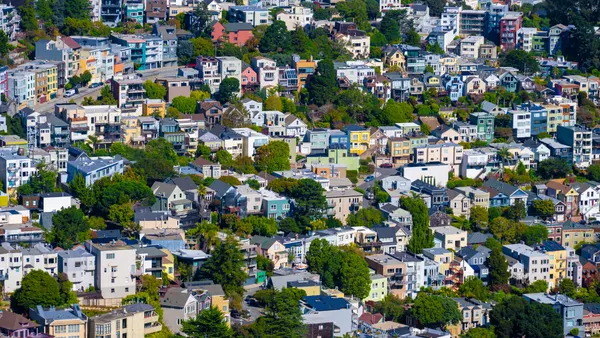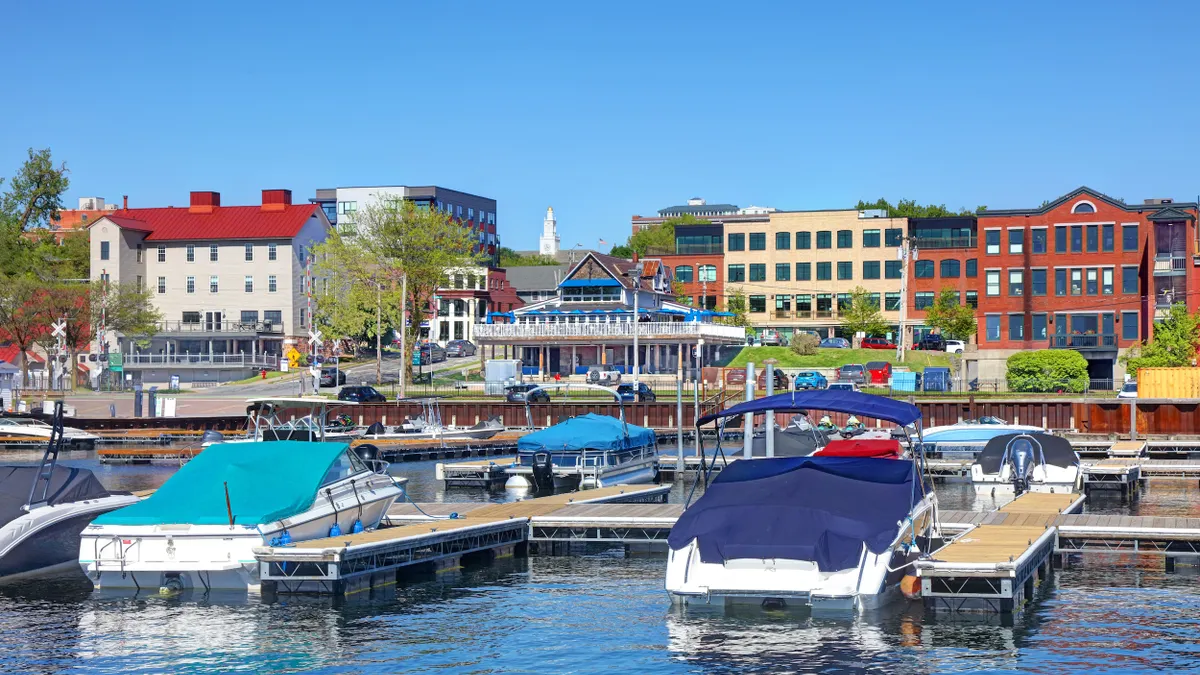
Boston, Washington, D.C., and Burglington, Vermont, are the best places to work in the U.S., according to Indeed.
The job search website released its inaugural Best Cities for Work 2026 report on Tuesday, scoring 40 metrics across six pillars — job opportunity, compensation, job quality and security, career mobility and dynamism, work-life and flexibility, and economic opportunity — for the 233 U.S. metro areas that have more than 200,000 residents.
“The big coastal knowledge hubs are here in force — Boston, Washington, San Jose, San Francisco, Seattle,” the report states. But so are less-obvious cities like Burlington, Vermont; Madison, Wisconsin; Rochester, Minnesota; Fargo, North Dakota; and Omaha, Nebraska. The report's theme is that wages and upward mobility are strong in big coastal cities, while smaller northern and Midwestern areas offer more opportunities.
As of July, the nationwide unemployment rate was 4.1%, according to the Bureau of Labor and Statistics. But that isn’t a fully representative figure, Cory Stahle, a senior economist at Indeed who helped with the report, told Smart Cities Dive.
“Too often we report the economy as just one national number, but the reality, as we see in this data, is oftentimes the economy is going to feel very different for you based on where you’re standing and where you’re looking to work,” Stahle said. “I think this is helpful because it can be the best place to work, not just in general, but the best place to work for you.”
The report includes an interactive tool that lets people filter cities’ work opportunities based on the six pillars. They can search for areas strong in compensation like the Silicon Valley or Durham, North Carolina, which ranked 4th and 22nd overall, but first and 12th for compensation. Those prioritizing professional-personal harmony might want to consider Boulder or Fargo, which sat outside the top 10 in the overall list but topped the chart for work-life balance.
All the pillars interconnect. Cities with more walkability often have longer commutes, for example. “If you’re commuting by foot, you tend to take a little bit longer,” Stahle said. That’s where personal choice comes in. “It’s a tradeoff. A lot of job seekers would be willing to take a little bit longer to get to work but be able to not have to sit in traffic,” he said.
The report combines publicly available data from BLS, the U.S. Census Bureau, County Health Rankings and Roadmaps, and other sources with May 2026 data from Indeed Hiring Lab’s wage tracker; AI Tracker, which tracks AI job postings; and an index Stahle built to measure the number of open jobs vs. the number of available workers.
While it targets job seekers, the report has takeaways for employers and policymakers, too. They can use what the top-ranking cities get right as models for change, Stahle said. “This gives you a tool to look at things from this diagnostic perspective and say, ‘Maybe this is something we should think about,’” he said.
The following are the 10 best cities for work, according to Indeed’s report.
- Boston metro
- Washington, D.C. metro
- Burlington, Vermont
- San Jose, California, metro
- San Francisco metro
- Madison, Wisconsin
- Rochester, Minnesota
- Seattle metro
- Austin, Texas, metro
- Charlottesville, Virginia