As another heat dome roasts the U.S. this week, a new Climate Mayors study confirms what many residents already sense: Extreme heat is more frequent and deadly, and they’re counting on local governments to help them cope. But fragmented information and messaging are hampering leaders’ ability to get residents the guidance they need.
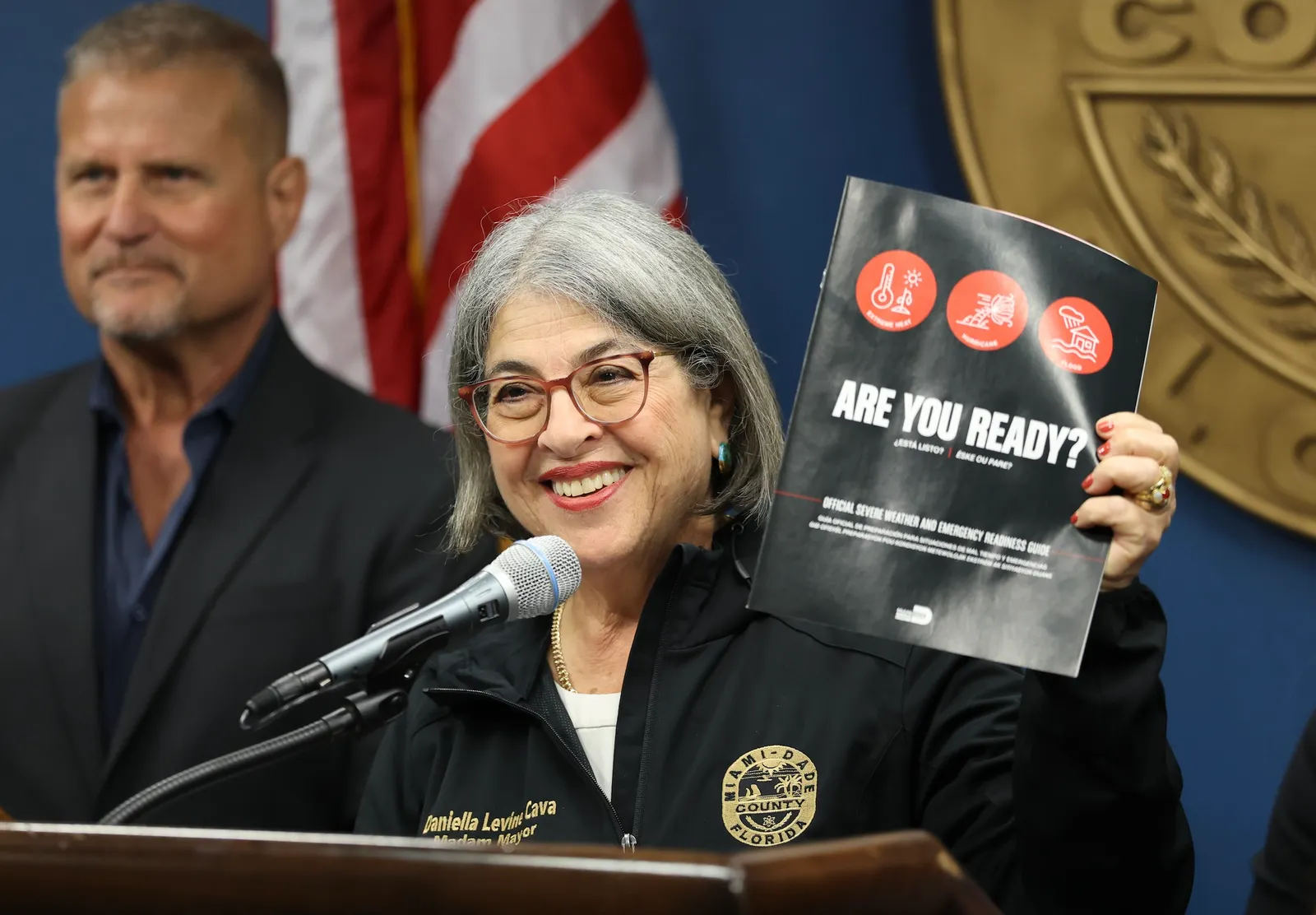
“Awareness alone is not enough,” Miami-Dade County Mayor Daniella Levine Cava told Smart Cities Dive. “People want to have clear, practical information that they can use immediately, as well as reminders to be proactive.”
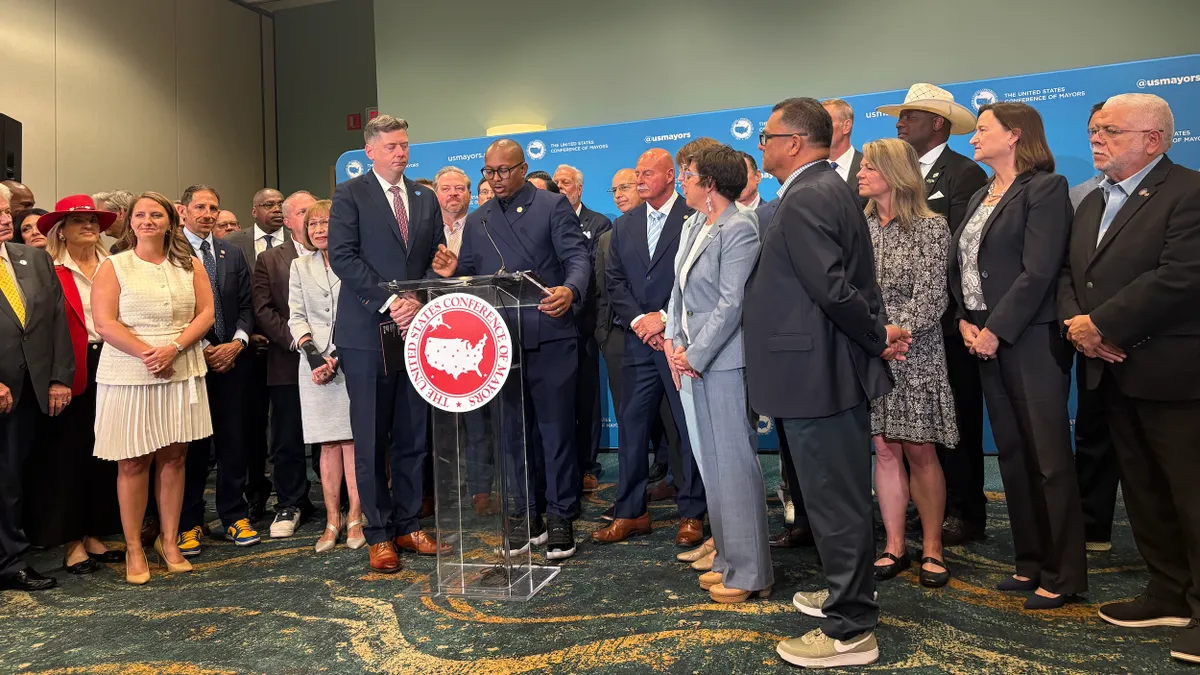
Levine Cava and Tucson Mayor Regina Romero led the Climate Mayors Extreme Heat Cohort that created the Climate Mayors Extreme Heat Toolkit, drawing on interviews and surveys with residents across five metropolitan regions to help local leaders communicate effectively about extreme heat. The toolkit includes strategic messaging to help city leaders position heatwaves as a public safety and quality-of-life issue; ready-to-use social media and public information campaigns; and audience profiles showing how different populations experience extreme heat and what information they need most.
Residents want local leaders to show them what actions to take and direct them to sources of relief and support during extreme heat events, according to the toolkit. Effective communication helps them navigate heat-related challenges in the areas of health, affordability, transportation, housing, caregiving and access to services, it states.
“The number one goal is to inform, prepare and protect people,” Romero told Smart Cities Dive.
Here are five takeaways from the toolkit and the research that informed it.
1. Frame messaging around lived impacts, not climate science.
Conversations about extreme heat should focus on how it affects residents’ health, finances, routines and quality of life, according to the toolkit. “This approach starts with the challenges residents experience firsthand and connects them to the resources, support, and actions that can help,” it states.
“When it’s 107 degrees in Tucson, people don’t experience it as, ‘oh my God, it’s so hot,’” Romero said. “They feel it through their daily lives — higher utility bills, disrupted routines, unsafe working conditions and worrying about their loved ones, especially the elderly, children, the unsheltered and low-income families, the most vulnerable amongst us.”
Instead of abstract weather forecasts and future climate impacts, messaging should focus on personal issues like health and safety, reducing cooling costs and helping neighbors and vulnerable community members stay safe, the toolkit advises.
2. Provide resources and solutions instead of warnings.
Levine Cava and Romero pair their messaging with tangible investment in programs and infrastructure that help residents stay cool.
Tucson adopted a data-driven heat action road map in 2024 that includes a worker protection ordinance for city contractors as well as 61 strategies and actions that guide the city’s heat-resilience policies, Romero said.
Miami-Dade County looks at heat “as a public health and resilience investment like stormwater systems, drinking water infrastructure or emergency shelters,” Levine Cava said. The county installed air conditioning in 1,700 units of public housing, is planting shade trees in parks and has installed shade shelters at public transit stops and cool roofs on many county buildings, she said.
3. Use data to target information and improve reach.
Communication must be targeted to local conditions and audiences, the toolkit advises, and relevant data is key.
In Tucson, residents weren’t going to cooling centers because they either didn’t know about them or couldn’t get to them, Romero said. So, the city worked with the 911 communications department to analyze where most heat-related calls were coming from and focused cooling centers and outreach in those areas. City workers went door-to-door offering heat-relief kits and instructions on how to cool down in both English and Spanish.
4. Speak to residents in their language and through trusted partners.
“The messenger can be just as important as the message itself,” the toolkit states. Residents are more likely to act on information from trusted sources like faith leaders and community organizations — and overcoming language barriers is crucial.
Romero, who is bilingual, posts social media alerts in Spanish, and Tucson works with a community organization that sends Spanish speakers to inform community members about how to protect themselves from extreme heat. Miami-Dade County posts heat-related information on a trilingual website and partners with organizations like the CLEO Institute, a climate justice organization that is a “trusted voice in the community,” to help distill information, Levine Cava said.
“Community partnerships are so important in communication, particularly with our workforce and our undocumented residents,” said Jen Cheek, Miami-Dade County’s resilience coordinator. “There has been a relationship built up with them on a variety of issues, so working with them to distill heat messaging is really effective.”
5. Extend reach through cross-sector partnerships.
The toolkit advises city leaders to partner with healthcare providers, utilities, weather experts and local media to reinforce heat messages.
Tucson Electric Power, a private utility, contributed $100,000 to the city’s Million Trees Initiative, a key piece of its heat action road map, Romero said. As part of negotiations to renew its franchise agreement, Tucson and TEP are developing an energy collaboration agreement in which TEP will provide $2 million per year in climate and resiliency investments, Romero said.
Miami-Dade County created a network of air-conditioned county-owned buildings that serve as cooling sites, and the Department of Emergency Management includes heat safety messaging as part of its public information efforts, Levine Cava said. “We also lowered the actual temperature for extreme heat warnings because of the high humidity and worked with the National Weather Service to routinize that so we could alert people earlier to the risks,” she said.