Boston has moved past awareness-building and broad planning on climate and resilience. Its 2030 Climate Action Plan, released Monday, focuses on implementation, execution and measurable progress.
“We’re having to create a new model for what it looks like to be a city that is really clear on what it wants to do and is accomplishing what needs to be done on climate change,” Oliver Sellers-Garcia, Boston’s Green New Deal director and environment commissioner, told Smart Cities Dive.
Driven by mitigation — rapidly reducing emissions from buildings, transportation and energy — and resilience strategies designed to protect people and infrastructure from the impacts of climate change, the plan released Monday is a road map to making Boston carbon neutral by 2050. It sets goals for optimizing coastline resilience, curbing the effects of extreme heat by expanding the city’s tree canopy, aiming to deliver healthier living and working environments, addressing historic inequities and reducing emissions while protecting the communities most exposed to climate risk.
To do so, it includes targets around small building decarbonization, reductions in passenger travel and electrification of the city’s heavy-duty vehicles, collectively aimed at cutting emissions in half by 2030.
Sellers-Garcia identified five principles Boston leaned on to create its plan.
Frame climate action around quality of life and affordability
Data and science — which Sellers-Garcia called the “north star” in a city that’s home to world-class research institutions — are the plan’s foundation, he said. But numbers alone can’t capture the affordability, health and environmental justice goals that drive it, he added.
The plan emphasizes healthier buildings, sustainable transportation, clean energy, waste reduction, green space and workforce development — issues that touch Bostonians every day — showing that climate policy can advance multiple goals at once.
“We have [done] so much work in analysis on this plan,” Sellers-Garcia said. “I don’t mean to underplay that, but the answer has been in front of us all the time — it’s to make people’s lives better. … What are the things that are going to help you grow economically and bring more happiness and justice to the people you serve?”
Embed climate justice from the start
The plan prioritizes decision-making and investments for the more than 80% of Boston’s residents who live in environmental justice neighborhoods.
Embedding climate justice as a guiding framework shapes many of the plan’s strategies, including:
- Targeting building decarbonization and energy efficiency investments toward affordable housing, rental units and neighborhoods with high energy burdens.
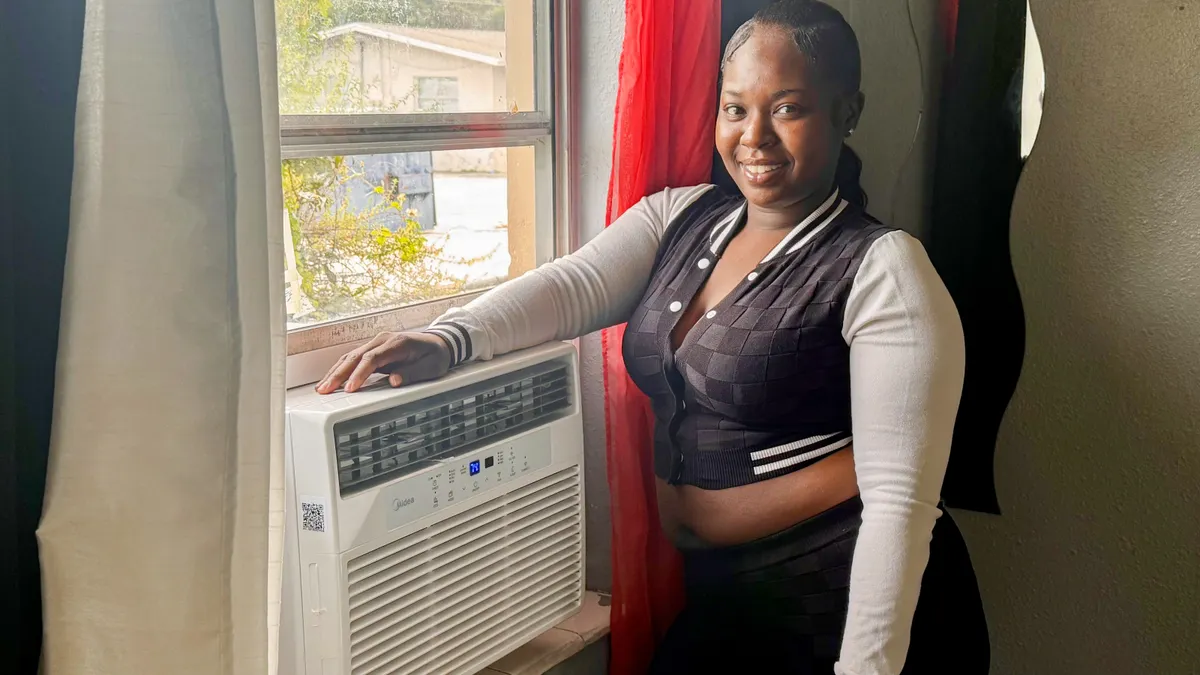
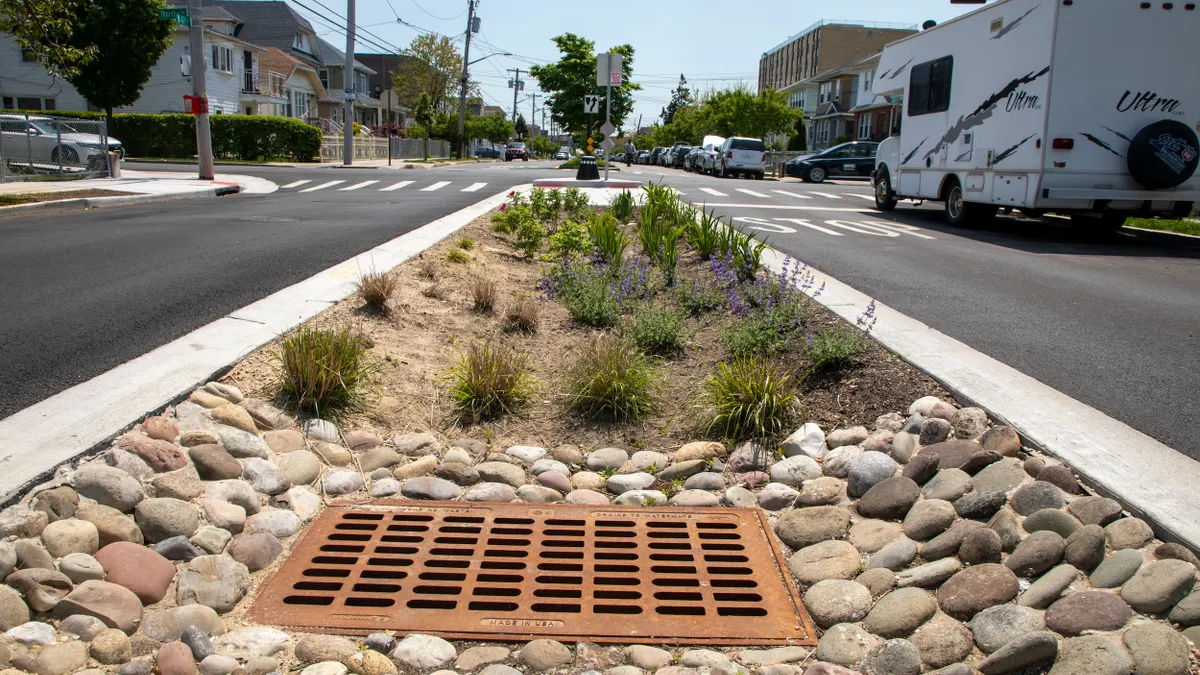
- Implementing tree planting, green infrastructure and cooling interventions in neighborhoods with the highest urban heat island impacts and lowest tree canopies.
- Investing in habitat restoration projects that enhance public access to nature.
- Designing coastal resilience and flood-protection projects that minimize displacement.
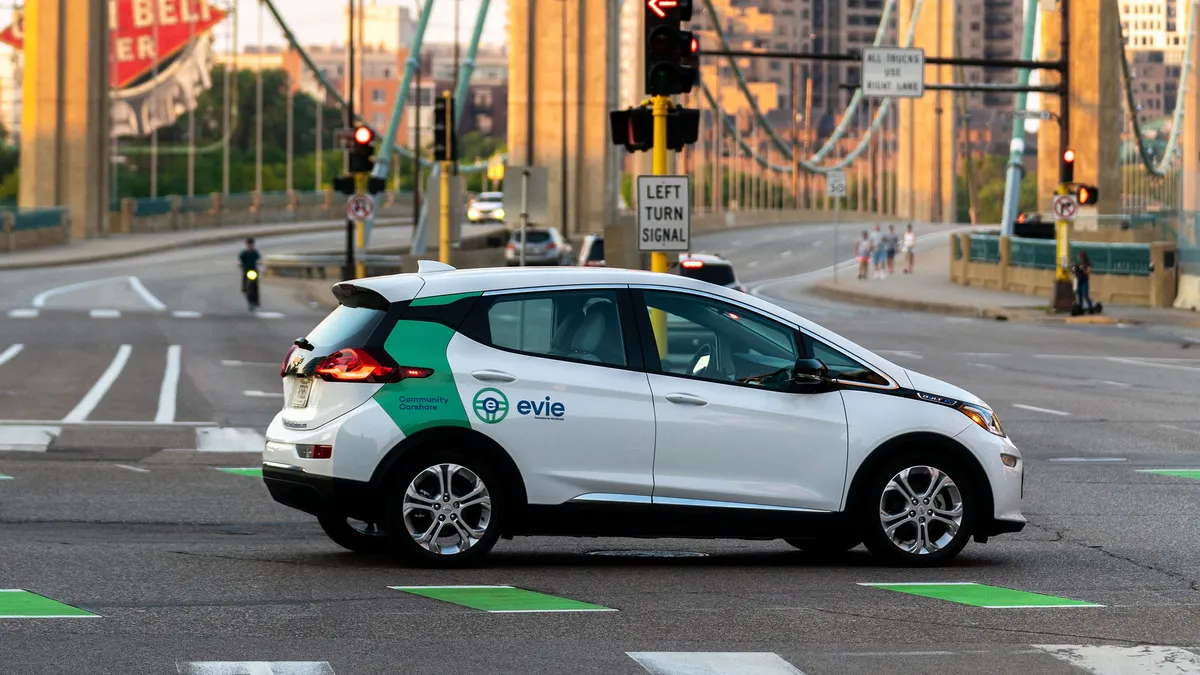
- Expanding access to efficient public transportation options in transit-dependent communities.
- Centering workforce development and green jobs in communities excluded from economic opportunity.
Focus on accountability — and be honest about progress
Boston holds itself accountable with annual reporting and a trackable dashboard that indicates where progress and funding have stalled in addition to where plans are succeeding. “We’ve never hidden it on our dashboard,” Sellers-Garcia said. “I think it’s good to be open.”
Making the dashboard searchable by neighborhood is key, Sellers-Garcia said. It allows policymakers to determine things like whether to add more shared bike stations or accelerate bus networks in certain areas, as well as how and where residents are benefiting from heat-protection strategies. “The feedback loop is there in a way that actually advances justice because we have the data for it now,” he said.
Build durable stakeholder coalitions across administrations and sectors
Partnerships with the state, institutions, business groups, philanthropy and community stakeholders help raise funds and sustaining action, Sellers-Garcia said.
Boston’s Green Ribbon Commission, convened 16 years ago under a prior mayor, has persisted across multiple administrations and now includes major hospitals, universities and employers who have voluntarily exceeded building performance standards, he said.
Alignment and cooperation at the state and regional level have also been key, he said. For example, Boston has worked with coalitions of municipalities to change building codes that advance climate goals, he added.
The key to working through administrations regardless of which political party is in charge “is recognizing that we have different roles that we can play at the city level,” he said. “We can do some things that they can’t do, and we test it out for them.”
Use federal funding to prove concepts — not to sustain programs indefinitely
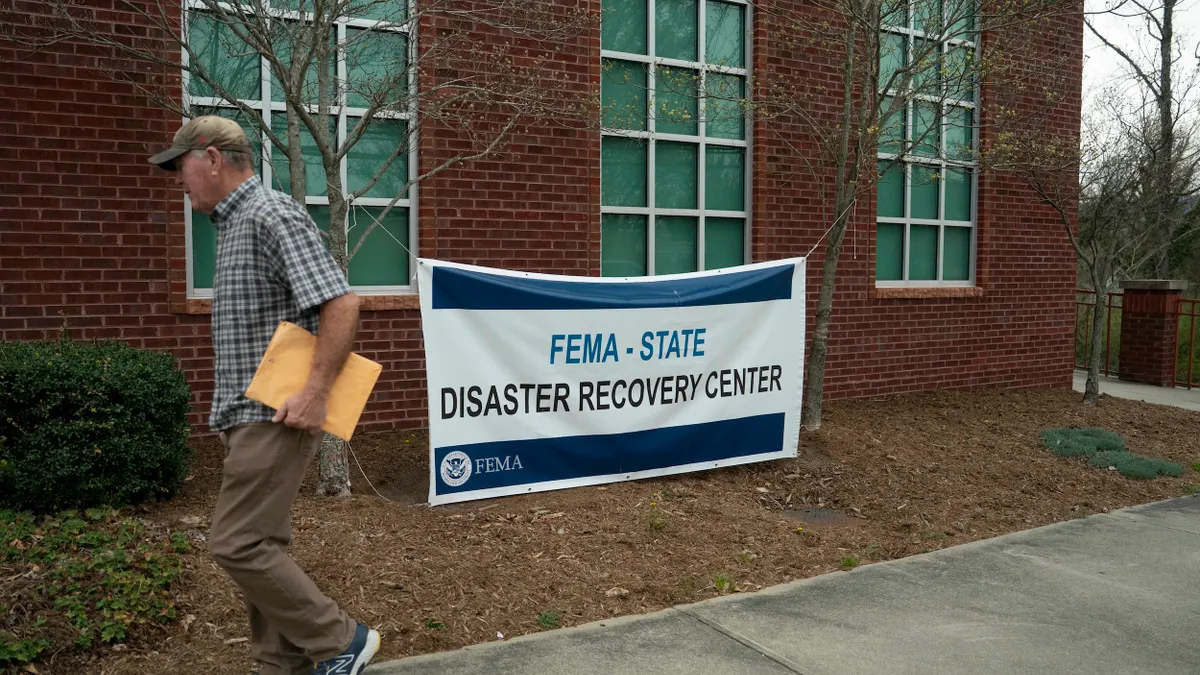
Shifting federal priorities under the Trump administration have impacted funding for renewable energy and environmental justice projects, and multi-year funding streams have stalled, according to the plan. Boston has pivoted to using federal funds to pilot programs and build networks rather than assuming they will last indefinitely, Sellers-Garcia said.
Last year, when the U.S. Environmental Protection Agency rescinded a grant to replace gas stoves with induction stoves in affordable homes in Dorchester, Massachusetts, the community used funding from a pollution-abatement fund to continue the project and prove the concept, he said.
Sellers-Garcia said Boston’s housing department has done “some amazing work with COVID recovery funds” to decarbonize affordable housing, using the money to build relationships with landlords and contractors and determine which city programs could be looped in. “That has been accomplished,” he said. “So, we made the best of the federal funding when it was available.”