Dive Brief:
-
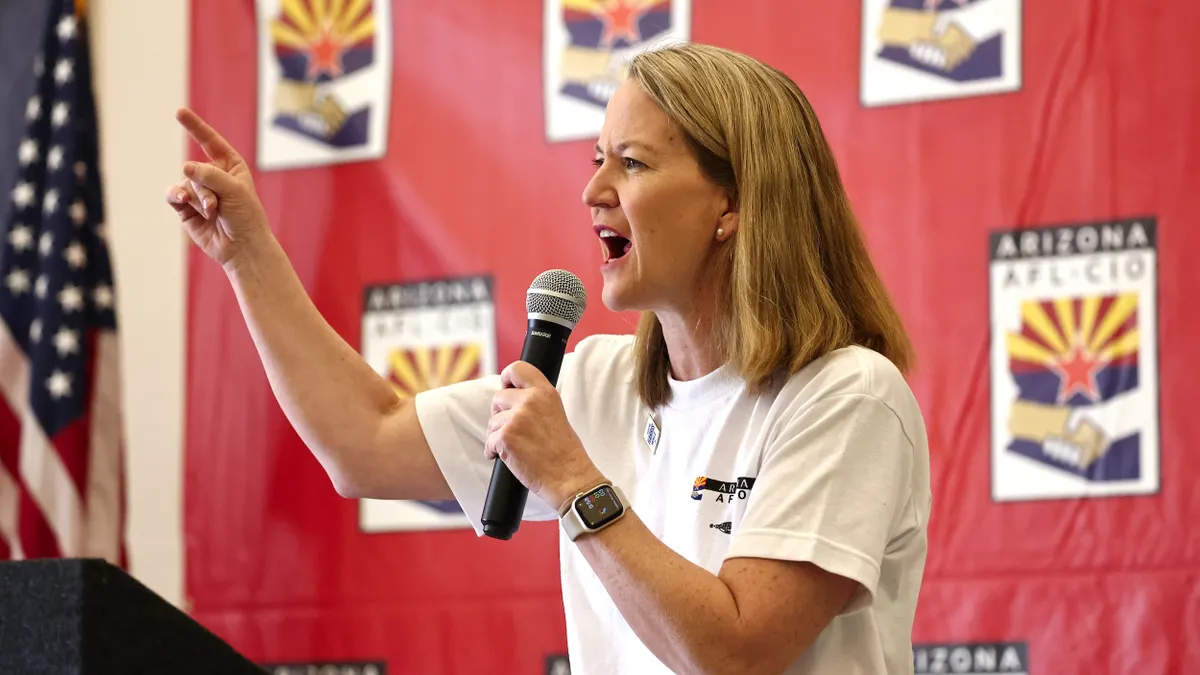
Arizona Attorney General Kris Mayes sued the owners and managers of three affiliated apartment complexes in Tucson, Arizona, for failing to supply residents with adequate air conditioning, among other alleged patterns of “neglect.”
- The lawsuit, filed Aug. 7, said the tenants’ risk exposure has been “particularly pronounced during the 2026 summer” as they were without adequate air conditioning during “ruthless, triple-digit heatwaves” and temperatures inside their homes reached as high as 98.9 degrees Fahrenheit.
- Mayes and Arizona State Sen. Lauren Kuby in February introduced a bill that would require “fit and habitable” indoor temperatures for rental housing that must not exceed 82 degrees Fahrenheit or fall below 68 degrees Fahrenheit during periods of extreme cold.
Dive Insight:
Over the past two years, Mayes has issued a spate of demand letters and sued landlords for providing allegedly inadequate air conditioning. The Aug. 7 lawsuit calls for a temporary restraining order and preliminary injunction, alleging a pattern of neglect that potentially violates the Arizona Consumer Fraud Act and the Arizona Residential Landlord and Tenant Act.
Arizona landlords are required to fix broken air conditioners within five days of written notice if temperatures rise to a level that presents a health and safety risk, according to the attorney general’s office. The time frame may be shorter if inside temperatures climb higher than what individual city codes allow.
Mayes warned landlords of these obligations and reminded tenants of their rights in an April 7 press release after an early heat wave pushed temperatures in the state to over 20 degrees above normal. "Extreme heat poses a serious health risk, and it is unacceptable for tenants to be without proper cooling,” she said in a statement. "Landlords and management companies must take swift action when cooling systems fail so that tenants have safe and habitable living conditions in accordance with the law."
As more cities are recognizing extreme heat as an issue, they’re taking actions to protect renters.
In June, Washington, D.C., Attorney General Brian Schwalb sued the owners of two apartment buildings alleging chronic habitability problems, including a lack of air conditioning.
The Los Angeles City Council in February unanimously backed a motion directing the city to adopt a maximum indoor temperature standard of 82 degrees Fahrenheit for rental housing after Los Angeles County adopted a similar standard.
“Extreme heat is the deadliest climate threat we face, and in Los Angeles it’s tenants — especially low-income families, seniors, and medically vulnerable neighbors — who have been left to suffer it behind closed doors,” Councilmember Eunisses Hernandez said in a Feb. 17 statement. “Today, by passing an 82-degree maximum indoor temperature standard, we closed that dangerous gap and affirmed that housing is a public health issue in a warming world. Safe homes should never depend on your zip code or your income.”