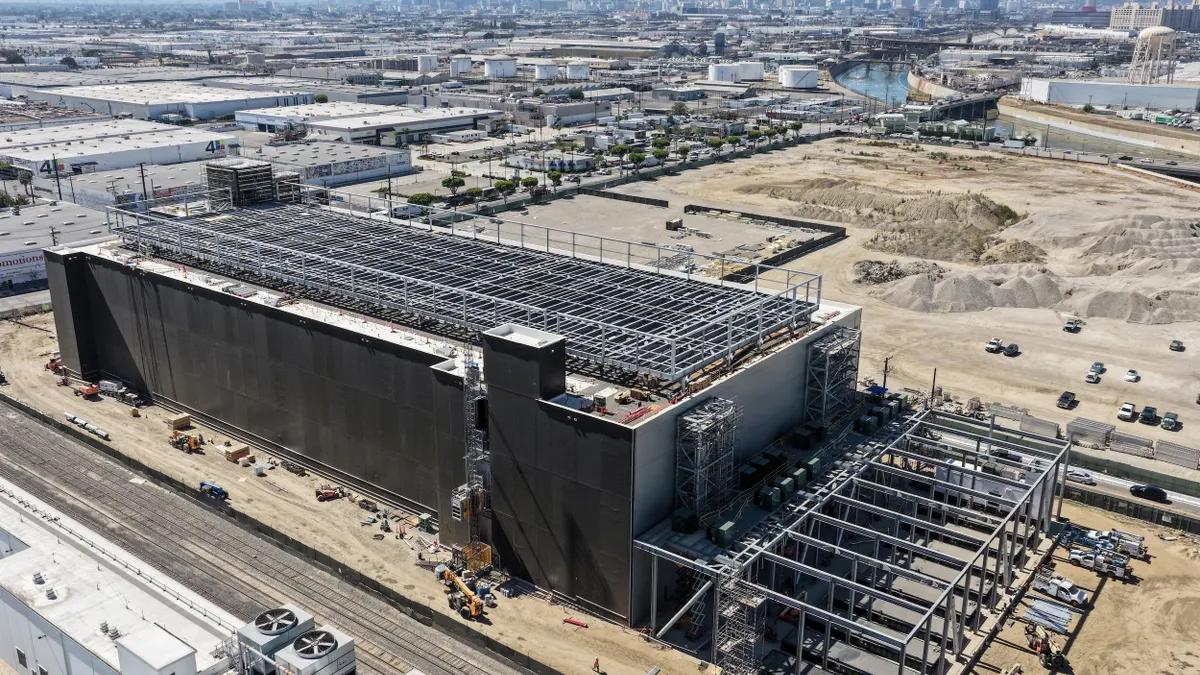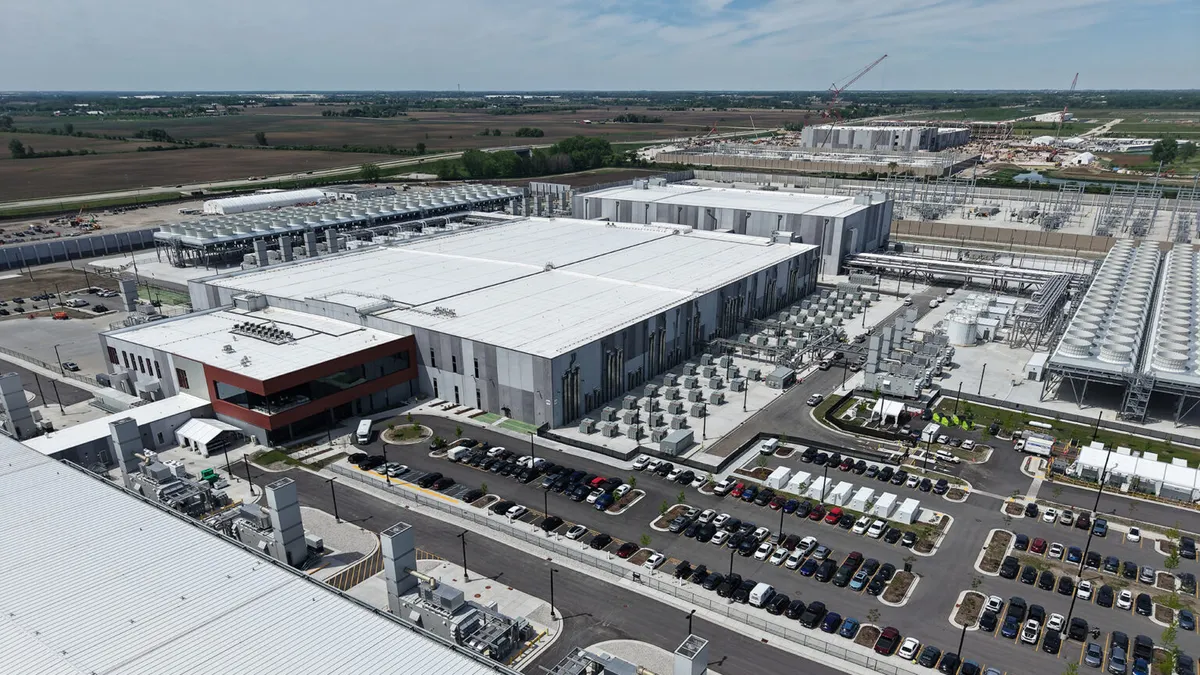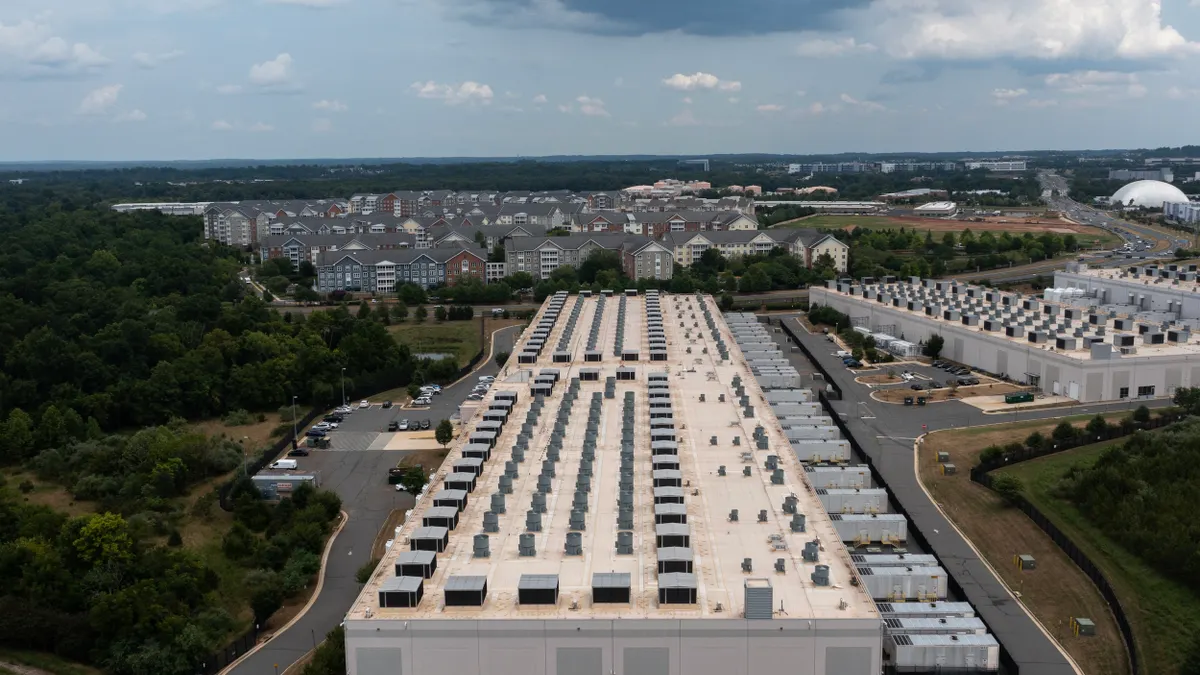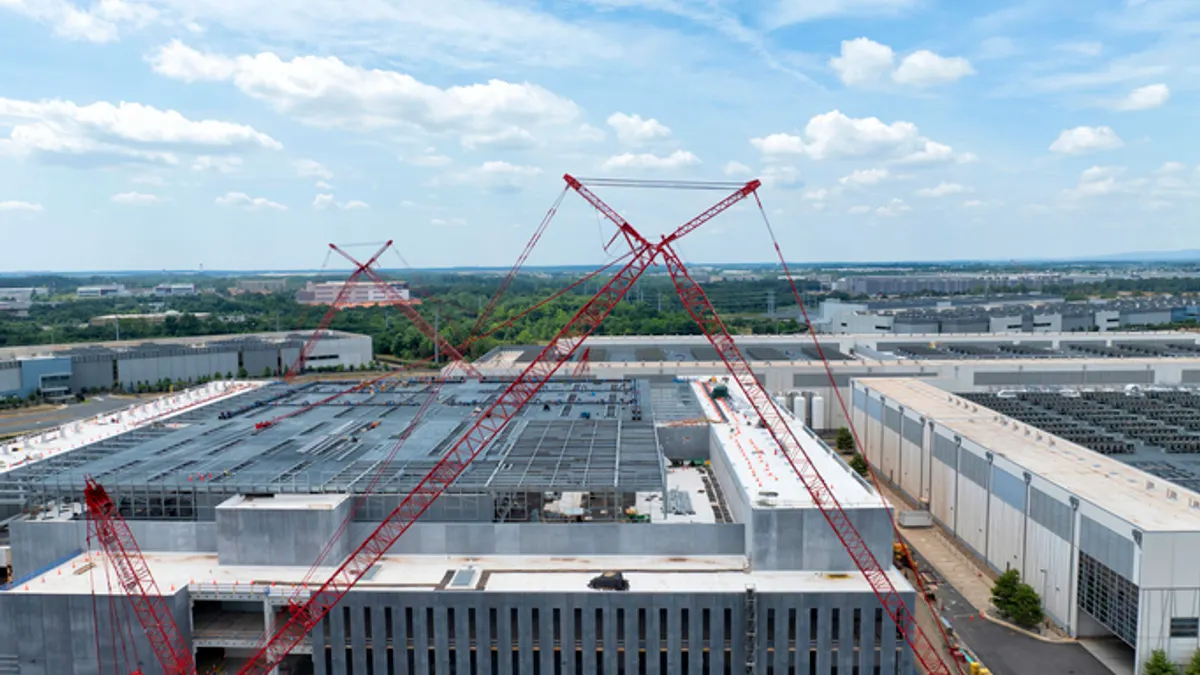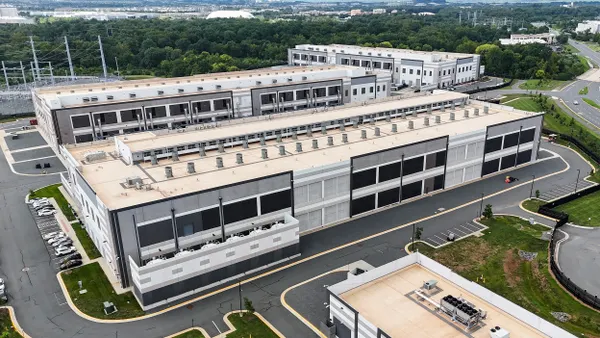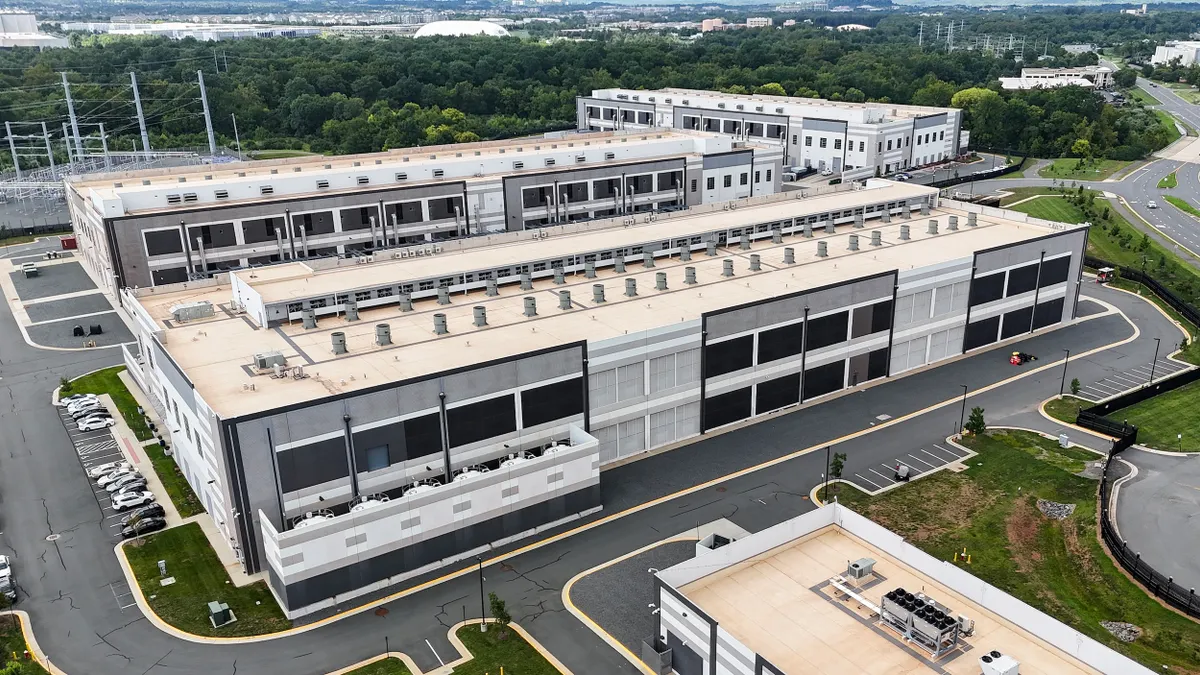
The South has become the nation’s largest hub for data centers, “and communities from city neighborhoods to rural towns are feeling the impact,” Amanda Garcia, data center project leader for the Southern Environmental Law Center, said during a Climate Week NYC event last week.
The pace of the data center buildout in the region is overwhelming local government systems, the panelists said. Places like Loudon County, Virginia — which has more than 200 data centers in what is known as Data Center Alley — are struggling to keep up with the boom, Garcia said.
“The AI buildout is happening faster than our systems can absorb it — faster than the grid can be built, faster than our regulators can respond, faster than the state and local governments who will ultimately decide where these facilities can be sited have time to craft their rules,” said SELC President and Executive Director DJ Gerken. “Speed like this operates like a stress test. The data center explosion did not create the cracks in our system, but it is revealing them and putting them into sharp focus.”
Opposition to data centers is broad and not bound by political lines, the panelists said. “Everybody’s got some beef with these things,” said David Roberts, founder of Volts, a newsletter and podcast about clean energy. And “people are not standing on the sidelines,” Garcia added. “Grassroots organizers and advocates are working alongside communities to push for change at the local level while calling for greater transparency and policy action at all levels of government.”
The panelists discussed five ways city leaders can make it easier for themselves to deal with the onslaught of data centers, their impacts and the public uprising against them.
1. Be transparent.
Secrecy is fueling public backlash against data centers, the panelists said. Community members often don’t know even the most basic facts about proposed data centers because local officials are signing nondisclosure agreements with the companies that are building them, Garcia said.
“Communities want basic information about how a data center is going to affect them. How much power is the facility going to need? Is it going to have on-site power [generation]? How much water is going to be necessary, and where is that water going to come from? There are also concerns about affordability. Is it going to drive up my electricity bill? Is it going to drive up my water bill?” she said. Communities are asking for answers, “and shockingly, they often are not getting them.”
Community members aren’t the only ones being left in the dark, according to Abré Conner, director of the NAACP’s environmental and climate justice center. In Clarksdale, Mississippi, planning and zoning commissioners told Conner they didn’t find out until after they had approved a project that it was a data center, she said. “They didn’t even know because of how the application was written, and then they weren’t sure what to do to try to take that decision back. They didn’t have anyone at the county or city level advising them because the council there was trying to push the project forward.”
2. Negotiate from a place of power.
Data center developers are under pressure to build facilities and get them operational quickly, and that tips the balance of power to cities, Roberts said.
“These companies are desperate,” he said. “They need the communities. They can’t just go anywhere; everybody’s fighting them now. They are losing millions, billions of dollars every day that they don’t get these things up and running.”
Because of that, Roberts added, “it’s insane that anyone is still offering data centers tax benefits.”
Cities need to come up with “real, serious demands about how the community should look” after data centers are built and ensure the facilities live up to their promise of bringing property tax revenue and economic development, he said.
3. Require grid connection and clean energy development instead of on-site gas plants.
Zoning and permitting that bars on-site fossil fuel generation and encourages building the grid with clean energy is one of the biggest local policy levers cities have, Roberts said. Pushing the burden of building clean energy capacity onto developers means cities can address air, water and rate concerns in one action.
“The thing about billionaire power is that they want private schools, they want private planes, they want to skip the line at Disney World. They want to skip the grid,” Roberts said. “They want their own special tier of service, and it’s like, ‘No, we’re a democracy. You’re in this with us. You’re going to use the grid we’re all using, and you’re going to help make the grid better.’”
Cities can require data center developers to connect to the shared grid and supply enough clean energy to offset their use, he said. “Just tell data centers … you can’t do it with on-site gas plants. Period, full stop.”
4. Set the terms for “community benefits.”
Communities have an opportunity to redefine what a community benefit is, Conner said, and it’s not all about money. “Unfortunately, because industry has been setting the terms for so long, we’ve gotten away from innovation when it comes to the term ‘community benefit,’” she said.
Providing fire trucks or laptops for schools isn’t enough, Conner said. But planning staffs and zoning boards need training and legal support to fully wield their authority to require more. The NAACP has developed “a more comprehensive set of terms for companies to engage on” relating to energy and land use, environmental concerns, job and labor concerns, and local hiring. It also developed a template for cost recovery support agreements that help communities evaluate a project’s impacts, review disclosures and negotiate community benefit and mitigation terms.
5. Understand that pushback is about more than data centers.
Opposition to data centers is part of a broader resistance to oligarchic control, the panelists said.
“It has just felt, for the last five to 10 years, like there’s a cabal of rich people deciding the future of the world, and none of us are involved,” Roberts said.
Data centers, “which are just big buildings full of computers,” have come to symbolize “everything bad, basically,” he said. From air, water and power issues to existential fears that AI could wipe out humanity to “oligarchy trampling over democratic procedure,” people are projecting all their worries onto data centers.
“This is the one place where we’ve gotten to stand up to the oligarchy in some way,” said Bill McKibben, an author and educator who founded the climate-activist group Third Act. “It’s strange, in our wrecked, dysfunctional American political system at the moment, that the only way we have to stand up to any of this is to go to the zoning board and say, ‘Don’t build a fortress in my town.’”