


Dive Brief:
- The U.S. Department of Housing and Urban Development on Wednesday released a list of “regulatory best practices” for states and local governments to encourage more housing construction. The blueprint follows an executive order to begin cutting regulatory red tape in housing construction.
- The three-page HUD document includes methods the agency says will reduce costs, such as capping permitting fees, implementing “efficient” building codes and nixing green-energy building requirements. It also encourages municipalities to utilize public land for development, embrace manufactured and modular homes, and incorporate AI to streamline construction permitting timelines.
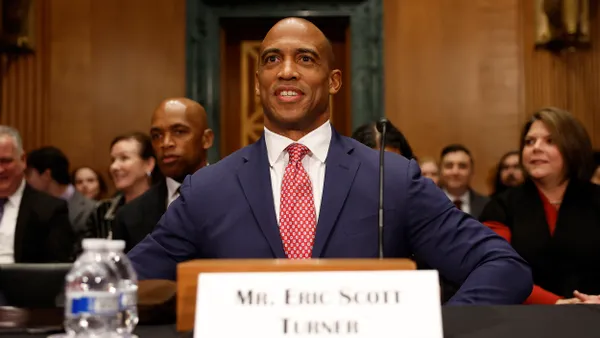
- An April analysis by President Donald Trump’s Council of Economic Advisers blamed “the bureaucrat tax” for adding more than $100,000 to the current cost of a new home. “Adding efficiency to local building processes will result in more affordable homeownership opportunities for all Americans,” HUD Secretary Scott Turner said in a press release.
Dive Insight:
Local government leaders have cited housing supply as a top concern for their municipalities, and affordable housing needs are on the rise.
Cities and counties across the nation are tinkering with local housing regulations in an effort to address the supply crunch, with many exploring zoning reforms, parking minimum mandates and building code updates that experts say can open a pathway to more development.
The Trump administration has yanked support for federal “housing-first” initiatives. HUD’s “best practices” report calls on local governments to adopt solutions to streamline construction approvals and also encourages by-right development for single-family homes, with an emphasis on middle-income levels.
The HUD report’s recommendations “encourage community and neighborhood choice,” however, and “do not address local density directives.”