Dive Brief:
- Transportation and Infrastructure Committee leaders on Sunday agreed to a five-year, $580 billion surface transportation bill that directs $65 billion to rail programs and $41 billion to discretionary grant programs.
- The bill authorizes a total of $87.6 billion from the mass transit account of the Highway Trust Fund over fiscal years 2027 to 2031, an increase from $69.8 billion allocated in the Infrastructure Investment and Jobs Act.
- Amtrak would receive grants of $10.4 billion over five years for operations on the Northeast Corridor and $20.7 billion for its national network. The legislation prohibits any federal grants, awards or financial assistance to the California high-speed rail project for two years while a working group determines whether the project can meet the requirements outlined in the 2008 voter-approved bond measure allocating funds for the California High-Speed Rail Authority.
Dive Insight:
The proposed legislation, crafted in the House Transportation and Infrastructure Committee, continues a series of multiyear surface transportation programs dating back to 1978.
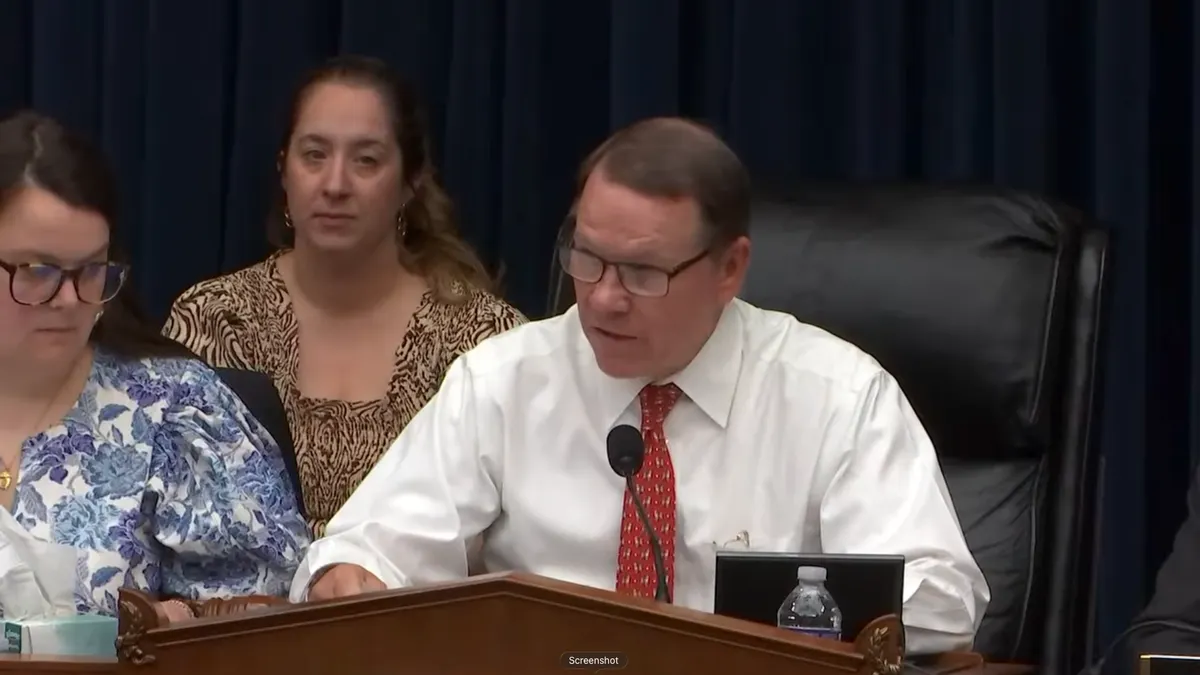
Committee Chairman Sam Graves, R-Mo., and the committee’s Ranking Member, Rep. Rick Larsen, D-Wash., said in a joint release Sunday that they plan to formally introduce the legislation soon. Their goal is to have Congress send a final bill to the president before the current surface transportation authorization expires on Sept. 30, 2026.
“This bill is not simply about honoring our past — it’s about moving forward and building upon the legacy of our nation’s infrastructure,” Graves said in a statement. “The bill also makes smart and targeted reforms to our surface transportation programs, focuses on strengthening our core infrastructure system, drives innovation, bolsters safety, ensures states have the flexibility they need, and cuts red tape to get projects built faster.”
To strengthen the Highway Trust Fund, the bill imposes an annual registration fee of $35 for hybrid vehicles and $130 for electric vehicles. Fees would increase by $5 each year starting in 2029, topping out at $50 for hybrids and $150 for EVs.
“While this bill does not include every priority, I am committed to building on the last bipartisan infrastructure law by creating good-paying transportation jobs, growing the economy and safely transporting people and goods across the country by road and rail,” Larsen said in a statement.
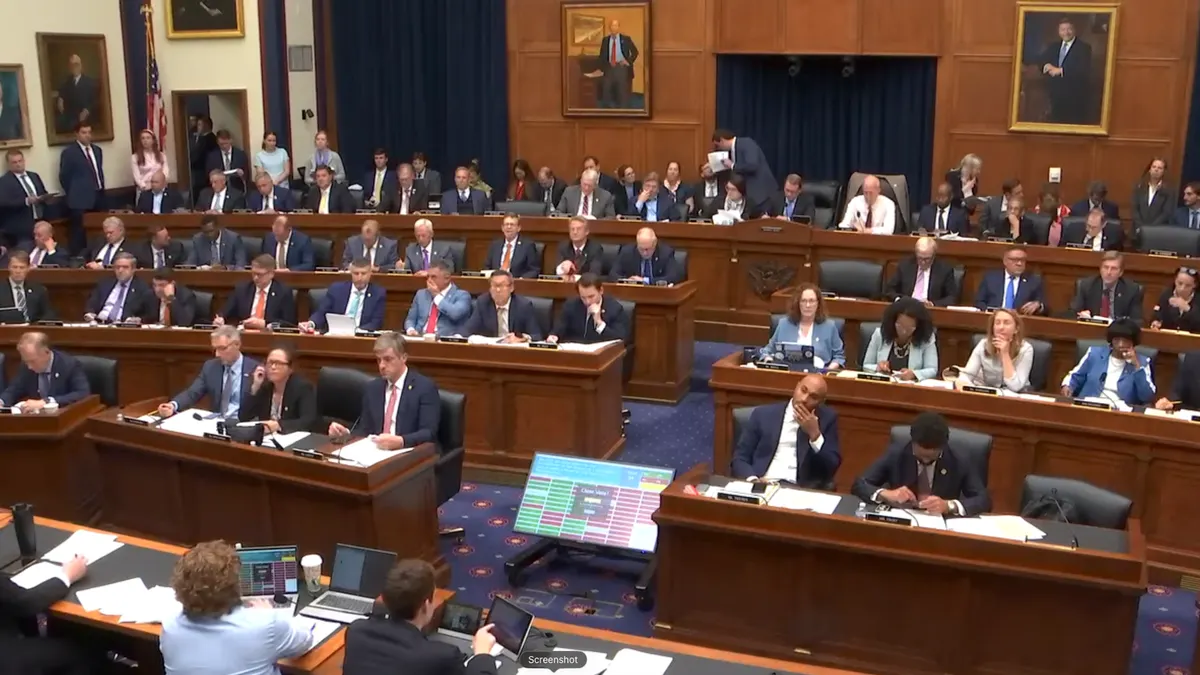
The committee leaders said they plan to set an upcoming date for the bill’s markup, which will allow members to suggest changes or amendments.