The 2026 World Cup will be the hottest in human history, Katharine Hayhoe, chief scientist at The Nature Conservancy, said during an extreme heat webinar Monday.
“We know from really good analyses done by the World Weather Attribution that a number of the host cities will face dangerous conditions during match time,” she said. The chances that the WetBulb Globe Temperature, which assesses physical heat stress on the body, could trigger mandatory water breaks for the athletes are very high, she said, and there’s “not a zero chance” that high temperatures could cause games to be halted.
For host cities, extreme heat is another layer that must be folded into event and crisis planning for the games, which start in 11 U.S. cities Thursday. But extreme heat is a potential public safety crisis in all urban areas, the panelists said.
“We have to be thinking differently about this, because we've been taking for granted … if we plan such-and-such an event, we can just look at the average conditions, and that's what it will be like,” Kayhoe said. “But our average conditions are changing, and when it comes to heat risk, changing faster and faster.”
Cities should be focusing on the following factors, the experts said.
Most stadiums aren’t built for heat.
More than half of all major sports venues in the U.S. are in areas projected to experience dangerous heat days with temperatures above 95 degrees Fahrenheit within the next 25 years, Kayhoe said. Only a handful of World Cup stadiums are climate-controlled.
Stadium operators need to start making smart design choices, the panelists said. In World Cup host city Dallas, for example, a roof was added to the baseball stadium more than a decade ago so the venue could be air-conditioned, Kayhoe said.
Jennifer Vanos, associate professor at the Arizona State University School of Sustainability, said stadiums can be designed or retrofitted to allow more airflow and provide more shade. Some stadiums blow air conditioning directly onto players on the field, she said.
The good news, she said, is that major events like the World Cup often result in funding “to create legacies from the event, to add in beautiful shade structures, to plant more trees, to add in vegetation for the event,” she added.
Host cities need to plan for wildfire smoke.
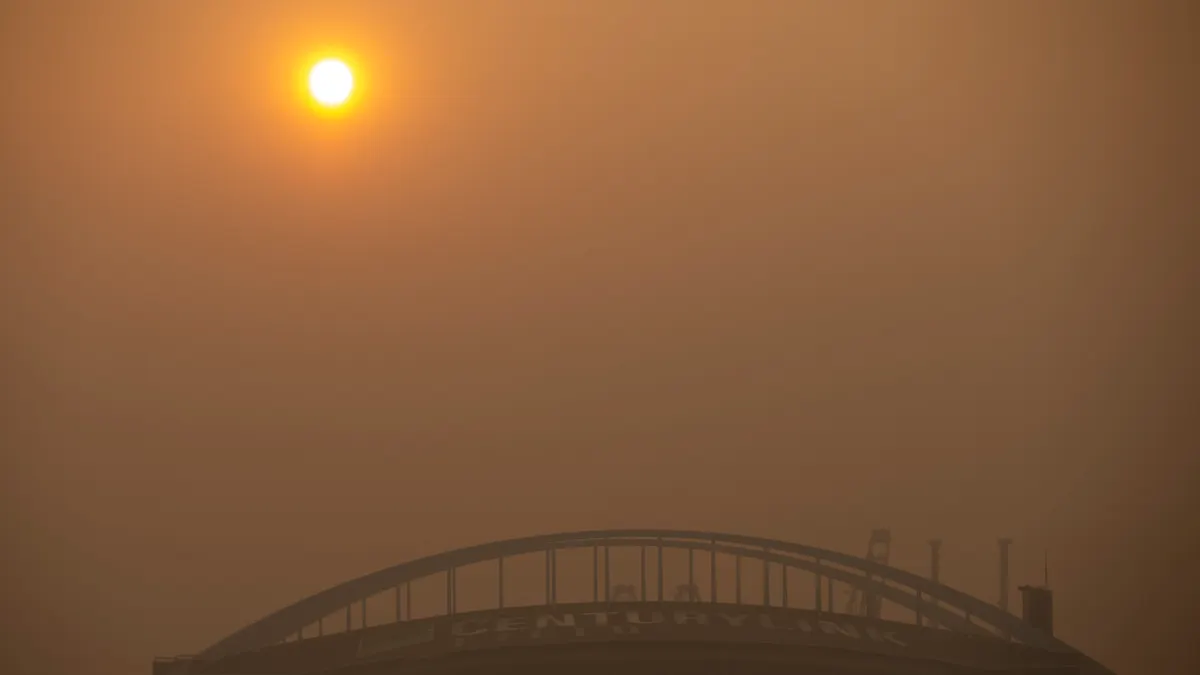
Beyond heat, city leaders need to consider wildfire smoke, a risk that has received almost no formal attention, the panelists said. Wildfire risk across the Western U.S. is “unprecedented” this summer following record-low snow packs and early snowmelt, Kayhoe said.
There are no guidelines in place for working with the air quality index and no contingency plans for wildfire smoke settling into host cities in wildfire-prone areas, such as Seattle, Vancouver and Toronto, Vanos said.
Particulates from wildfire smoke “have a big impact on human health,” Kayhoe said. The danger is compounded when heat and smoke combine, and people with pre-existing cardiovascular or respiratory illness are at higher risk of serious outcomes, Vanos added. For athletes, playing in elevated smoke conditions is simply not healthy, she said.
Trees and urban greening are a cost-effective heat defense.
Because fans walking city streets are just as heat-exposed as the players on the field and spectators in the stands, the areas surrounding stadiums matter as much as the venues themselves, the panelists said.
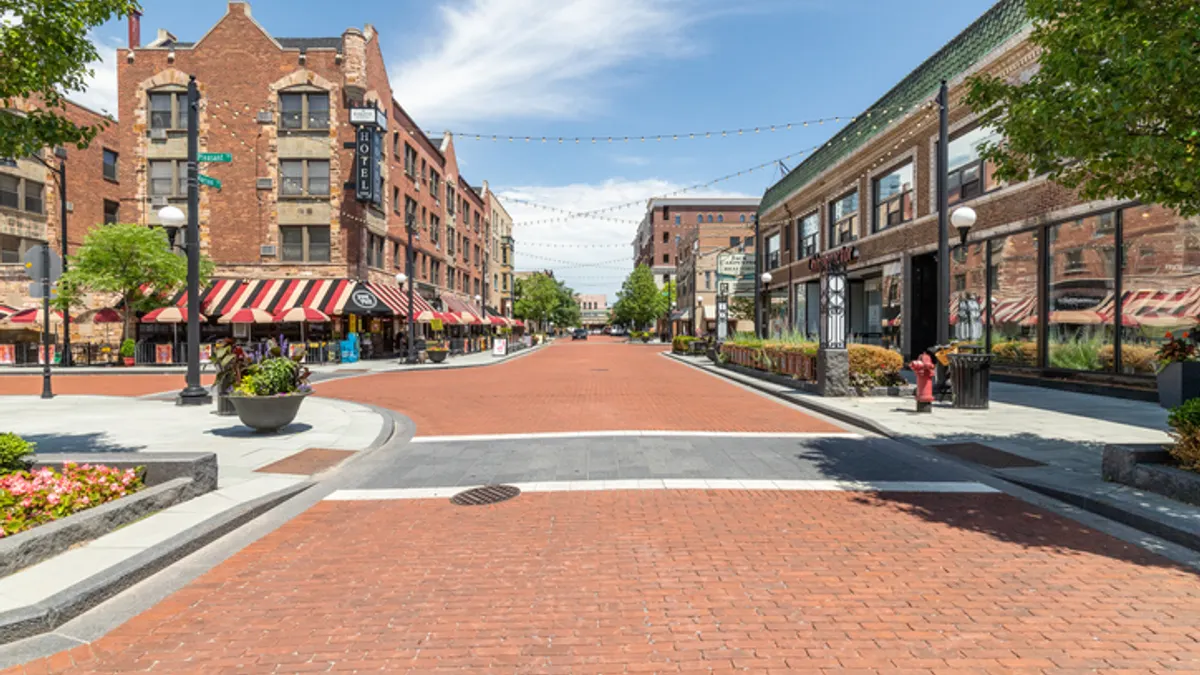
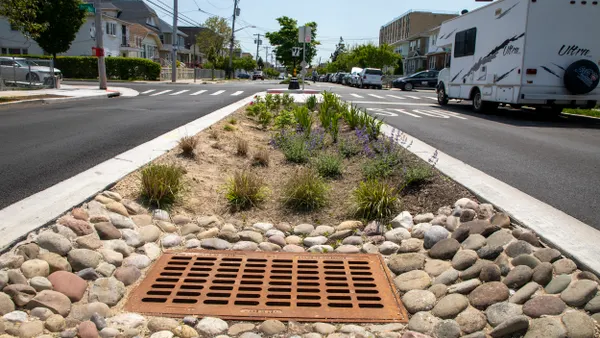
Trees already mitigate roughly half of the urban heat island effect by preventing surfaces from absorbing solar energy and transpiring water to cool the surrounding air, said Rob McDonald, The Nature Conservancy’s lead scientist for nature-based solutions. “Clearly, no one's talking about trees in the stadiums protecting these World Cup players,” he said, but they are crucial to the comfort and safety of urban residents and visitors.
New York City’s MillionTreesNYC initiative is an excellent example of a local government prioritizing trees, McDonald said, and Toronto is seeing results from combining efforts among its health department and tree-planting effort.
“The cities I worry more about are smaller cities, less resourced cities,” he said. “In the U.S., we spend less per capita now on tree planting than we did in the 1980s, so it's actually moved down the list of priorities for many cities, despite there being more and more evidence that it's really important for regulating the environment in cities, the temperature in cities.”
Planning for elite athletes needs to trickle down.
In the U.S., heat-protection policies for athletes — particularly student athletes — are “pretty lax,” Vanos said. “This is important to understand,” she added.
The World Cup is both a test case and a teachable moment, Vanos said. “If we're not providing the best heat protections possible for some of the most elite athletes on the earth, with the most resources available, how are we going to continue to protect youth sports in a changing climate?” she said. “How are we going to be using science-backed guidance to protect high school and younger players that don't have the resources that elite athletes have?”