

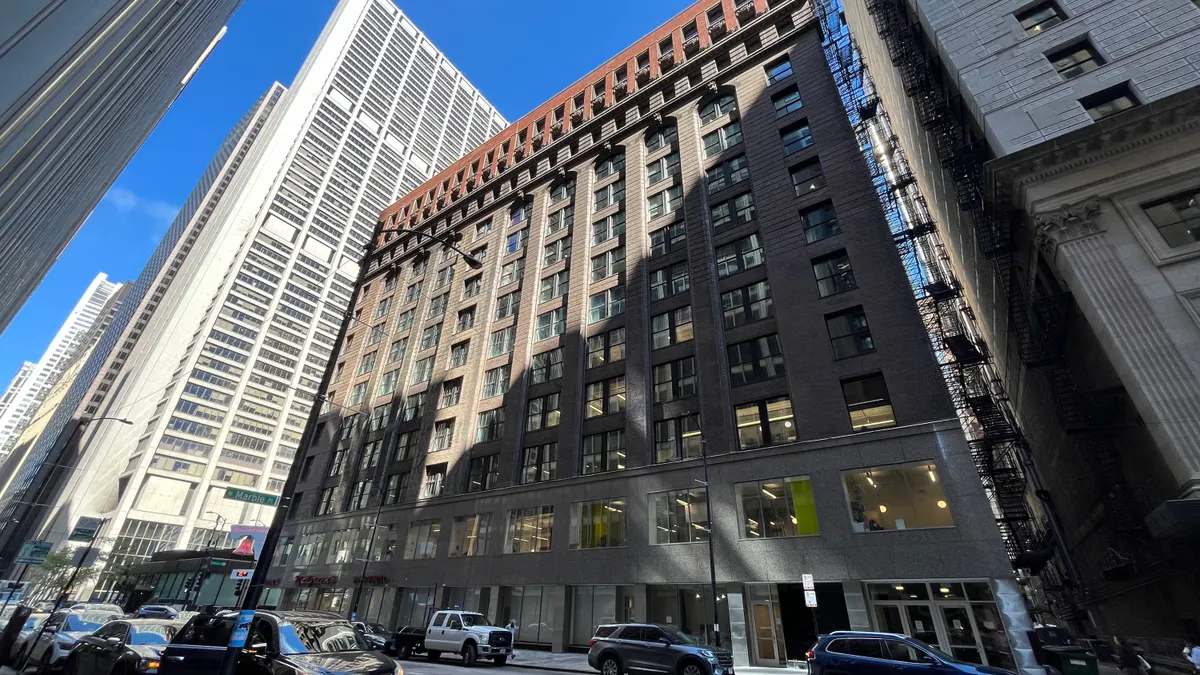
City leaders gathered in the heart of downtown Chicago earlier this month to mark a milestone: the first completed office-to-housing conversion project in the central business district known as the Loop.
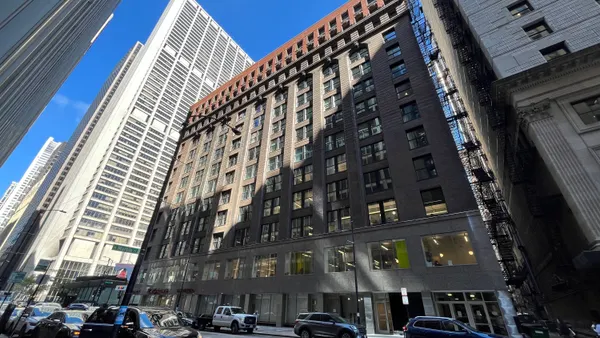
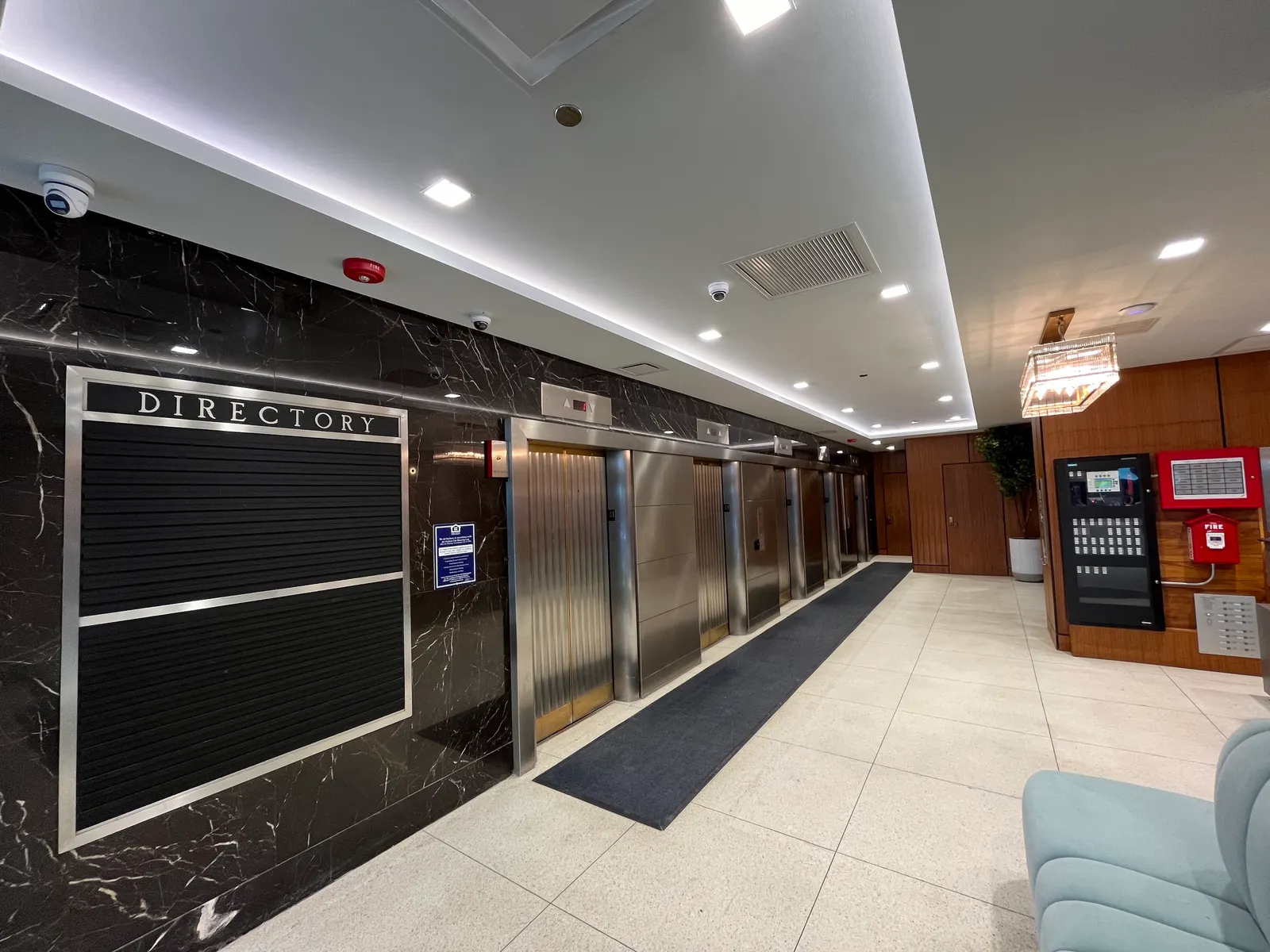
Using $28 million in tax increment financing from the city and a historic landmark designation that opened up $7.8 million in federal tax credits, the developers of the 14-story Rector building turned 11 floors of unused office space into 117 residential units, 41 of them earmarked for households earning an average of 60% of the area median income.
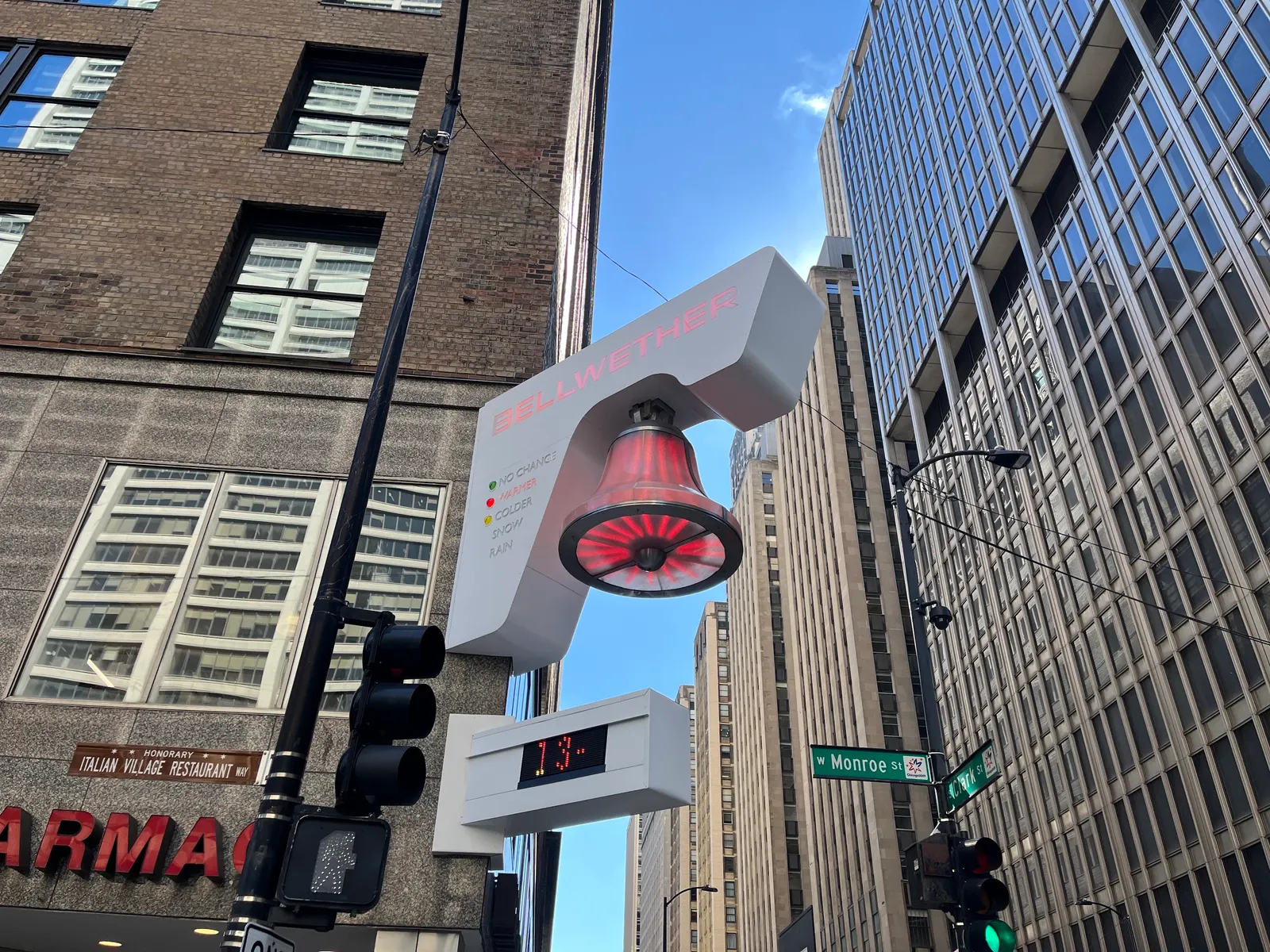
Now known as the Bellwether, the 121-year-old building is the first of six office conversion projects the city’s Department of Planning Development is eyeing under the LaSalle Street Reimagined initiative to turn unused office space into 1,765 mixed-income housing units.
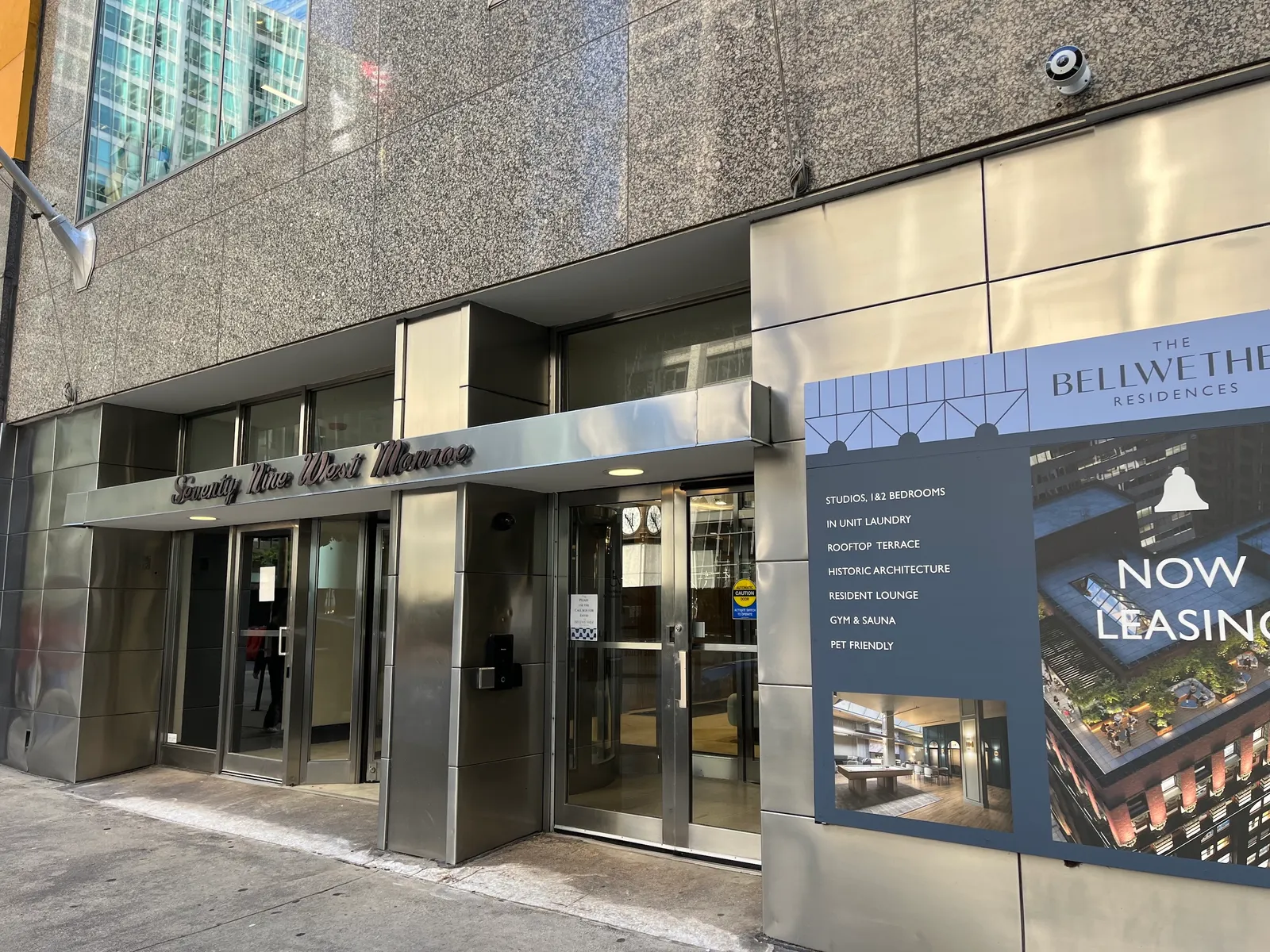
“The Bellwether is the vanguard for downtown office conversions that are reimagining what it means … to live, work, and play in the heart of Chicago,” DPD Commissioner Ciere Boatright said in a news release.
The initiative comes amid affordable housing shortages and record-high office vacancies downtown.
As working habits change post-pandemic, adaptive reuse projects for office buildings are having a moment in major cities across the country. New York City and Washington, D.C., are leading the way, and Chicago’s efforts rank third, according to RentCafe.
Outside of city-backed initiatives, Chicago has almost two-dozen private conversions of office buildings in the pipeline that are expected to create nearly 4,000 new residential units.
The completion of the Bellwether “demonstrates what is possible when we look at Chicago’s historic downtown assets with fresh eyes and invest in their next chapter,” Gary Stoltz, a partner with developer R2, said in a statement. “This project reflects our belief that the Loop’s future will be defined by a dynamic mix of people who live, work and spend time here.”