

Dive Brief:
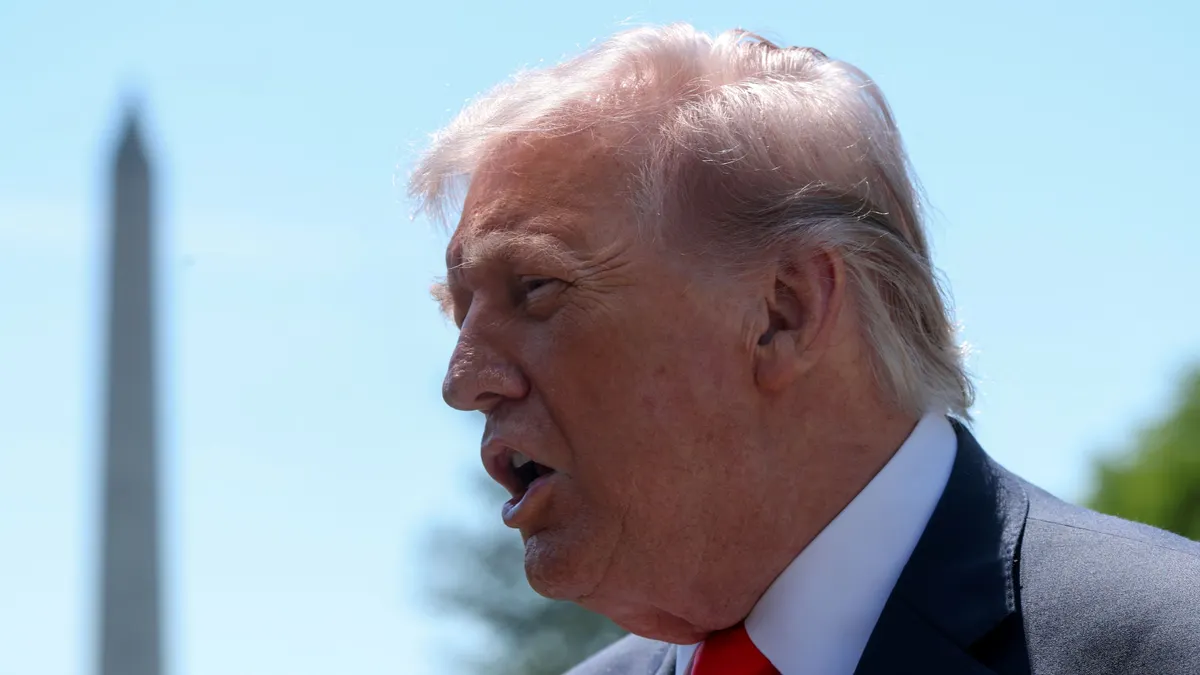
- President Donald Trump said today that he will not sign major housing legislation until Congress approves his bill to put new restrictions on voting. The U.S. House of Representatives passed the 21st Century Road to Housing Act Tuesday following the Senate’s earlier approval.
- The bipartisan housing bill bolsters existing federal assistance such as Community Development Block Grants and the HOME Investment Partnership Program, unlocks new financing tools and eases certain regulatory burdens for localities, municipal groups say.
- The housing legislation comes amid subdued national housing activity as local government leaders call housing affordability the most pressing concern for their communities.
Dive Insight:
Trump, who previously has called for increased housing production, was largely expected to sign the bill before this morning’s political maneuver. Today he said on social media the bill was “of minor importance” compared with lower interest rates and other national issues such as the SAVE America Act. That bill would add new proof of citizenship requirements for voters in the U.S. and mandate a photo ID to cast a ballot. Republicans in Congress consider the voting legislation a longshot, NBC News reported.
The Road to Housing legislation is the largest housing package to make its way through Congress in more than 35 years, Senate bill co-sponsor Elizabeth Warren, D-Mass., said Monday. Warren is the ranking member of the Senate Banking, Housing and Urban Affairs Committee.
The bill, nearly a year in the making, has been championed by municipal groups as a much-needed key to unlock more housing at the local level.
“It will provide dozens of new resources, incentives and federal regulatory relief to spur the development of more attainable housing,” National League of Cities President Kevin Kramer said in a statement, lauding the bill’s passage in Congress. Kramer is a Louisville, Kentucky, City Council member.
The expansive legislation addresses the housing crisis from multiple angles, creating federal guidelines for states and localities on zoning reforms and providing federal incentives for localities that successfully build more housing. It also offers new and streamlined federal funds for local governments to convert abandoned buildings into housing.
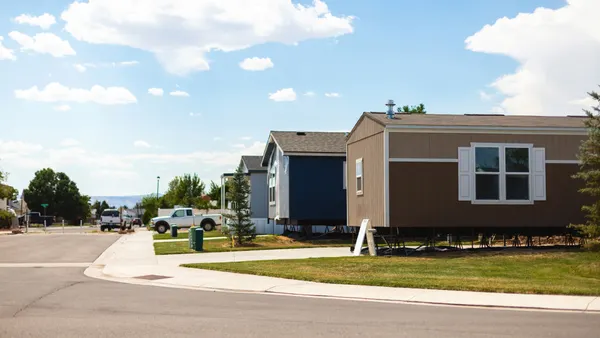
The bill cuts certain requirements for manufactured homes, a move expected to lower their cost, and caps the number of houses a private investor can own.
"Housing is built locally, but it requires buy-in from all levels of government," Matthew Chase, executive director of the National Association of Counties, said in a news release. "This legislation is what an effective intergovernmental partnership looks like: Washington providing the tools and flexibility, and counties putting them to work where families actually live.”
U.S. Conference of Mayors President and San Diego Mayor Todd Gloria called the bill the “most significant step Congress has taken in decades to confront our housing affordability crisis.”
“America’s mayors applaud this landmark legislation because we know the solution is clear: we need more homes, and we need them now,” Gloria said in a statement.
The municipal groups urged Trump to sign the bill.