Federal support for climate and resilience efforts has shriveled under the Trump administration, and lawmakers in states such as Texas and Florida are restricting local efforts to adapt to climate change. But there’s still plenty local leaders can do by focusing on what they can control, framing climate in terms of issues residents already care about and embedding resilience into every decision their cities make, the mayors of Boise, Idaho; Cleveland and Miami said during a webinar presented by Grist and Climate Mayors on Monday.
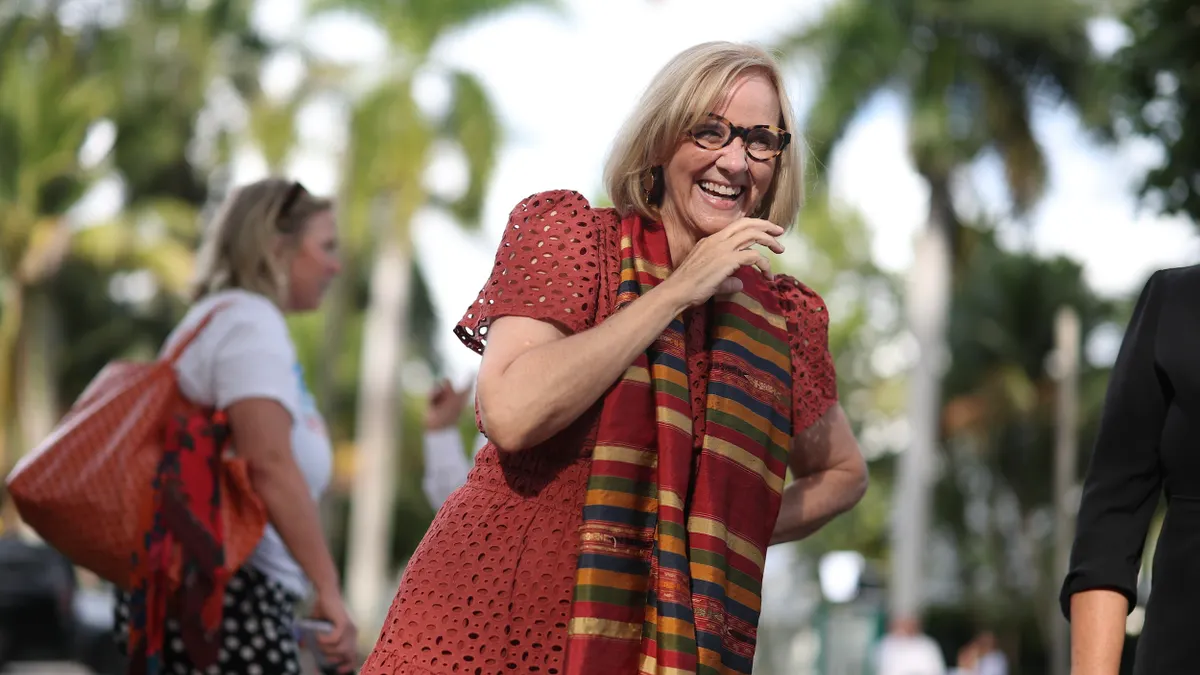
“We wish we had partners, both at the federal level and — in my case — at the state level that really worked to help protect our communities from the ravages of climate change, whether it’s extreme heat or flooding or stronger storms,” said Miami Mayor Eileen Higgins. “We need all hands on deck. But local governments, we’re on deck. We’re standing at the ready.”
“We’re making real investments, and we’re changing people’s lives, and that’s the work that’s happening city by city right now,” Cleveland Mayor Justin Bibb said. “Mayors are leading in this moment to really address climate change and advance our goals.”
Here are seven ways these mayors are making climate and resilience a grassroots priority.
Integrate climate goals into every municipal decision
Boise takes a “no-stones-unturned approach” to climate, embedding it into every endeavor the city undertakes — from an effort to double the tree canopy to promoting water renewal and infrastructure bonds, Boise Mayor Lauren McLean said.
In 2021, 81% of Boise voters approved a $570 million “clean water and climate action bond,” McLean said, and last year just over 80% said yes to an $11 million levy to fund parks, open space, clean water initiative and wildfire restoration projects. In addition, the city is building all-electric police and fire stations and electrifying older municipal buildings, she said.
“We’re just asking ourselves, how can we do it better to meet our goals, and then at the same time asking the public how they would like to help, because it’s been very clear, at least from Boiseans, that they expect leadership,” McLean said.
Use energy efficiency as a funding strategy
Procurement and facilities modernization is an untapped asset for furthering climate goals, Bibb said.
In Cleveland, five police stations that haven’t been upgraded since the 1960s and 1970s were overhauled to be more efficient and use renewable energy sources, and the money saved on energy is being reinvested “so that every community in our city has a high-quality, safe, well-maintained, well-lit police station in their neighborhoods,” Bibb said.
Higgins said that while Bibb “is spending all his money on heating, I’m spending all my money on air conditioning in Florida.” Miami is replacing 60-year-old city administration and public safety buildings with LEED Gold-certified facilities, Higgins said. “You’ve cut energy use, you save the residents money,” she said.
Invest in water reuse systems and green infrastructure
Boise is extending its sewer systems through a water-renewal system, and residents are enthusiastic about creating a water-recycling plan that would clean and reuse water used for industrial manufacturing “so that we’re keeping our drinking water for drinking,” McLean said.
In Miami, where flooding can occur from ocean storm surges, heavy rainfall and channelized rivers — and some residents live in neighborhoods just 3 to 5 feet above sea level — managing drainage and stormwater are essential responsibilities, Higgins said. The city has developed a stormwater master plan drawing on a mix of city funds and state and federal grants to build drainage infrastructure and pump stations, redesign parks to function as water retention and bioswale systems, and rebuild seawalls, she said.
“We’ve modernized all of our seawall standards to allow 3D-printed living seawalls that use biomimicry to look the same as the ocean,” Higgins said. That attracts and retains marine life, which keeps the water oxygenated, she said, “and, of course, protects us from rising seas.”
Reform zoning and building codes
Miami updated its codes to promote more permeable pavement and is working on codes that will allow for accessory dwelling units, duplexes or two small detached homes to be built on “smallish lots” while reducing parking requirements, Higgins said. Residents can now get same-day permits to replace windows for hurricane protection and energy savings, she added.
Boise overhauled its zoning code in 2023, McLean said. “It’s a market-based road map to ensure that more homes are built closer to jobs,” she said.
Connect climate to everyday concerns
In Miami, Higgins has reframed the conversation from emphasizing climate change to focusing on flooding — a real concern for every resident. Voters passed a $400 million Forever Bond focused on resilience efforts after city officials laid out how flooding would affect Miami, “neighborhood by neighborhood,” she said.
“I’ve always talked about climate in terms of its impact on people,” McLean said. “So, we plant trees to cool neighborhoods, to get people outside, but that'll also make your cooling bills more affordable in the hot summer. We're electrifying our buildings because we have a source of clean electricity that, in the long run, will be more affordable.”
Link housing, transportation and climate
Housing and transportation are residents’ top two costs, and Miami residents are spending close to 60% of their income on both, Higgins said. Her administration has built 4,000 affordable and workforce housing units near transit, with another 3,000 in the pipeline, she said.
“Transit-oriented housing is a climate solution,” Higgins said.
McLean said she’s limited in her ability to address transportation in Boise without support from the state legislature, but she can influence development of pedestrian infrastructure and bike paths so people have car-free alternatives. Boise is 75% of the way toward McLean’s goal of ensuring every child can walk to a park within 10 minutes, she said.
Protect the most vulnerable residents
Protecting unhoused residents is a climate issue, Bibb said, because they are the most affected by extreme weather and climate-related events. “They’re the first to have nowhere to go” during extreme flooding, extreme heat, tornadoes and hurricanes, he said.
Cleveland has housed 200 people and closed 50 homeless encampments in the past two years, he said. “We still have some work to do, but this is how you connect the work of housing affordability and climate,” he said.