Parks are essential green infrastructure, Tim Beatley, founder and executive director of the Biophilic Cities Network, said during a webinar on innovative parks last week. They help cities address climate change by providing shade and cooling. They provide habitat for birds and other biodiversity. And they serve as social infrastructure for residents. Parks and other green spaces are entering into a golden era of design, he said.
“There’s so much creative work, so many new ideas about parks out there,” Beatley said. Webinar panelists outlined the benefits urban park projects are bringing to their cities. Here are five takeaways.
Try new governance and funding models.
Innovative governance and funding models make ambitious parks possible, the panelists said.
The Presidio, a national park on a former Army base at the foot of San Francisco’s Golden Gate Bridge, is an early example of a self-sustaining funding model that doesn’t rely on city budgets. Four years after the site became a national park in 1994, the Presidio Trust was created to generate revenue that would help pay for long-deferred maintenance on the park’s historic buildings, said Lewis Stringer, Presidio Trust’s associate director of natural resources. The trust initially used federal appropriations to restore the buildings, and now rental income from them supports the park. In 2024, that rent generated $182 million in revenue, Stringer said.
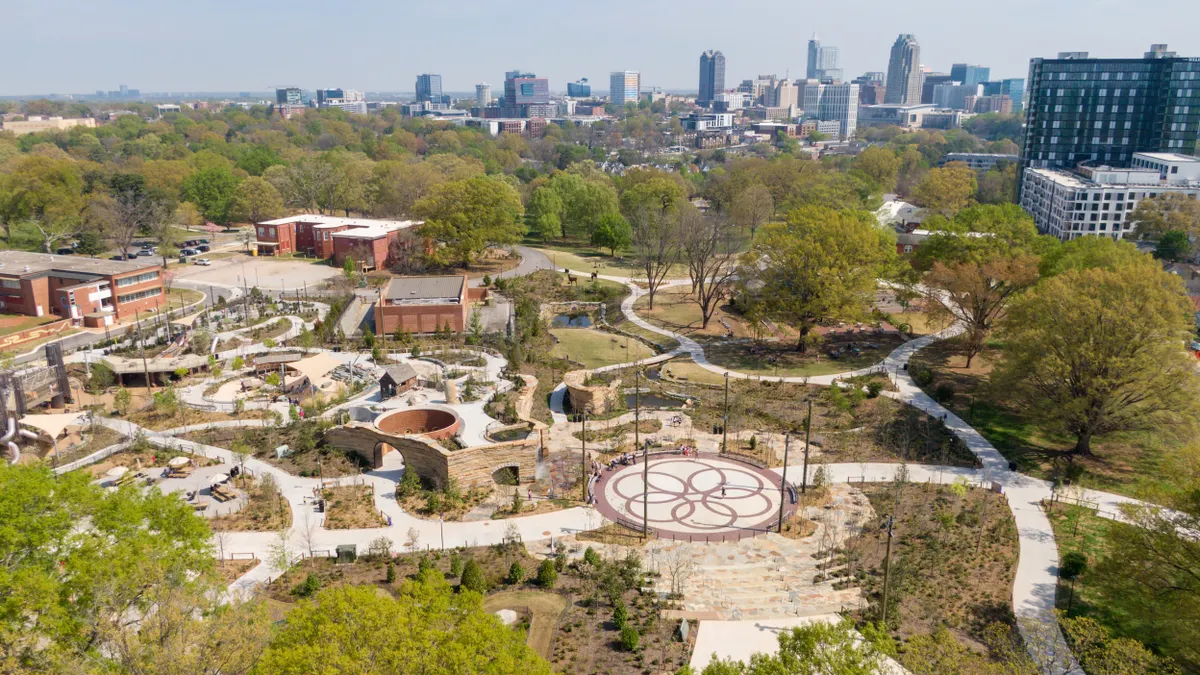
Raleigh, North Carolina’s Dix Park is being developed through a public-private partnership on 308 acres near downtown. The city owns and operates the park, and the nonprofit Dix Park Conservancy raises funds to support it financially, said Kate Pearce, the conservancy’s president and CEO. The conservancy raised a third of the $70 million needed to create a play plaza, which opened last June with more than 110,000 new plants, she said. The remaining funding came from a city bond for parks and a lead gift from private donors, according to the project website.
Build in climate resiliency and flood infrastructure from the beginning.
Modern parks are being designed to do serious environmental work, the panelists said.
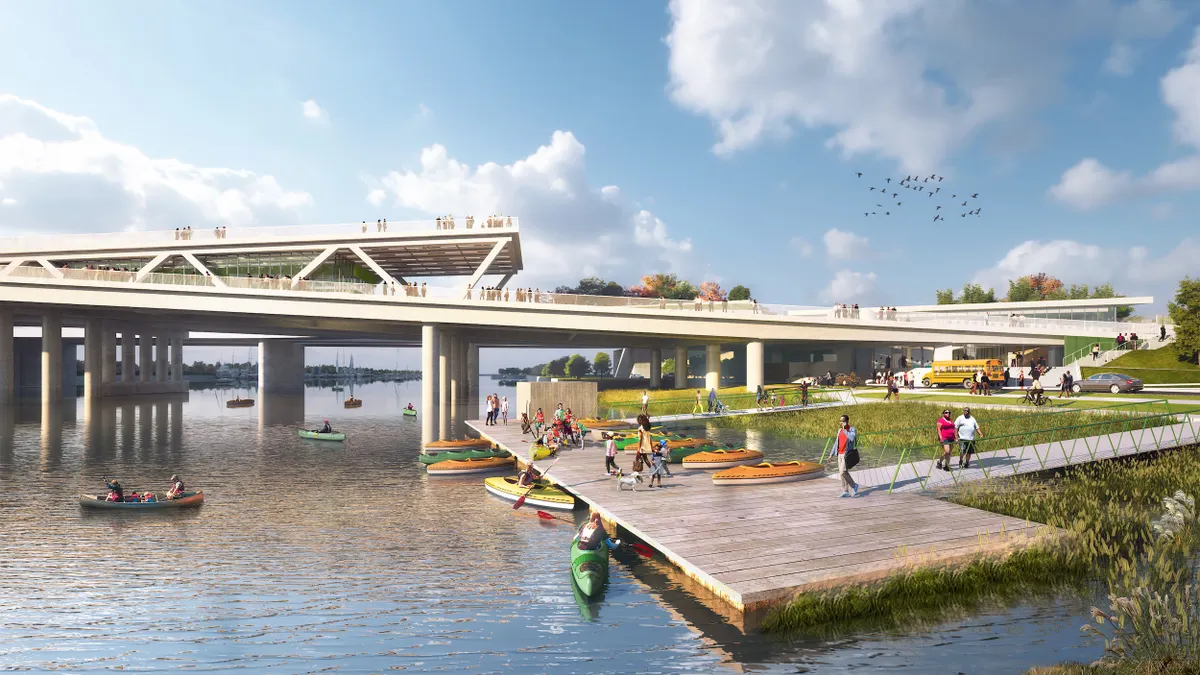
Toronto’s Biidaasige Park, billed as a celebration of “waterway restoration and reconciliation,” is the result of a $1.35 billion project to renaturalize the Don River and protect downtown Toronto from flooding, said Shannon Baker, project director, parks and public realm for the Port Lands Flood Protection project at Waterfront Toronto. “The project itself was a flood-protection project” that created a new river valley and a new island where the park is located, she said. “So, the park is part of a larger revitalization effort that impacts this whole area.”
The play plaza at Raleigh’s Dix Park doubles as a stormwater management system that captures and recirculates water for irrigation, Pearce said. The city is also planning to restore a mile and a half of creek frontage that will deliver downstream flood benefits, she added.
Make equity and access central to the design process.
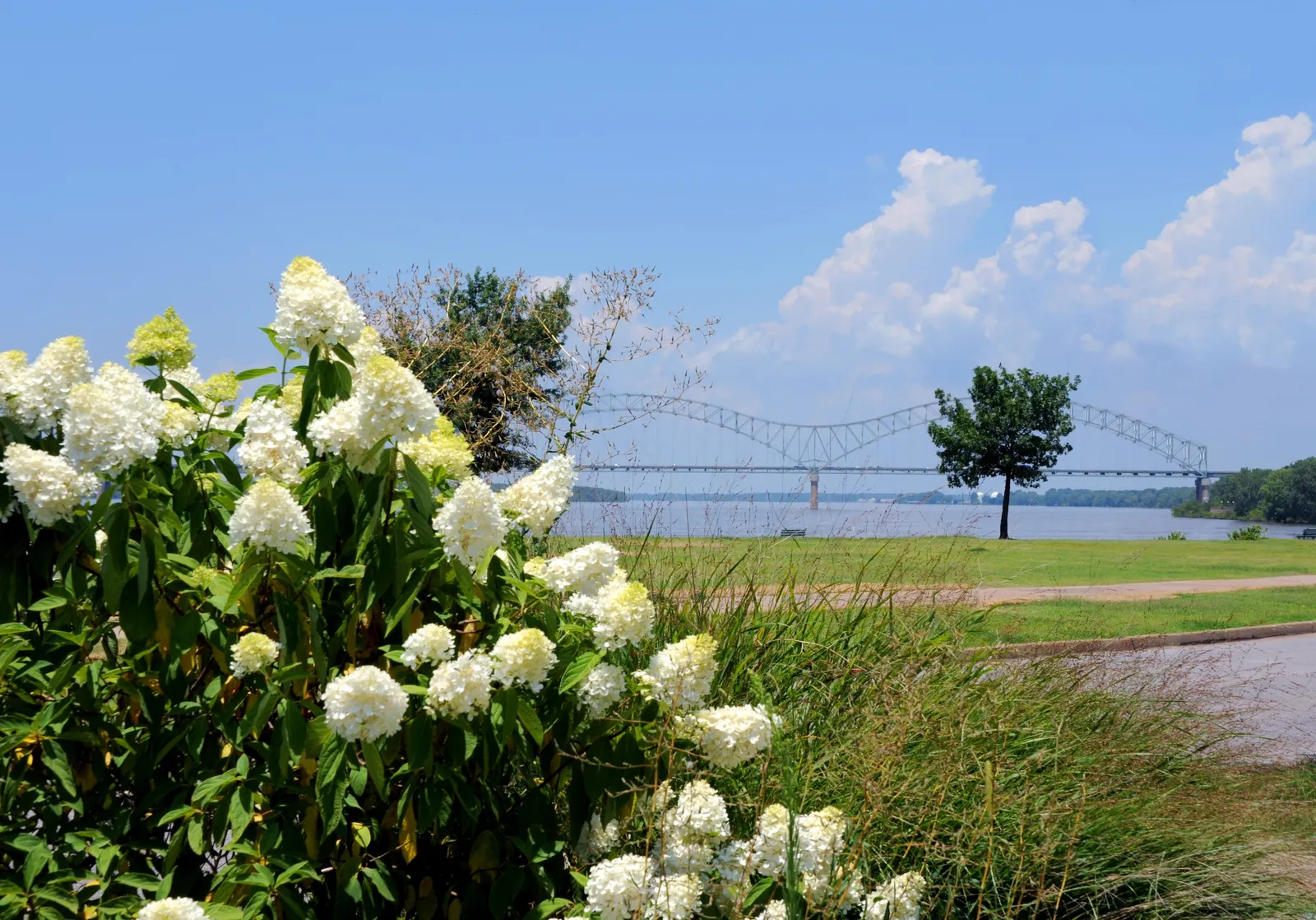
Tom Lee Park in Memphis, Tennessee — which intersects with Tennessee’s 10 poorest ZIP codes — represents “a key moment within the larger Memphis River Parks portfolio as an opportunity to really invest back in downtown Memphis,” said Danny Rose, an associate at SCAPE Landscape Architecture who was on the park’s design team. Stretching for 6 miles along the Mississippi River in downtown Memphis, the park provides the first path accessible per the Americans with Disabilities Act connecting downtown to the riverfront, democratizing access to the river for underserved communities, Rose said.
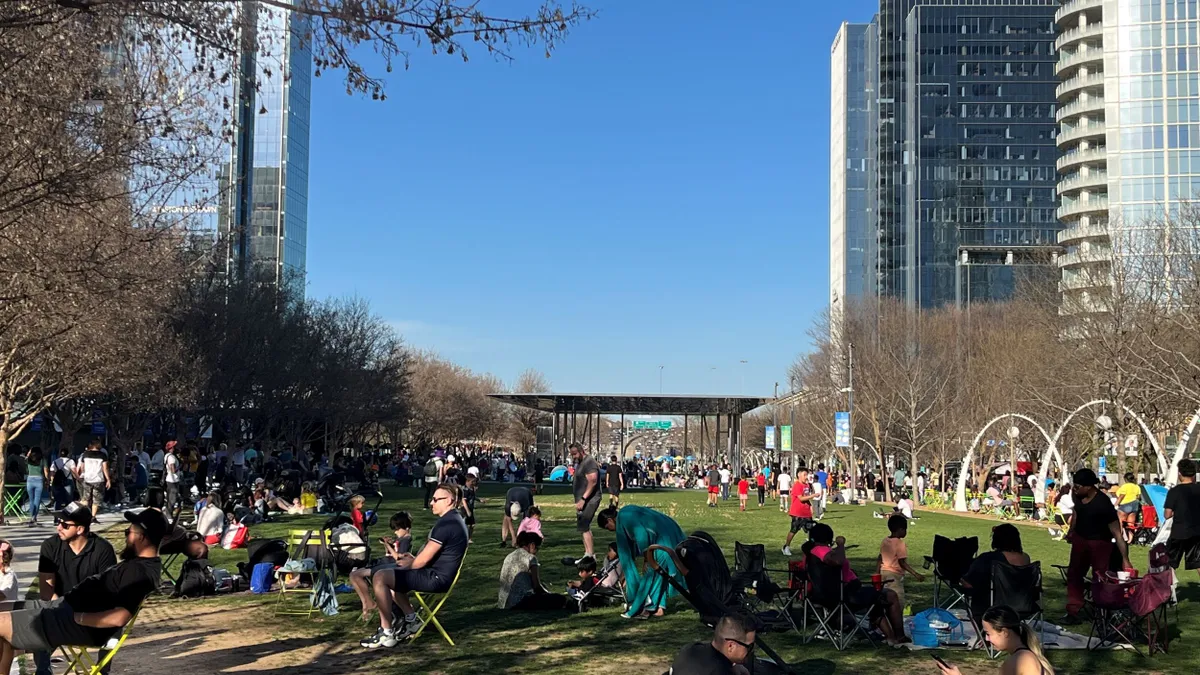
In Raleigh, Dix Park has become “a vacation in the city” for residents who don’t have the resources to travel, Pearce said. On Saturday nights, the park is “the most diverse space in the entire community,” she said. Park officials encourage access to everyone with low- and no-cost transportation, access and parking. This impacts revenue, she said, but it’s “important to maintaining accessibility in the space.”
The Dix Park site had in its past been a plantation, Civil War encampments and a mental hospital, Pearce said. “The site itself was a place you weren’t supposed to go. It had barbed wire around it.” The challenge has been “how do you break down both the physical and psychological barriers to this being now a park, a place people are welcome, a place people want to go,” she said.
Use community input to shape park projects.
Allowing residents to help define projects early and to continue providing operational input is key to parks’ legitimacy and long-term support, the panelists said.
Memphis leaders and the public-private Memphis River Parks Partnership solicited input from more than 4,000 local community members and held numerous workshops throughout Memphis when planning Tom Lee Park, Rose said. “The park really promotes not only individual physical well-being but also social and emotional and community connection,” he said.
More than 65,000 residents participated in creating the master plan for Dix Park, input that was key to “making sure that everyone feels like they belong, they have a place in the future of Dix Park,” Pearce said.
The communications team for Biidaasige Park, which is being built in a former industrial area in Toronto, has worked hard to engage residents throughout the construction process, Baker said. Their efforts included a Twitter (now X) campaign featuring Rocky the Rock Ripper, the giant excavator used to dig out the river. Waterfront Toronto is now soliciting feedback from potential residents on how to shape the new neighborhood being built around the park, she said.
Programming matters as much as design.
Dix Park’s community-driven programming about the site’s natural and cultural history draws residents with “a paid experience that’s free,” Pearce said. “We’ve been very intentional in our programming strategy to be the facilitator but to let community groups organize, and then we just support with logistics.”
In Memphis, the Tom Lee Park developers have created a curriculum for local youth to explore the Mississippi River, learn how to identify plants, observe pollinators and explore how the environment impacts their communities’ health and well-being. Rose said the park is being used as “a tool to teach Memphis’s youth.”
The Presidio Activator Council was created to invite all San Franciscans — not just those who live near the park — to help develop programming with wide appeal, Singer said. The programming serves “to invite people and their families to participate in this place and to feel like they can have celebrations and they can actually have events that happen here,” he said. “And that's been really successful in terms of making it clear to people that they are represented in this place and this place can be theirs.”